We came to Duisburg during the school holidays, choosing this moment deliberately so our children could spend unhurried days with our close friends from Kharkiv. Life scattered us across Europe because of the war, but it also taught us to value every opportunity to simply be together. Duisburg did not try to impress us at first glance — and maybe that is exactly why it stayed with us.
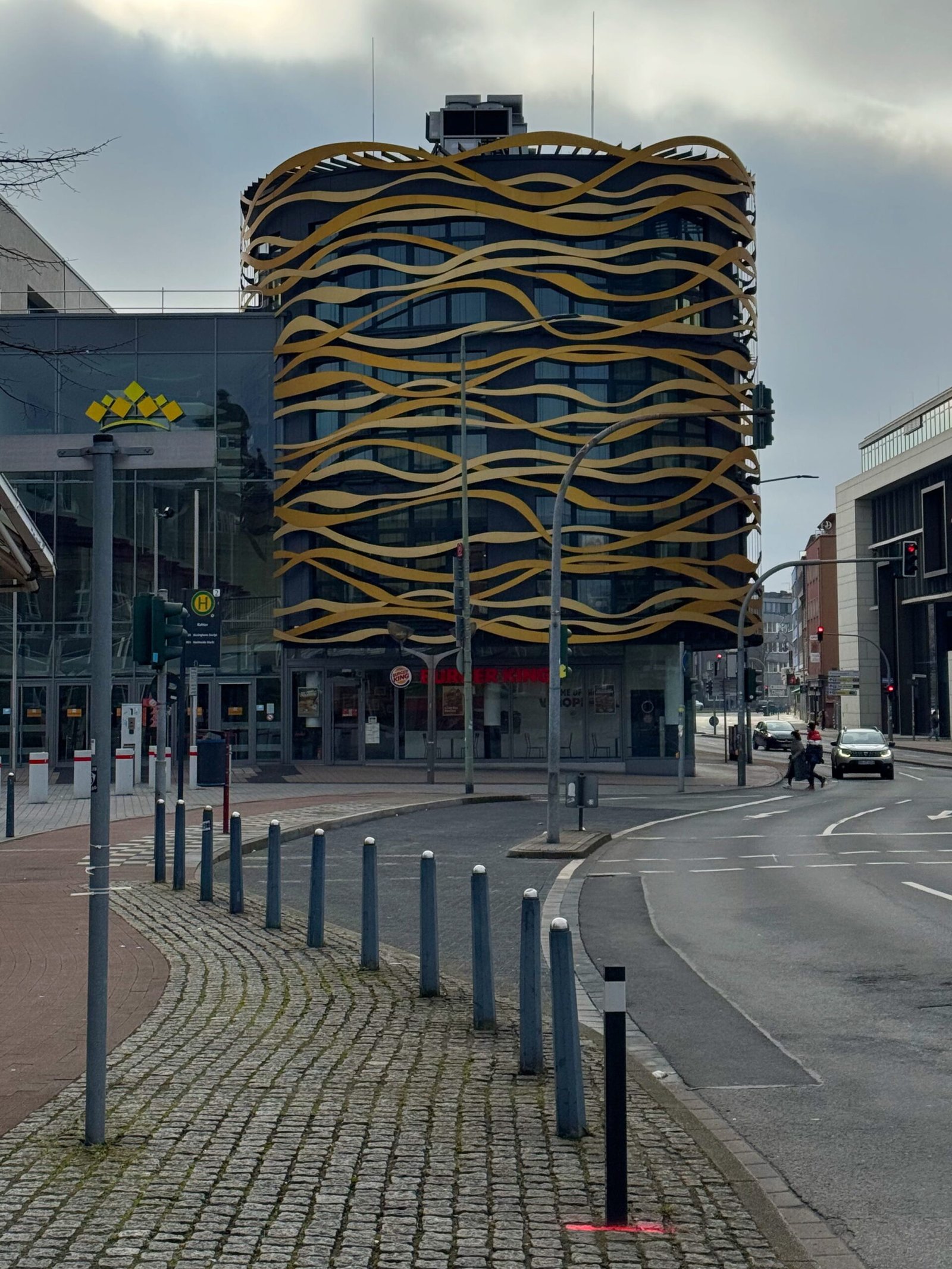
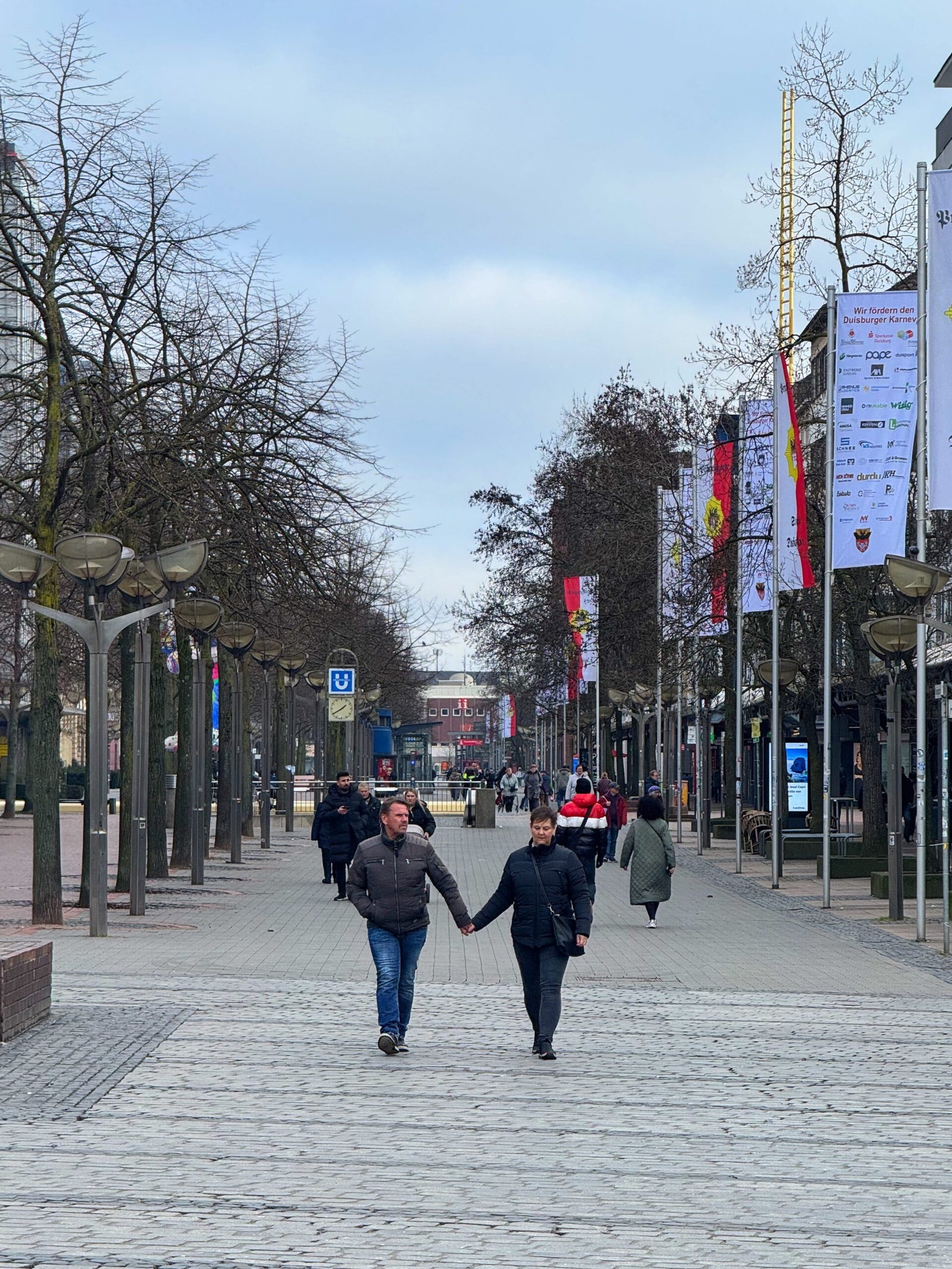
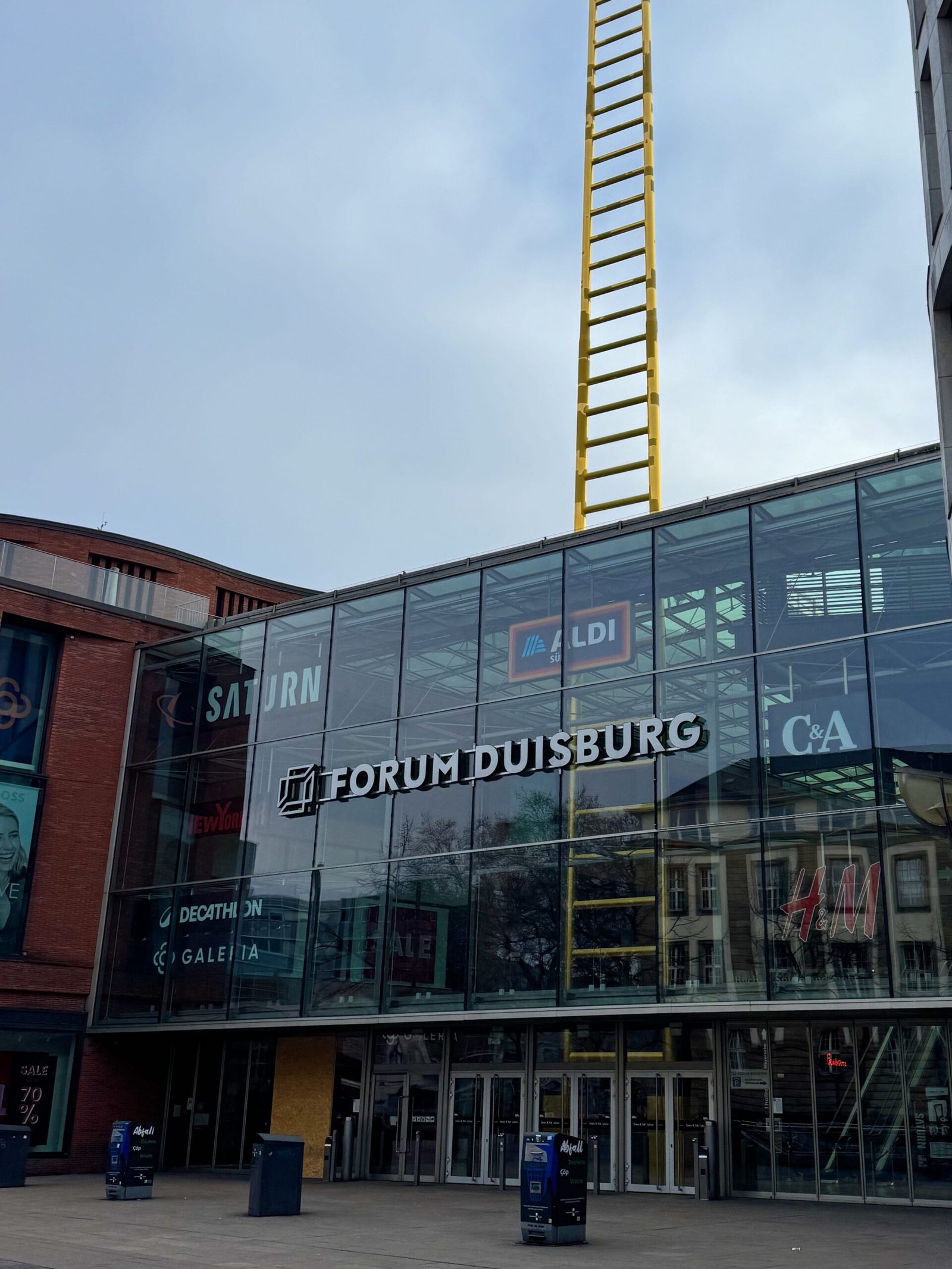
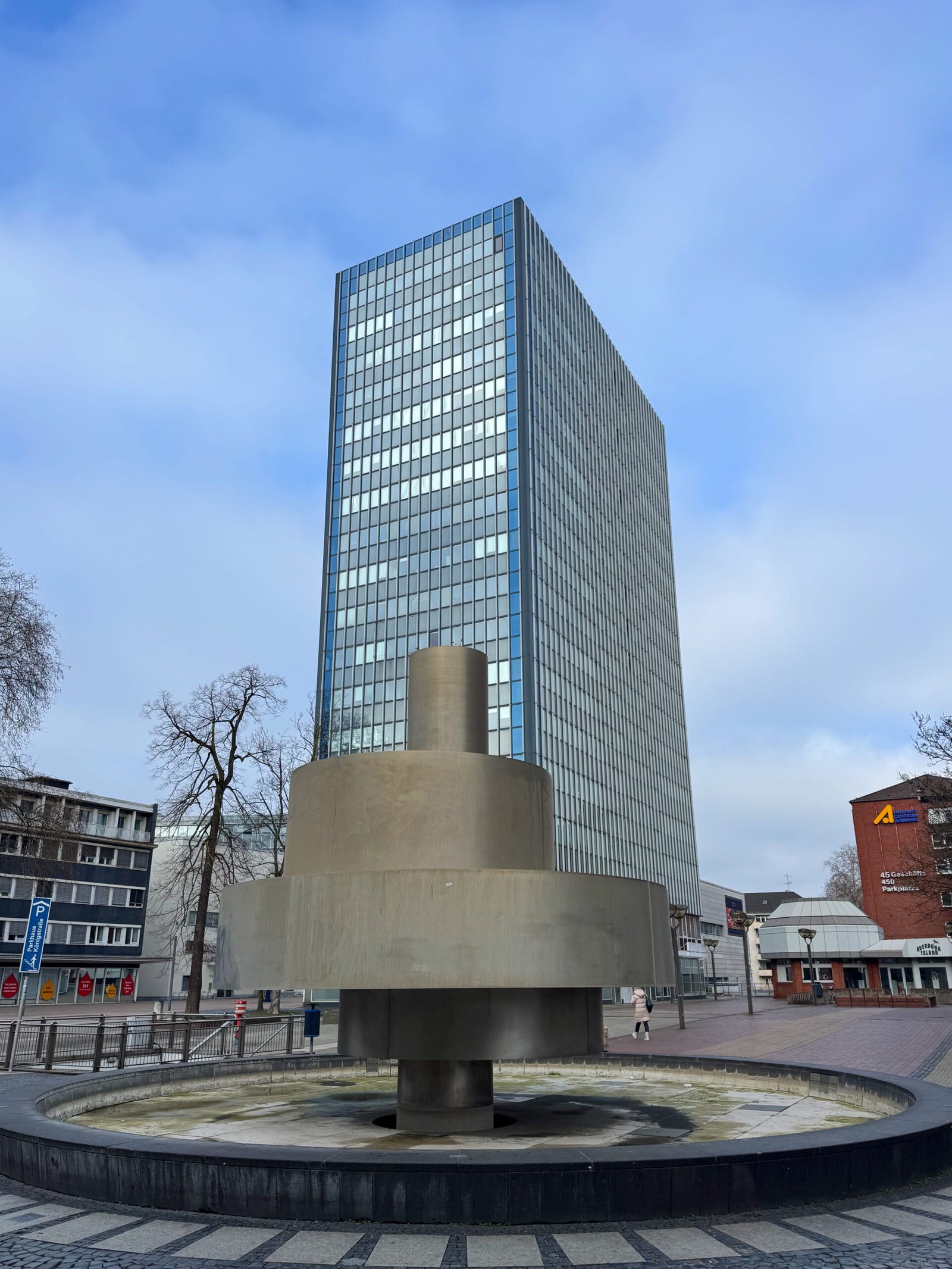
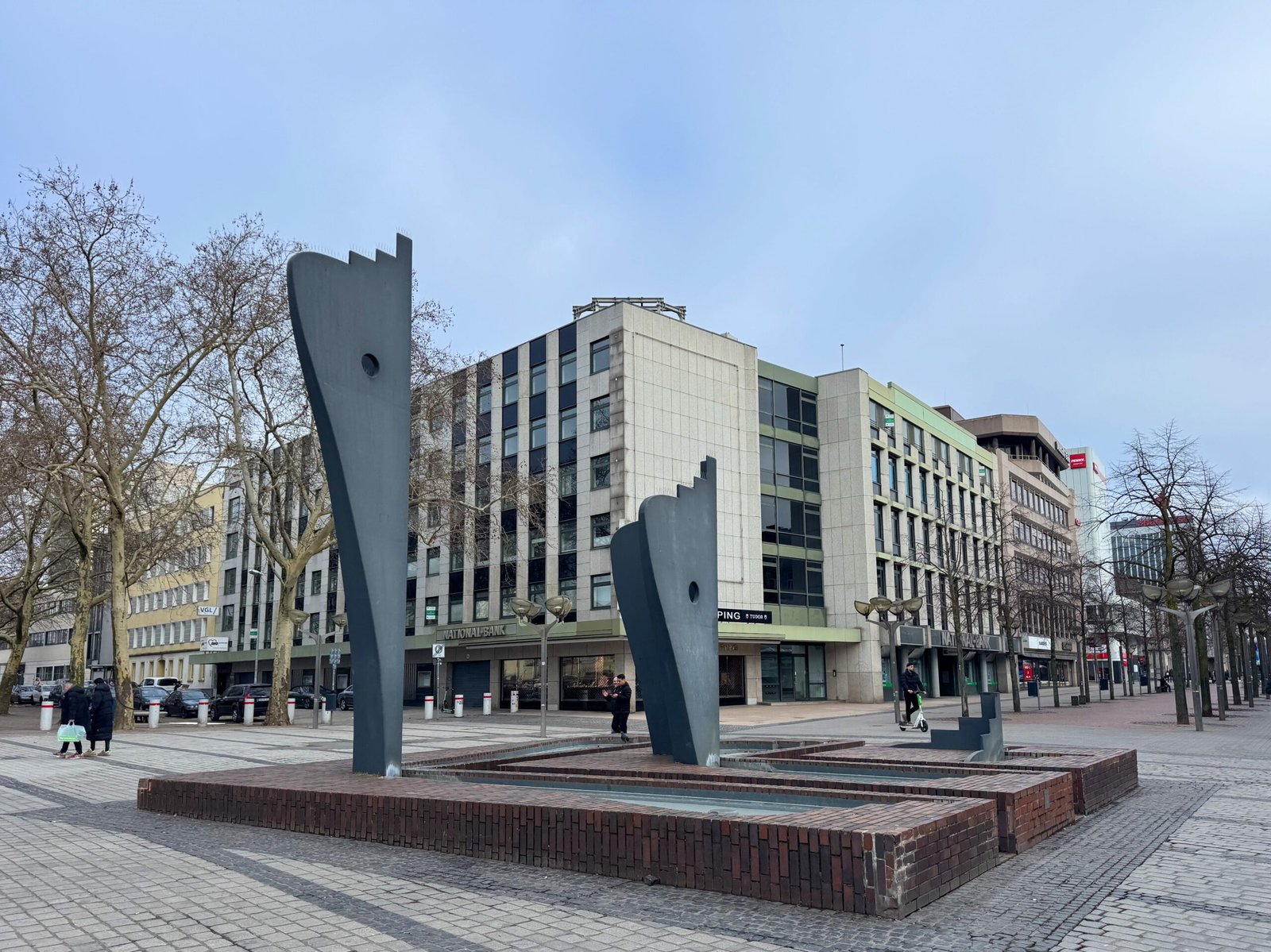
This is a city built on scale and contrast. Duisburg stretches across both banks of the Rhine, and the river feels less like a border and more like a mirror. On one side, the city center pulses with traffic, railways, trams, and dense urban life. On the other, the atmosphere softens: quieter streets, playgrounds, schools, and neighborhoods where daily life feels slower and more rooted. These two sides coexist so closely that they sometimes overlap in surprising ways — most famously in the fact that the same street names exist on both banks. Without the postal code, confusion is almost guaranteed, a small but telling detail about how the city grew organically around water and industry.
Industry here is not hidden — it is openly displayed and deeply respected. Duisburg is home to the Port of Duisburg, the largest inland port in Europe. Standing near the harbor, watching barges glide past cranes and endless rows of containers, you begin to understand the city’s role as a logistical heart of the continent. Rail tracks, roads, and waterways converge here, connecting North Sea ports with the industrial core of Europe. It feels less like a harbor and more like a living system—constant, powerful, and precise.
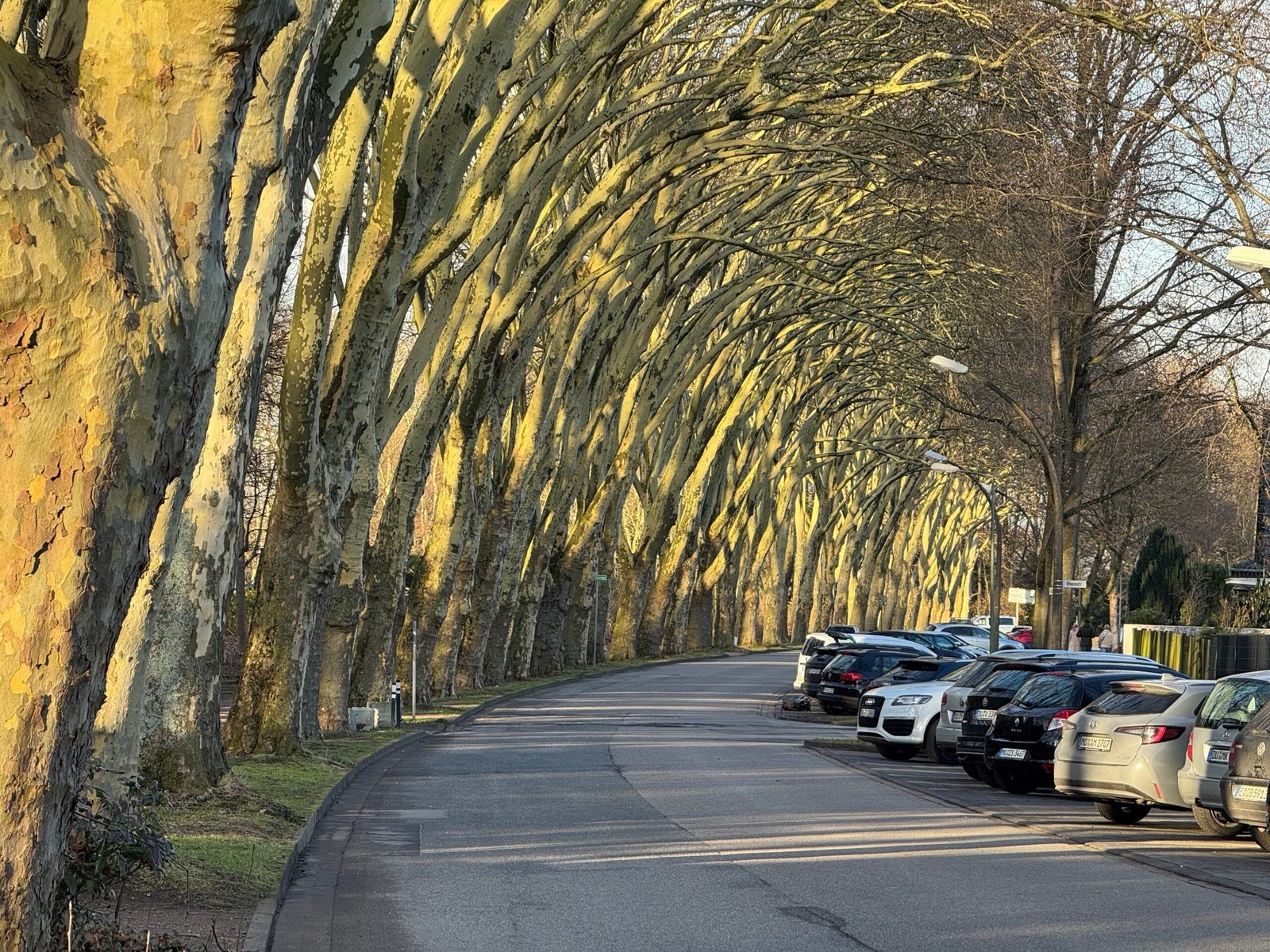
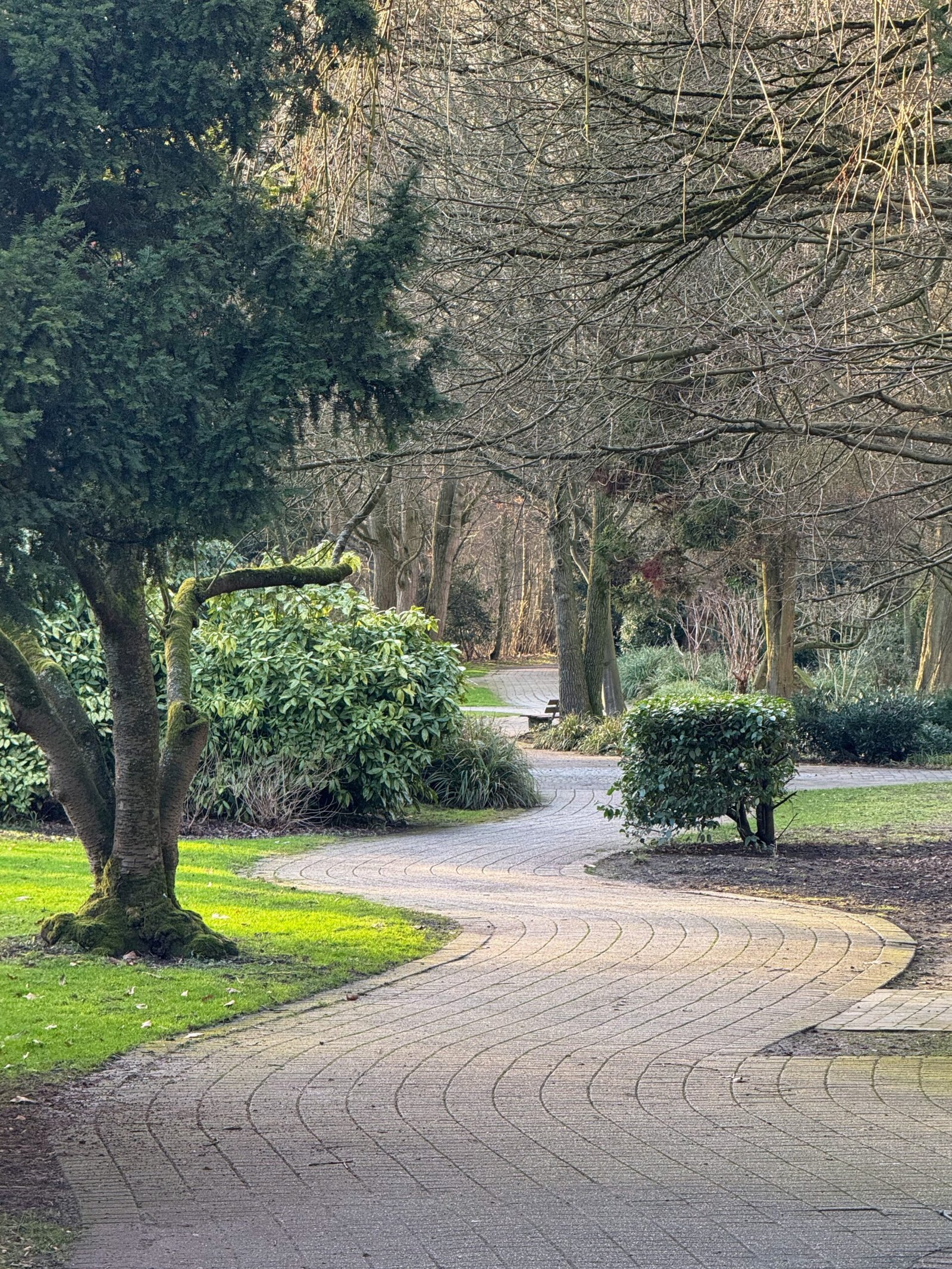
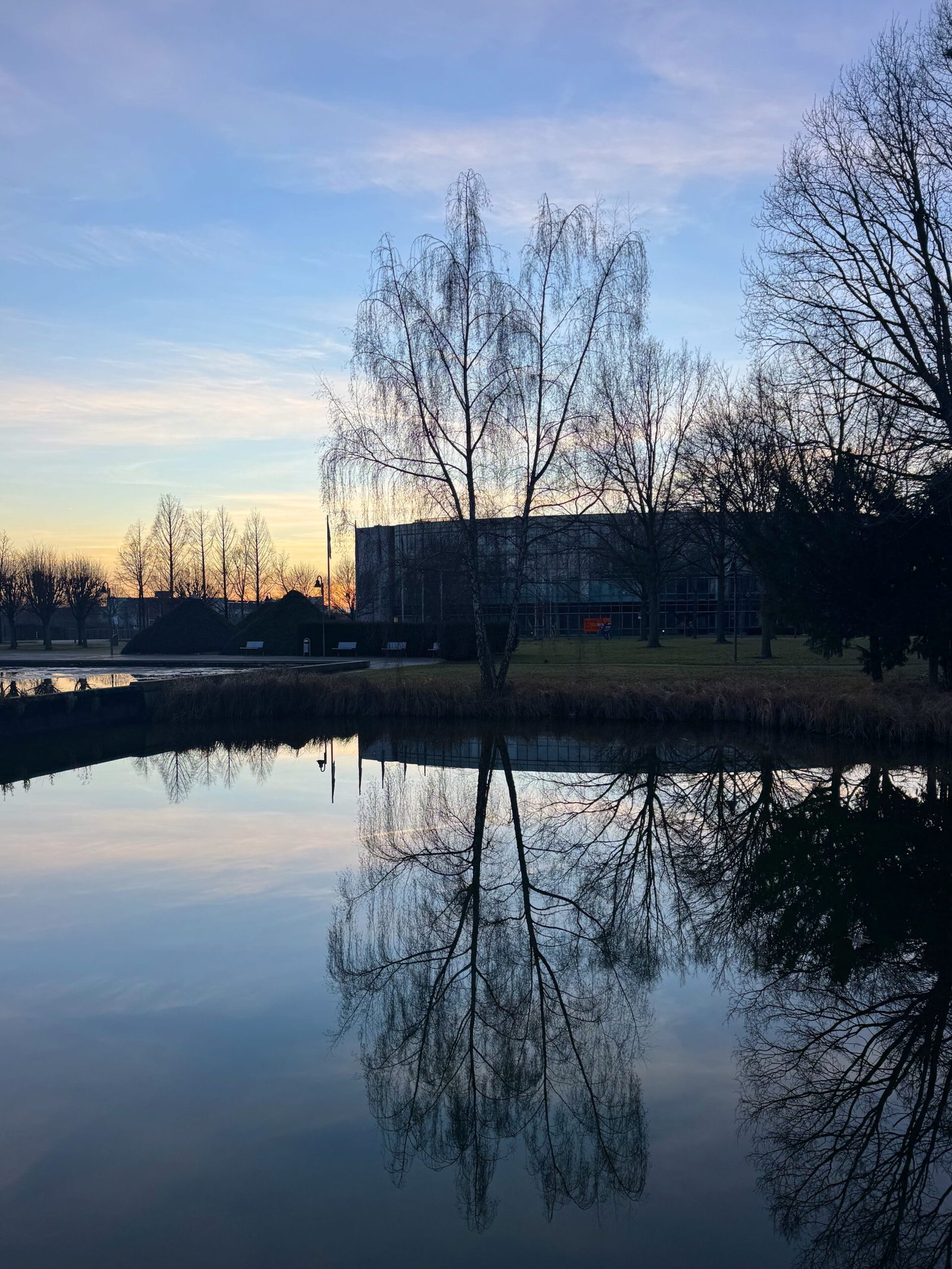
Yet Duisburg is far from being only steel and concrete. One of the city’s most striking qualities is how generously it offers green space. Large parks appear between residential quarters, inviting families to walk, children to play, and visitors to slow down. These parks are not decorative—they are lived-in, practical, and welcoming. They give the city a balance that feels essential rather than planned.
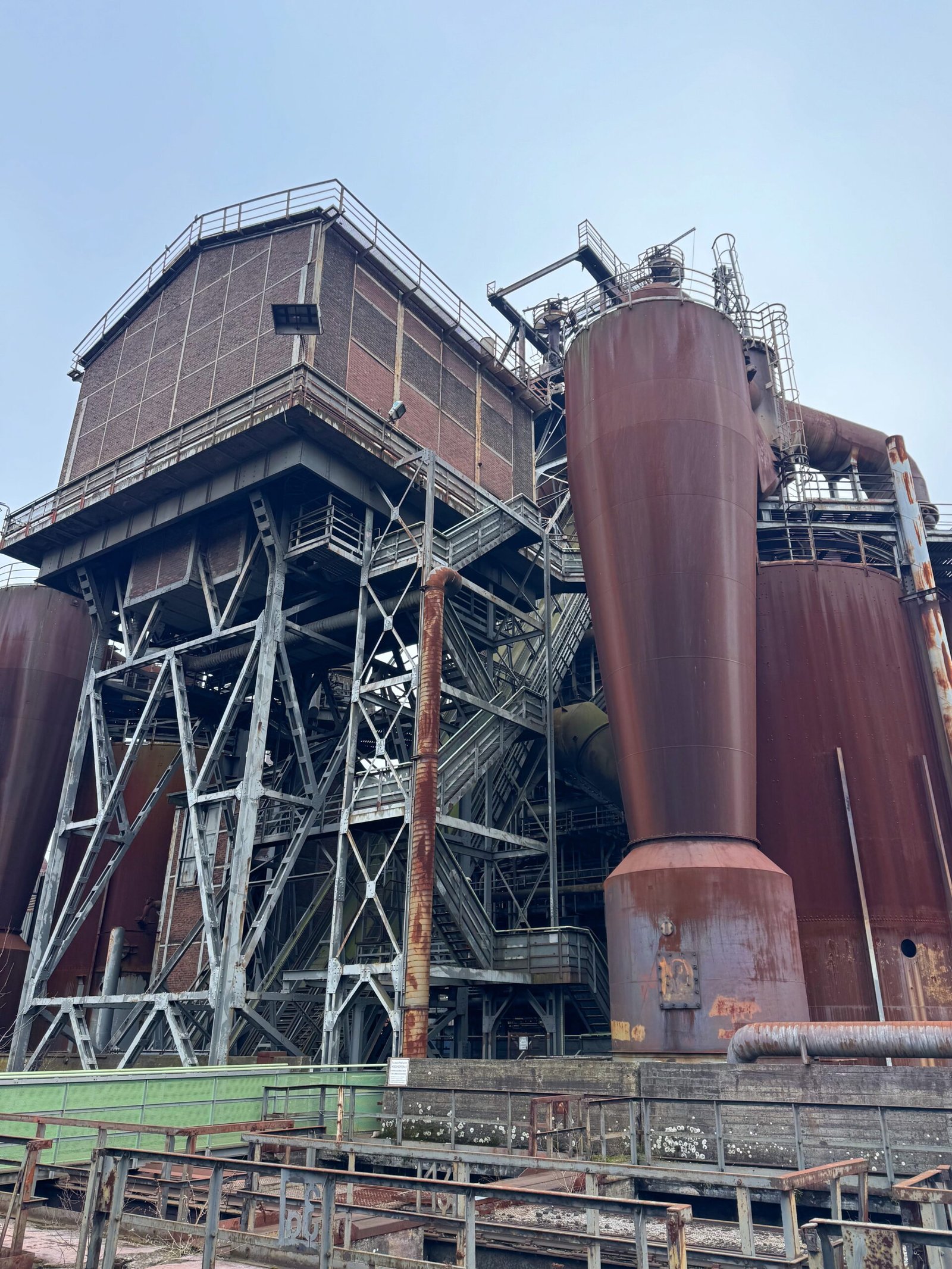
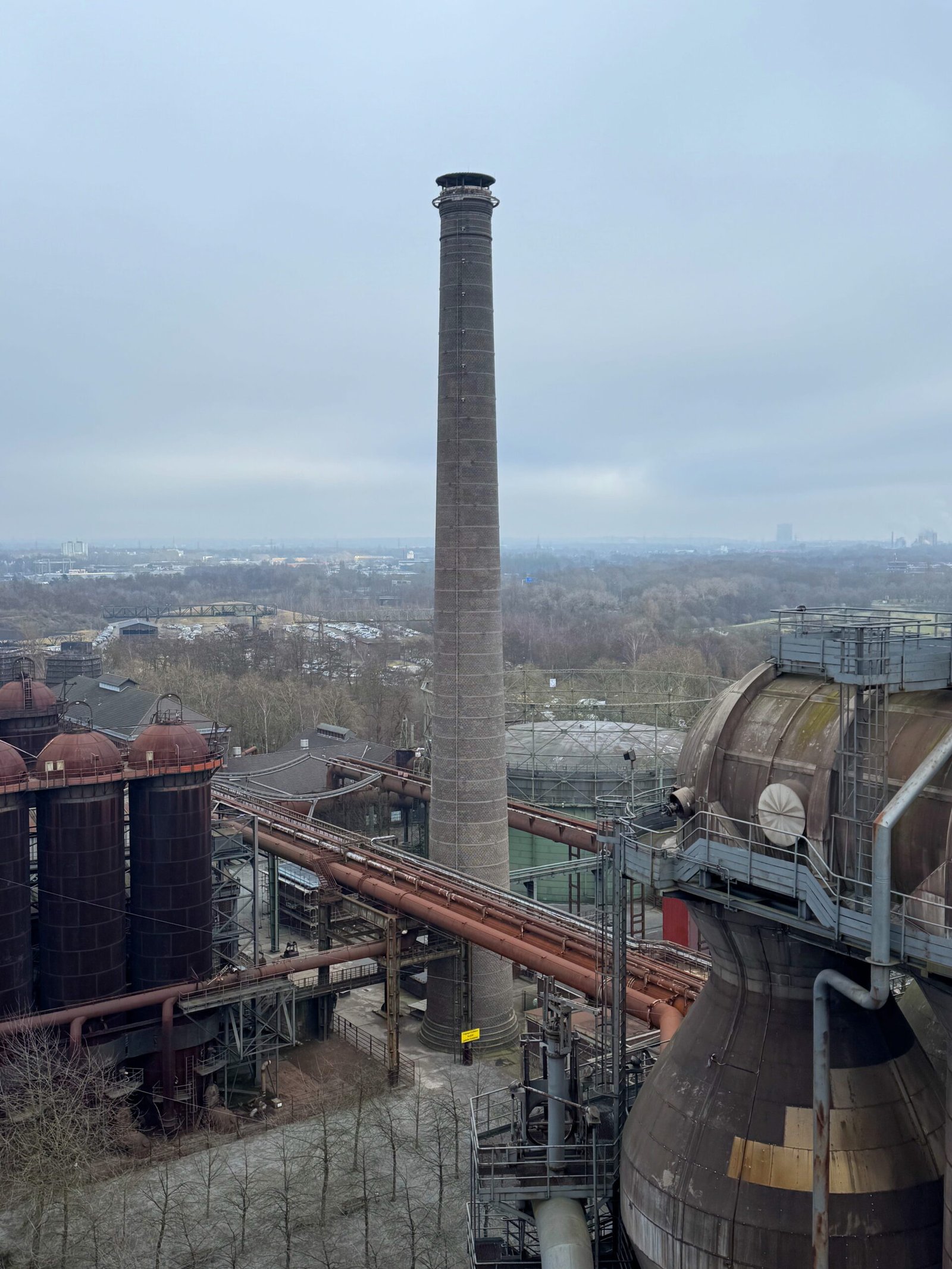
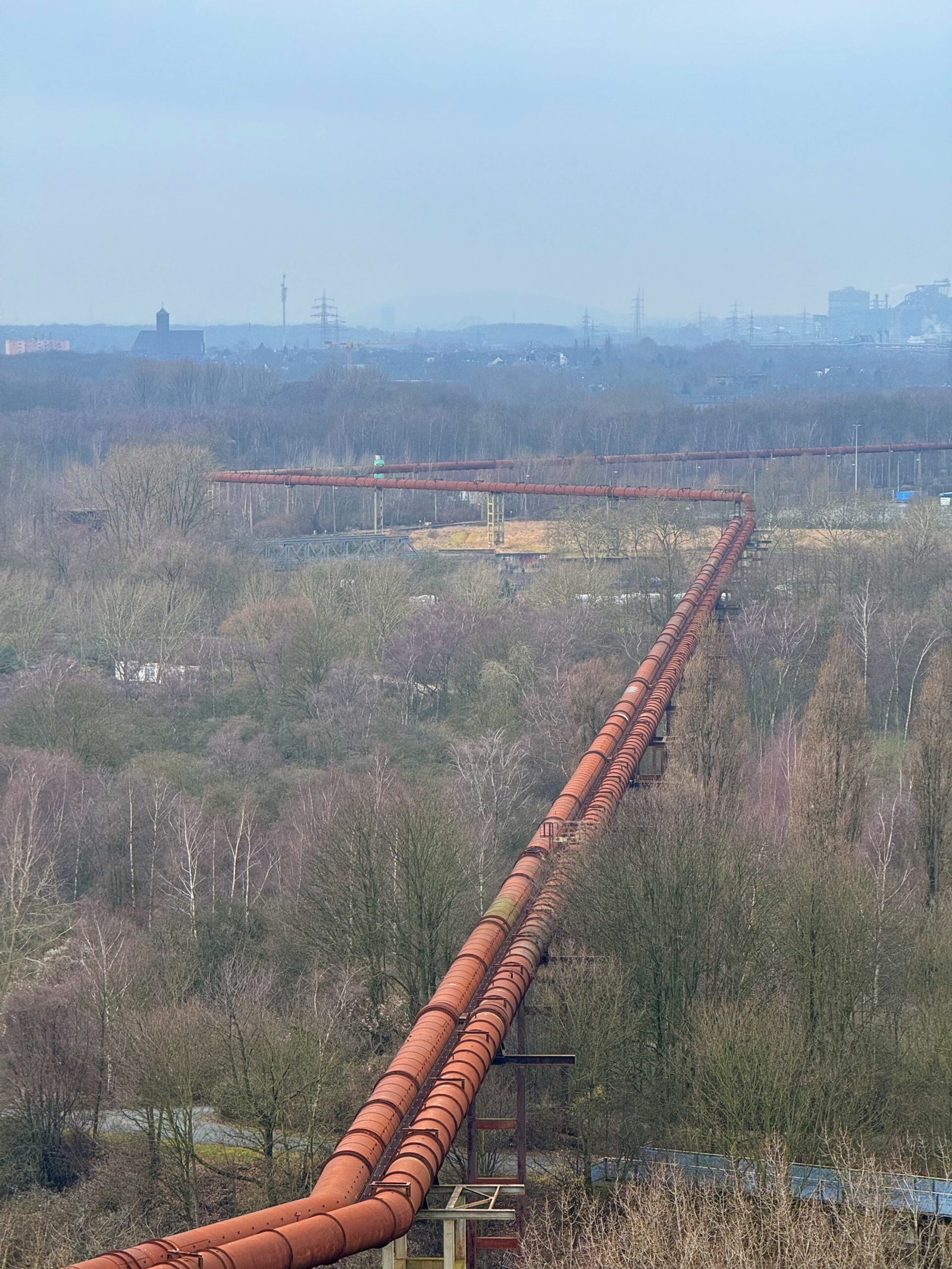
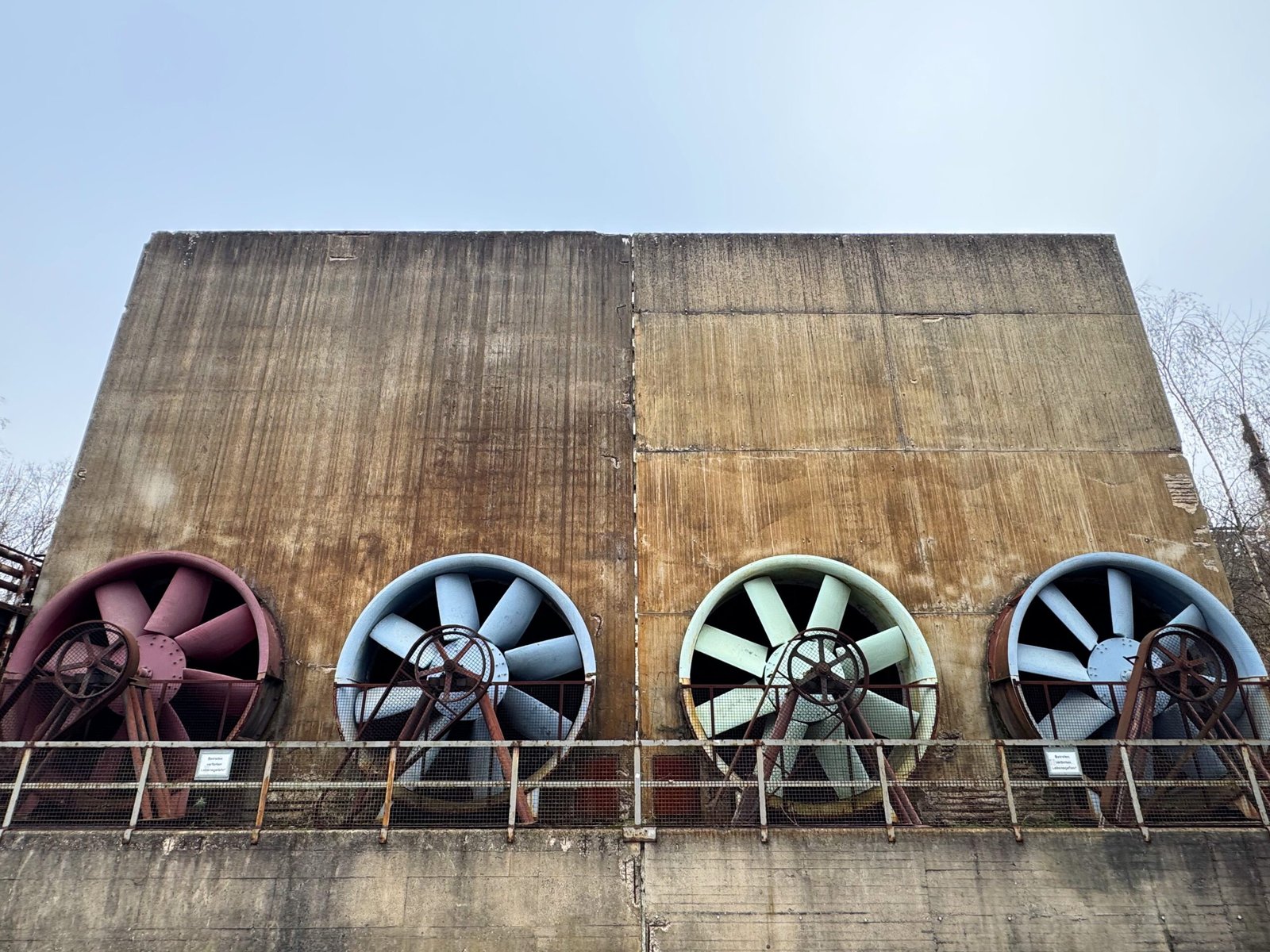
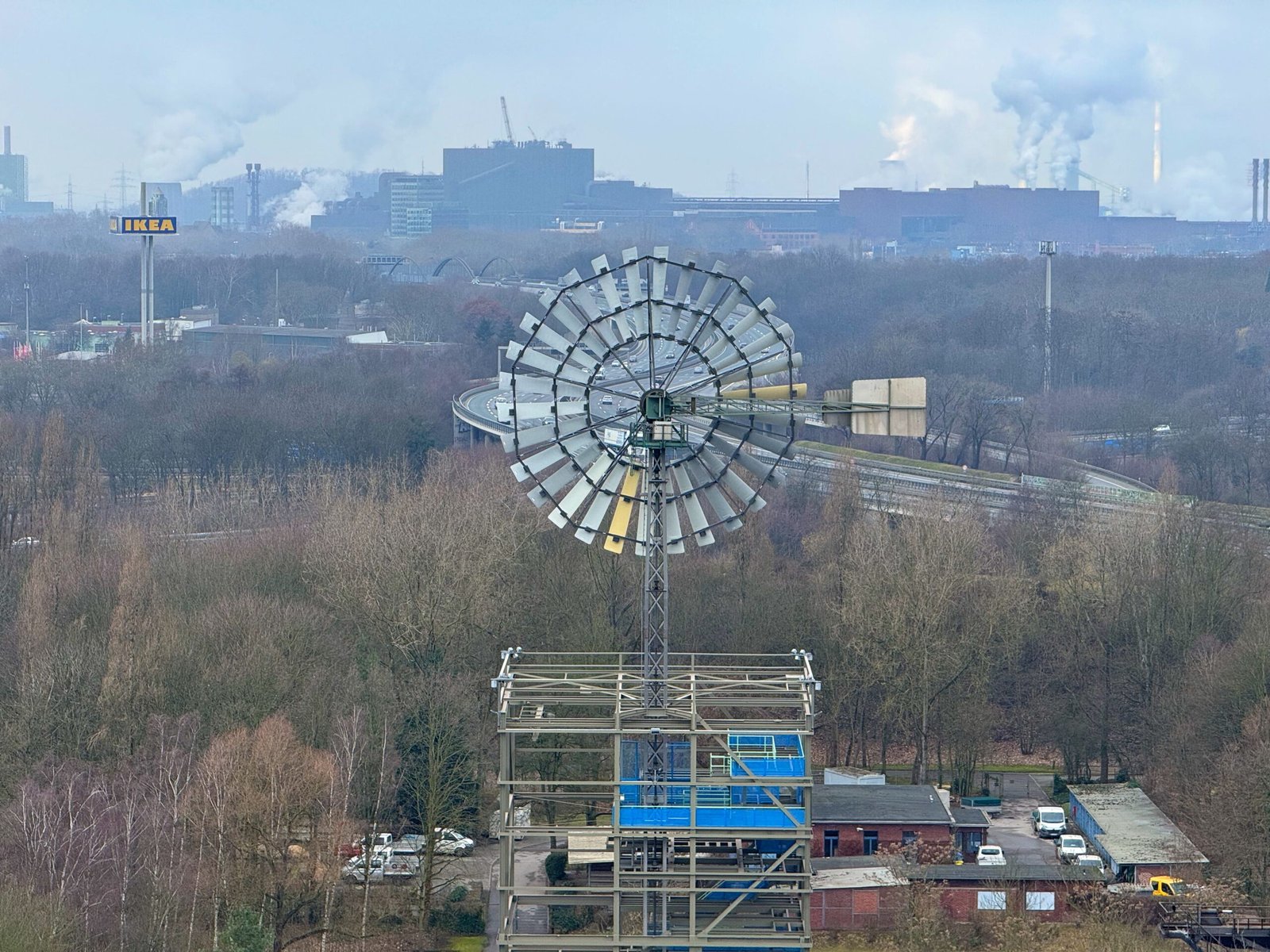
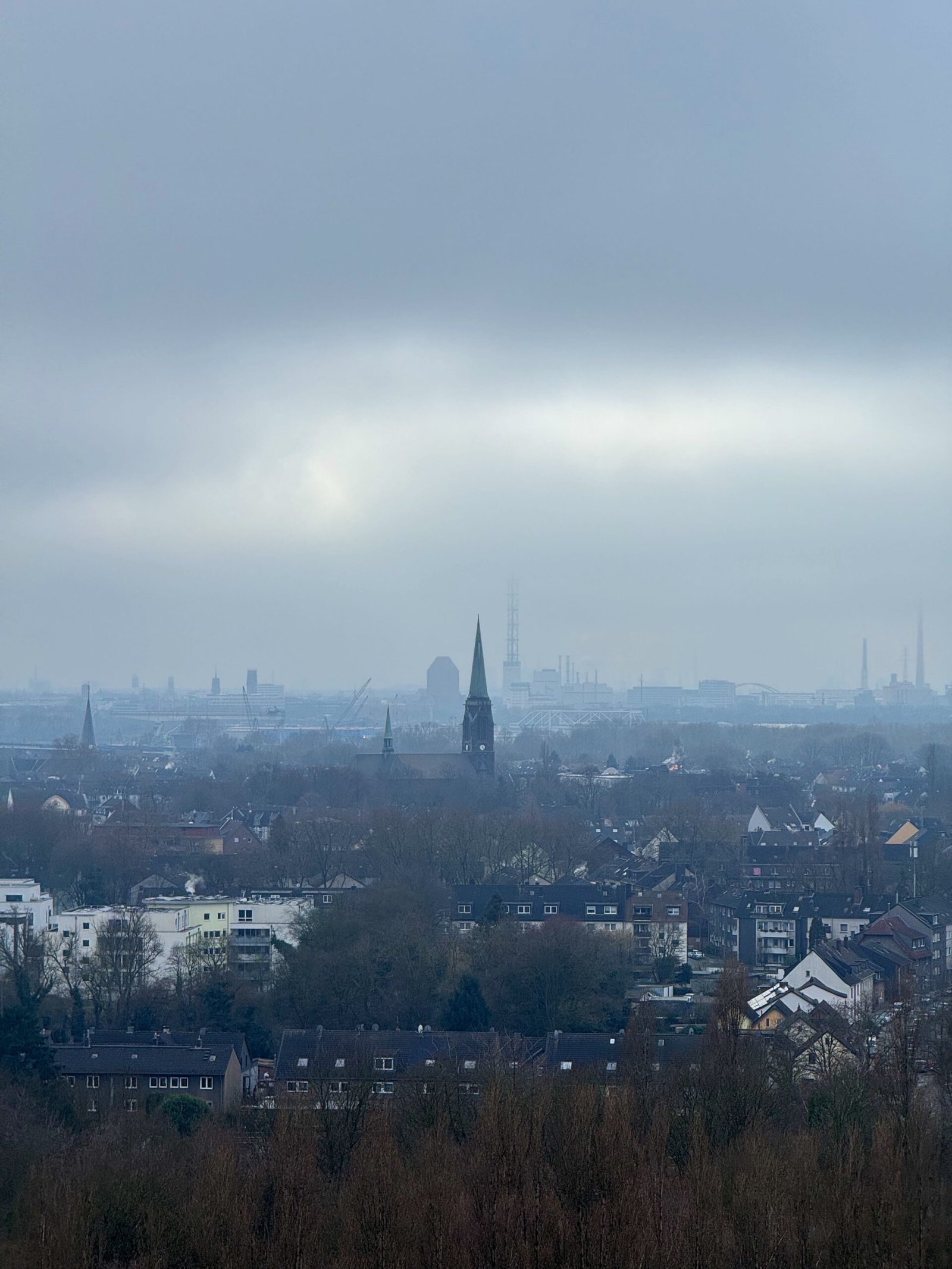
This balance is most powerfully expressed in Landschaftspark Duisburg-Nord. Once a massive ironworks, it has been transformed into a public park without erasing its past. Blast furnaces still tower above paths and gardens; pipes and steel structures frame playgrounds and viewpoints. Inside one of the halls, visitors can watch a short film showing how the plant once operated—molten metal, heat, noise, and human labor working together at an almost unimaginable scale. Then you climb higher, to the viewing platforms, and suddenly the entire industrial landscape of the Ruhr region unfolds before you. From above, the complexity and magnitude of this area become tangible, almost overwhelming.
Duisburg’s location adds yet another layer. The Netherlands are very close, and this proximity shapes the city’s openness—culturally, economically, and geographically. Borders feel less rigid here; movement and connection feel natural. Duisburg may not be polished or romantic in a classic sense, but it is deeply honest. For us, it became a place where heavy history, everyday life, and quiet friendship met—and where contrasts did not clash, but instead formed something unexpectedly warm.
🏭 Facts about Duisburg
Location: Duisburg is located in western Germany, in the federal state of North Rhine–Westphalia, where the rivers Rhine and Ruhr meet.
Rhine River: The city stretches across both banks of the Rhine, creating two contrasting urban atmospheres within one city.
City Character: The central areas are busier and more urban, while the opposite bank feels calmer, greener, and more family-oriented.
Street Names: Duisburg has streets with identical names on both river banks, making postal codes essential for correct navigation.
Port of Duisburg: Home to the largest inland port in Europe, Duisburg is a major logistics hub connecting waterways, rail, and road transport.
Green Spaces: Despite its industrial scale, the city offers large, welcoming parks that are actively used by families and locals.
Landschaftspark Duisburg-Nord: A former steelworks transformed into a public park, featuring blast furnaces, exhibitions, viewpoints, and panoramic views over the Ruhr industrial region.
Nearby Countries: The Netherlands are very close, giving Duisburg a distinctly open and cross-border character.
Best For: Industrial heritage exploration, slow city walks, family-friendly parks, and understanding the Ruhr region’s scale and history.
Ми приїхали до Дуйсбургу під час шкільних канікул, свідомо обравши цей період, щоб ми та наші діти могли без поспіху провести кілька днів із нашими близькими друзями з рідного Харкова. Війна розкидала наші життя по різних країнах, але вона не змогла зруйнувати дружбу. Ці дні разом були важливішими за будь-які туристичні плани — і водночас сам Дуйсбург став сильним тлом для роздумів.
Це місто побудоване на масштабі та контрасті. Дуйсбург простягається по обох берегах Рейну, і річка тут радше дзеркало, ніж межа. З одного боку — центр міста з інтенсивним рухом, трамваями, залізницею та щільним міським життям. З іншого — спокійніші райони з зеленими вулицями, дитячими майданчиками, школами та відчуттям повільнішого, більш укоріненого повсякдення. Обидві частини міста настільки близькі, що інколи перетинаються в найнесподіваніший спосіб — наприклад, однакові назви вулиць існують на обох берегах. Без поштового індексу плутанина майже неминуча — невелика, але промовиста деталь того, як місто виростало навколо води та промисловості.
Промисловість тут не прихована — вона відкрито присутня і сприймається з повагою. Дуйсбург є домівкою для порту Дуйсбургу, найбільшого внутрішнього порту Європи. Стоячи біля гавані й спостерігаючи, як баржі повільно рухаються повз крани та нескінченні ряди контейнерів, починаєш розуміти роль міста як логістичного серця континенту. Водні шляхи, залізниця й автошляхи сходяться тут у єдину систему — потужну, безперервну й точно налаштовану.
Водночас Дуйсбург — це не лише сталь і бетон. Однією з найбільш вражаючих його рис є те, наскільки щедро місто пропонує зелені простори. Великі парки з’являються між житловими кварталами, запрошуючи родини на прогулянки, дітей — до гри, а гостей — сповільнитися. Це не декоративні зони, а живі, практичні простори, якими місто справді користується.
Найяскравіше цей баланс проявляється у Landschaftspark Duisburg-Nord. Колишній металургійний комбінат перетворили на громадський парк, не стираючи його минулого. Домни й сталеві конструкції височіють над доріжками та садами, труби й промислові елементи обрамляють дитячі майданчики й оглядові точки. Усередині однієї з будівель можна подивитися фільм про те, як завод працював раніше — про розпечений метал, шум і працю людей у масштабі, який сьогодні важко уявити. А піднявшись на оглядові майданчики, бачиш перед собою всю індустріальну панораму Рурського регіону — складну, величезну й водночас несподівано красиву.
Географія міста додає ще один вимір. Нідерланди зовсім поруч, і ця близькість формує відчуття відкритості — культурної, економічної та просторової. Кордони тут відчуваються менш жорсткими, а рух і зв’язки — природними. Дуйсбург не є листівковим містом. Він чесний, багатошаровий і справжній. Для нас він став місцем, де дружба зустрілася з історією, а контрасти не зіштовхнулися, а склалися в тиху, теплу гармонію.
🏭 Факти про Дуйсбург
Розташування: Дуйсбург розташований на заході Німеччини, у федеральній землі Північний Рейн — Вестфалія, в місці злиття річок Рейн і Рур.
Річка Рейн: Місто простягається по обох берегах Рейну, утворюючи два контрастні міські світи в межах одного міста.
Характер міста: Центральні райони є більш гучними й урбаністичними, тоді як протилежний берег спокійніший, зеленіший і більш сімейний.
Назви вулиць: У Дуйсбурзі існують вулиці з однаковими назвами на обох берегах річки, тому поштовий індекс є критично важливим.
Порт Дуйсбурга: Найбільший внутрішній порт Європи, який є ключовим логістичним вузлом водного, залізничного та автомобільного транспорту.
Зелені зони: Попри індустріальний масштаб, місто має великі затишні парки, якими активно користуються мешканці та родини.
Landschaftspark Duisburg-Nord: Колишній металургійний завод, перетворений на громадський парк з домнами, виставками, оглядовими майданчиками та панорамами Рурського промислового регіону.
Близькість до інших країн: Нідерланди розташовані зовсім поруч, що формує відкритий та транскордонний характер міста.
Найкраще підходить для: Знайомства з індустріальною спадщиною, неквапливих прогулянок, сімейного відпочинку та розуміння масштабу Рурського регіону.
Wir kamen während der Schulferien nach Duisburg und wählten diesen Zeitpunkt bewusst, damit unsere Kinder einige ruhige, ungehetzte Tage mit unseren engen Freunden aus Charkiw verbringen konnten. Der Krieg hat unsere Leben über Ländergrenzen hinweg verstreut, doch er konnte die Freundschaft nicht zerstören. Diese gemeinsamen Tage waren wichtiger als jede Sehenswürdigkeit — und dennoch erwies sich Duisburg selbst als eindrucksvolle Kulisse für viele Gedanken.
Duisburg ist eine Stadt, die auf Grösse und Kontrast basiert. Sie erstreckt sich über beide Ufer des Rhine, wobei der Fluss weniger als Grenze denn als Spiegel wirkt. Auf der einen Seite pulsiert das Stadtzentrum mit Verkehr, Strassenbahnen, Bahnlinien und dichtem urbanem Leben. Auf der anderen Seite wird es ruhiger: grünere Strassen, Spielplätze, Schulen und Wohnviertel, in denen der Alltag langsamer und bodenständiger erscheint. Diese beiden Seiten liegen so nah beieinander, dass sie sich mitunter auf überraschende Weise überschneiden — besonders deutlich wird das daran, dass Strassen mit identischem Namen auf beiden Ufern existieren. Ohne Postleitzahl ist Verwirrung fast unvermeidlich — ein kleines, aber bezeichnendes Detail für das organische Wachstum der Stadt rund um Wasser und Industrie.
Industrie wird hier nicht versteckt, sondern offen gezeigt und respektiert. Duisburg ist Heimat des Port of Duisburg, des grössten Binnenhafens Europas. Wenn man am Hafen steht und beobachtet, wie Schiffe an Kränen und endlosen Containerreihen vorbeiziehen, versteht man die Rolle der Stadt als logistisches Herz des Kontinents. Wasserwege, Schiene und Strasse greifen hier ineinander und bilden ein dauerhaftes, kraftvolles System.
Gleichzeitig besteht Duisburg nicht nur aus Stahl und Beton. Eine seiner bemerkenswertesten Eigenschaften ist die Grosszügigkeit der grünen Flächen. Grosse Parks liegen zwischen den Wohnquartieren und laden Familien zum Spazierengehen, Kinder zum Spielen und Besucher zum Innehalten ein. Diese Grünräume sind nicht dekorativ, sondern gelebter Teil des Alltags.
Am eindrucksvollsten zeigt sich dieser Ausgleich im Landschaftspark Duisburg-Nord. Das ehemalige Hüttenwerk wurde in einen öffentlichen Park umgewandelt, ohne seine Vergangenheit zu verleugnen. Hochöfen ragen über Wege und Gärten, Rohrleitungen und Stahlkonstruktionen rahmen Spielplätze und Aussichtspunkte. In einem der Gebäude kann man einen Film über den früheren Betrieb sehen — über flüssiges Metall, Lärm und menschliche Arbeit in einer heute kaum vorstellbaren Dimension. Von den oberen Plattformen eröffnet sich schliesslich der Blick über die gesamte industrielle Landschaft des Ruhrgebiets — komplex, überwältigend und zugleich überraschend schön.
Die Lage der Stadt fügt eine weitere Ebene hinzu. Die Netherlands liegen ganz in der Nähe, und diese Nähe prägt das Gefühl von Offenheit — kulturell, wirtschaftlich und geografisch. Grenzen wirken hier weniger starr, Bewegung und Verbindung ganz selbstverständlich. Duisburg ist keine Postkartenstadt. Sie ist ehrlich, vielschichtig und real. Für uns wurde sie zu einem Ort, an dem Freundschaft auf Geschichte traf — und an dem Gegensätze nicht kollidierten, sondern eine leise, warme Harmonie bildeten.
🏭 Fakten über Duisburg
Lage: Duisburg liegt im Westen Deutschlands, im Bundesland Nordrhein-Westfalen, am Zusammenfluss von Rhein und Ruhr.
Rhein: Die Stadt erstreckt sich über beide Ufer des Rheins und vereint zwei deutlich unterschiedliche Stadtwelten.
Stadtcharakter: Die zentralen Stadtteile sind lebendiger und urbaner, während das gegenüberliegende Ufer ruhiger, grüner und familienfreundlicher wirkt.
Straßennamen: In Duisburg gibt es Straßen mit identischem Namen auf beiden Rheinseiten, weshalb die Postleitzahl für die Orientierung entscheidend ist.
Hafen Duisburg: Der grösste Binnenhafen Europas macht Duisburg zu einem der wichtigsten Logistikzentren des Kontinents.
Grünflächen: Trotz seiner industriellen Prägung bietet Duisburg zahlreiche grosse Parks, die aktiv von Familien und Einheimischen genutzt werden.
Landschaftspark Duisburg-Nord: Ein ehemaliges Hüttenwerk, das heute ein öffentlicher Park mit Hochöfen, Ausstellungen, Aussichtspunkten und weitem Blick über das Ruhrgebiet ist.
Nahegelegene Länder: Die Niederlande liegen ganz in der Nähe und verleihen der Stadt einen offenen, grenznahen Charakter.
Ideal für: Industriekultur, entspannte Stadtspaziergänge, familienfreundliche Ausflüge und ein tieferes Verständnis der Geschichte des Ruhrgebiets.
Landschaftspark Duisburg-Nord is simply an incredible place!
A former industrial plant that feels like a giant open-air industrial museum. You can walk among massive blast furnaces, climb the via ferrata and climbing walls, enjoy the green spaces, and even go diving in a former gas tank.
 ©Every Mile Story
 ©Every Mile Story
 ©Every Mile Story
 ©Every Mile Story
 ©Every Mile Story
 ©Every Mile Story
 ©Every Mile Story
 ©Every Mile Story
 ©Every Mile Story
 ©Every Mile Story
 ©Every Mile Story
 ©Every Mile Story
 ©Every Mile Story
 ©Every Mile Story
 ©Every Mile Story
 ©Every Mile Story
 ©Every Mile Story
 ©Every Mile Story