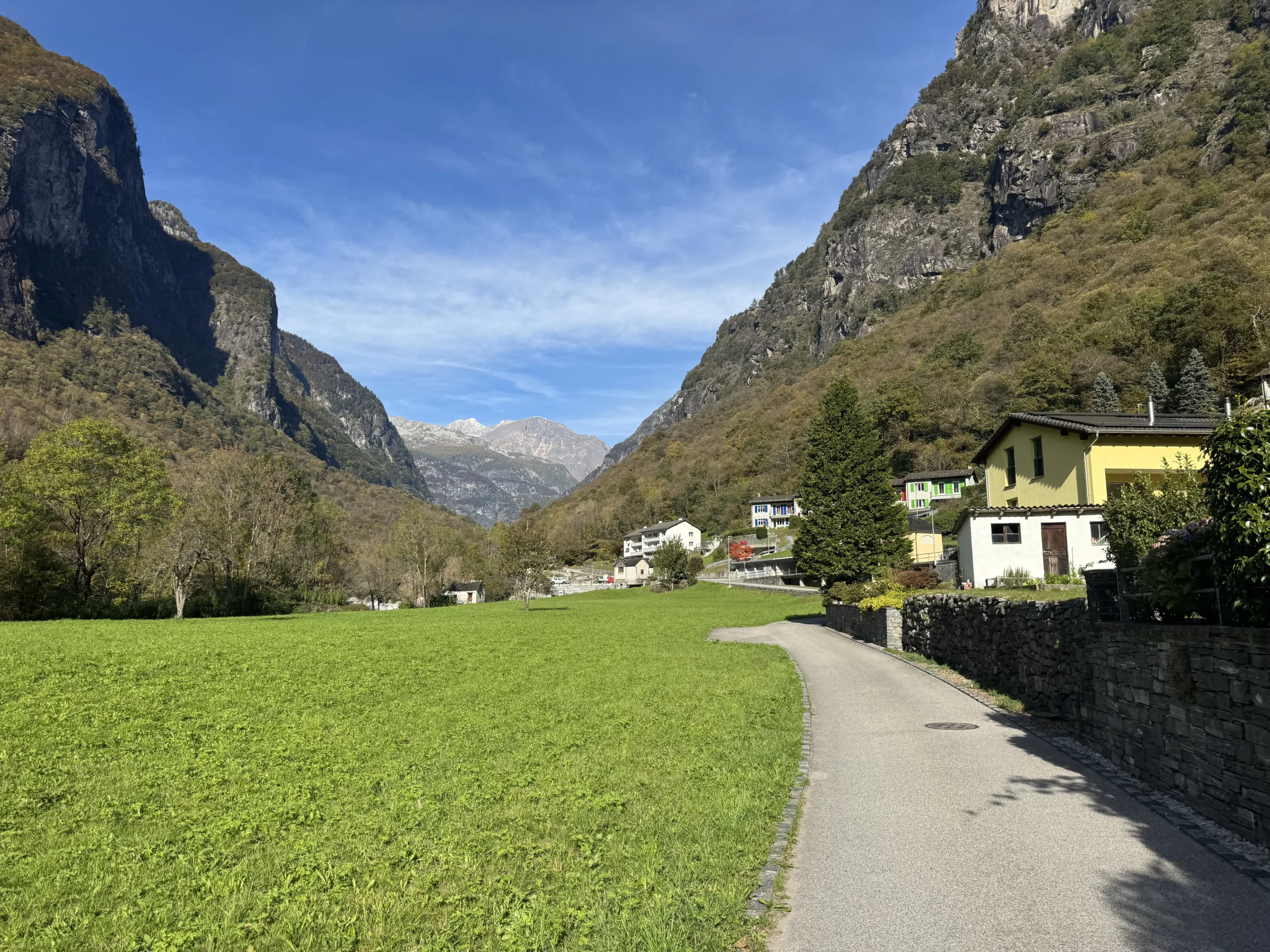
There are places in Switzerland where time seems to soften, where the modern world fades into a quiet whisper and nature takes back its ancient throne. The journey from Cavergno to Foroglio is one of those rare experiences — not just a hike, but a step into a valley shaped by glaciers, storms, waterfalls, and centuries of human endurance. Located in the Italian-speaking part of Switzerland, Val Bavona is often called “Switzerland’s last truly wild valley”, and as soon as you set foot on the trail, you understand why.
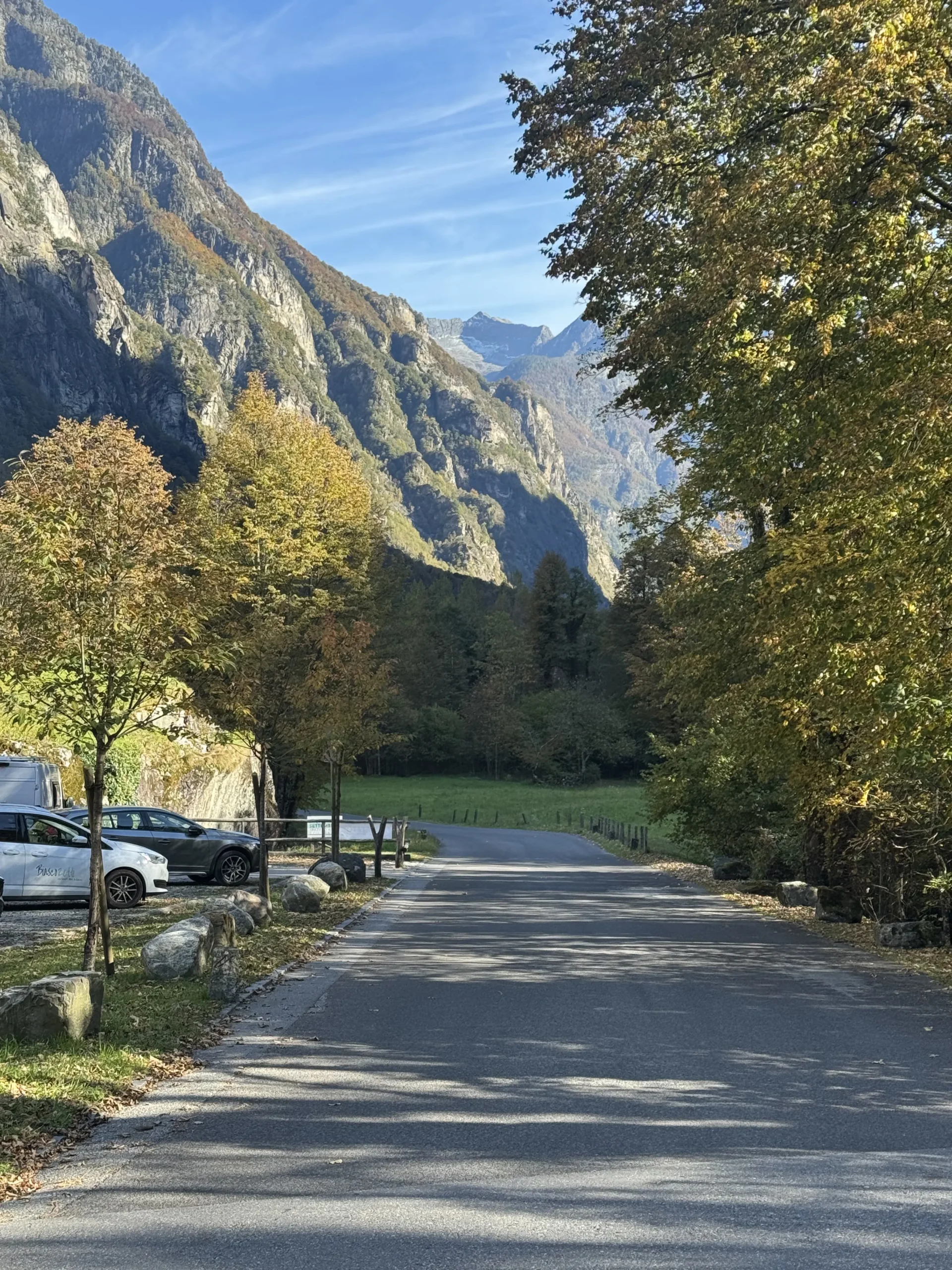
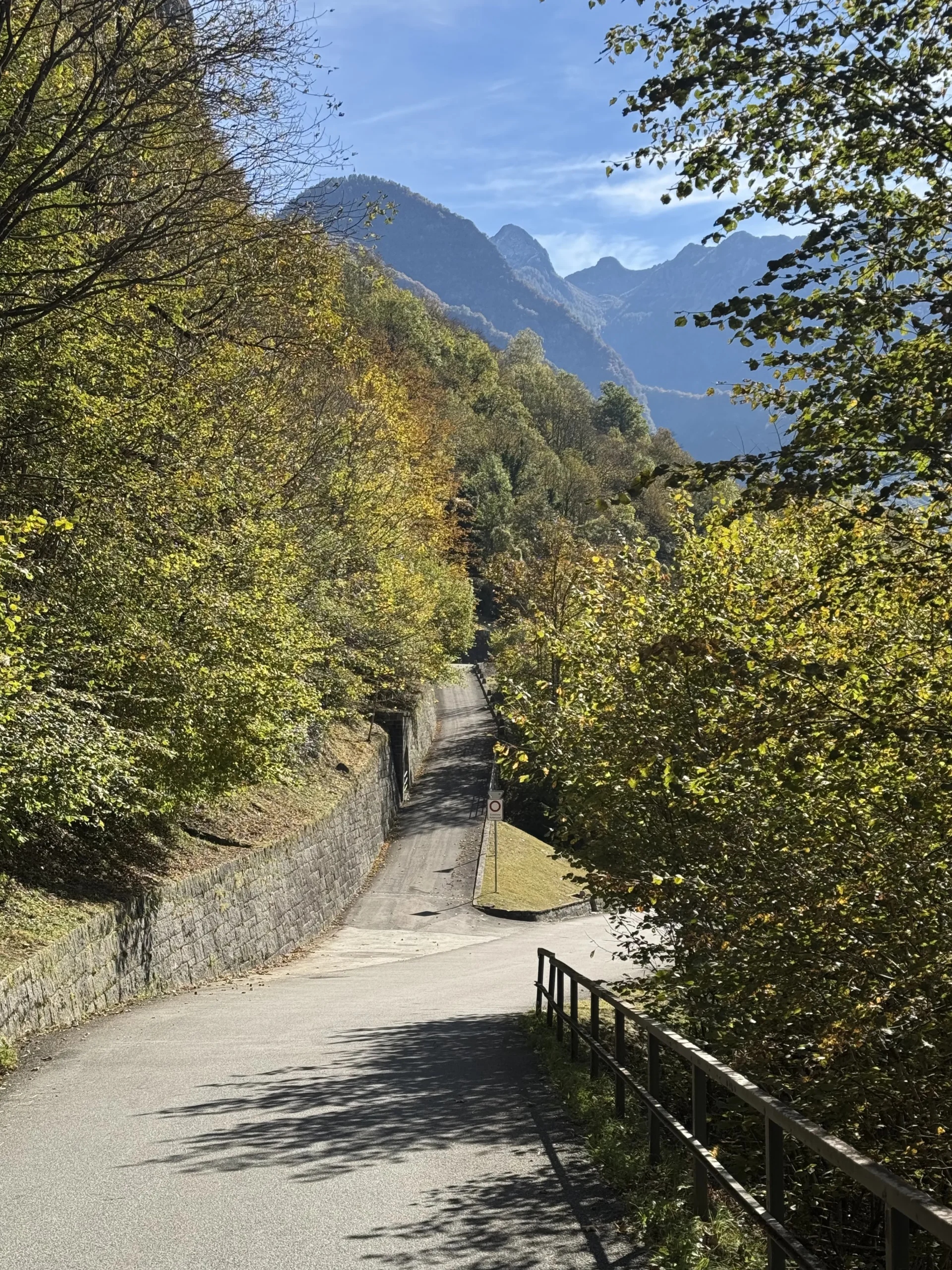
Cavergno greeted us with a cool, sleepy calm. At this early hour, the stone houses still held the night’s chill, and the mountains cast long shadows across the village. From the first meters, the path seemed to pull us inward — deeper into forests where roots twist over boulders and where the scent of pine and damp earth feels almost primordial. Sunbeams slid between the branches in sharp, golden lines, guiding us like nature’s own lanterns.
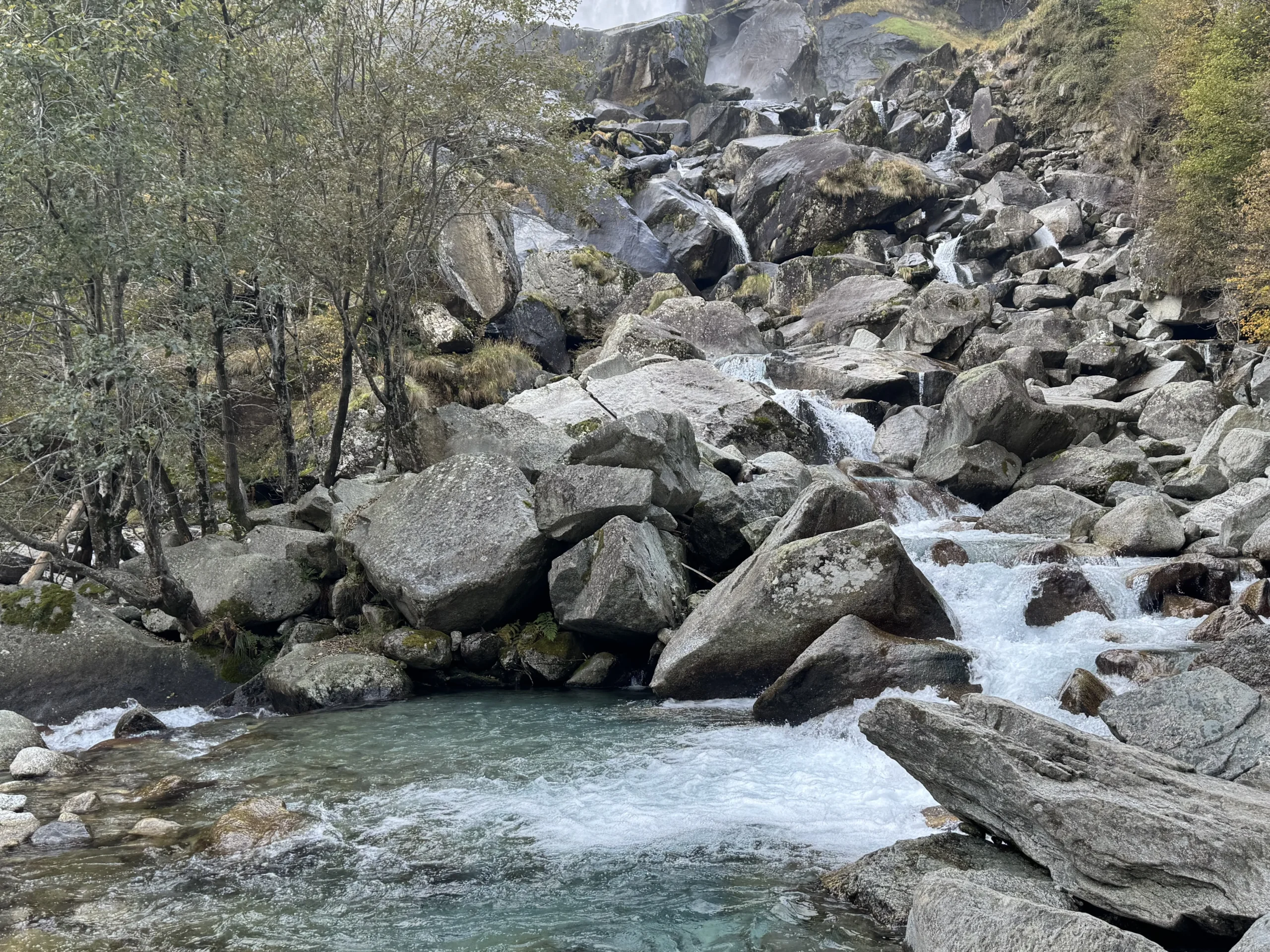
Not long after, the voice of the valley became unmistakable: water. Its sound followed us constantly — sometimes as a distant murmur, sometimes as a thunderous crash. The Bavona River carves its way through the granite landscape with raw strength, forming waterfalls of every character. Some fall like thin silver threads; others unleash themselves in roaring white torrents. This dramatic environment is one reason why, even today, the valley remains mostly off-grid. Most houses in Val Bavona have no electricity, a tradition that stems from centuries of adapting to the harsh environment.
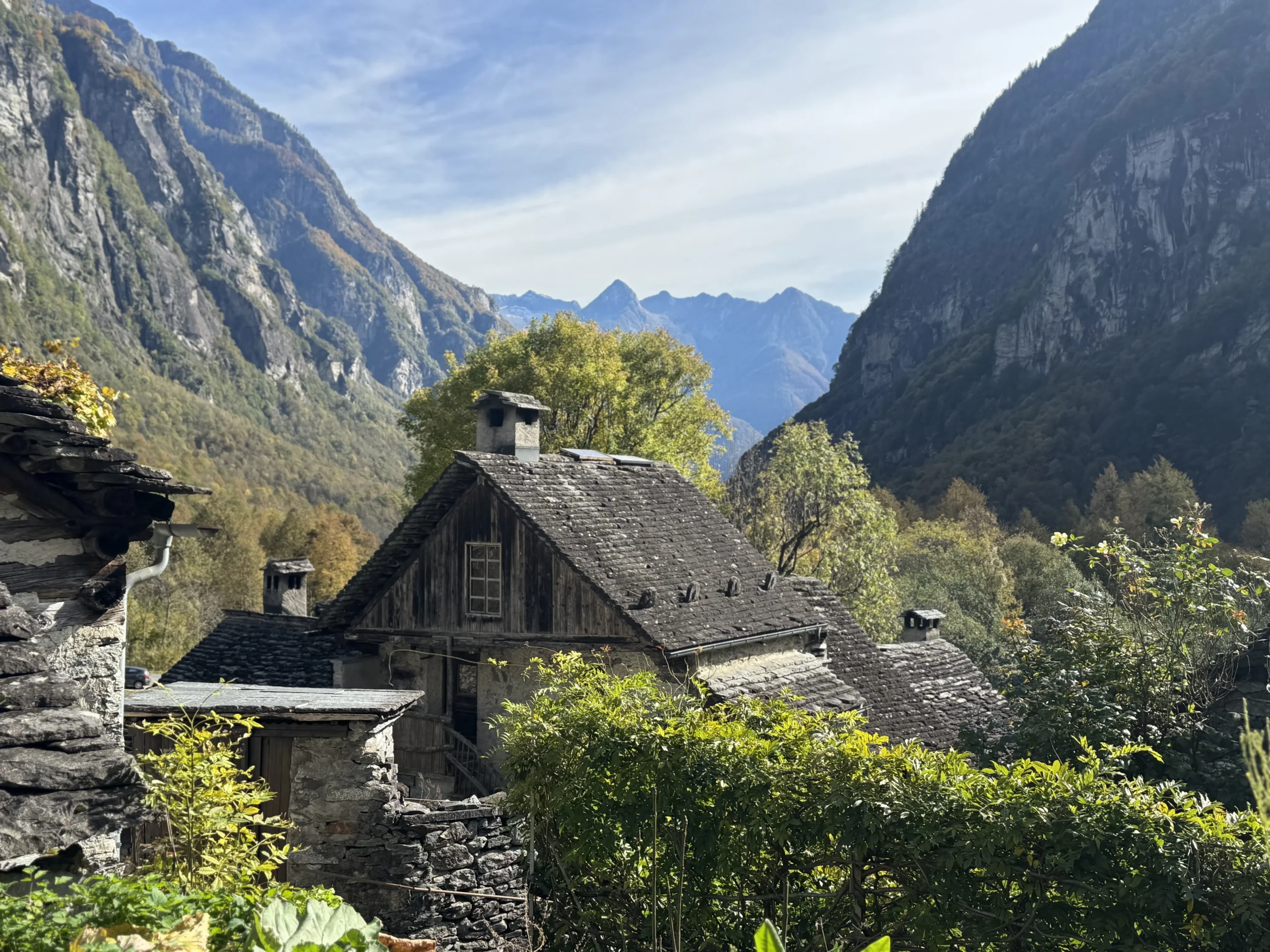
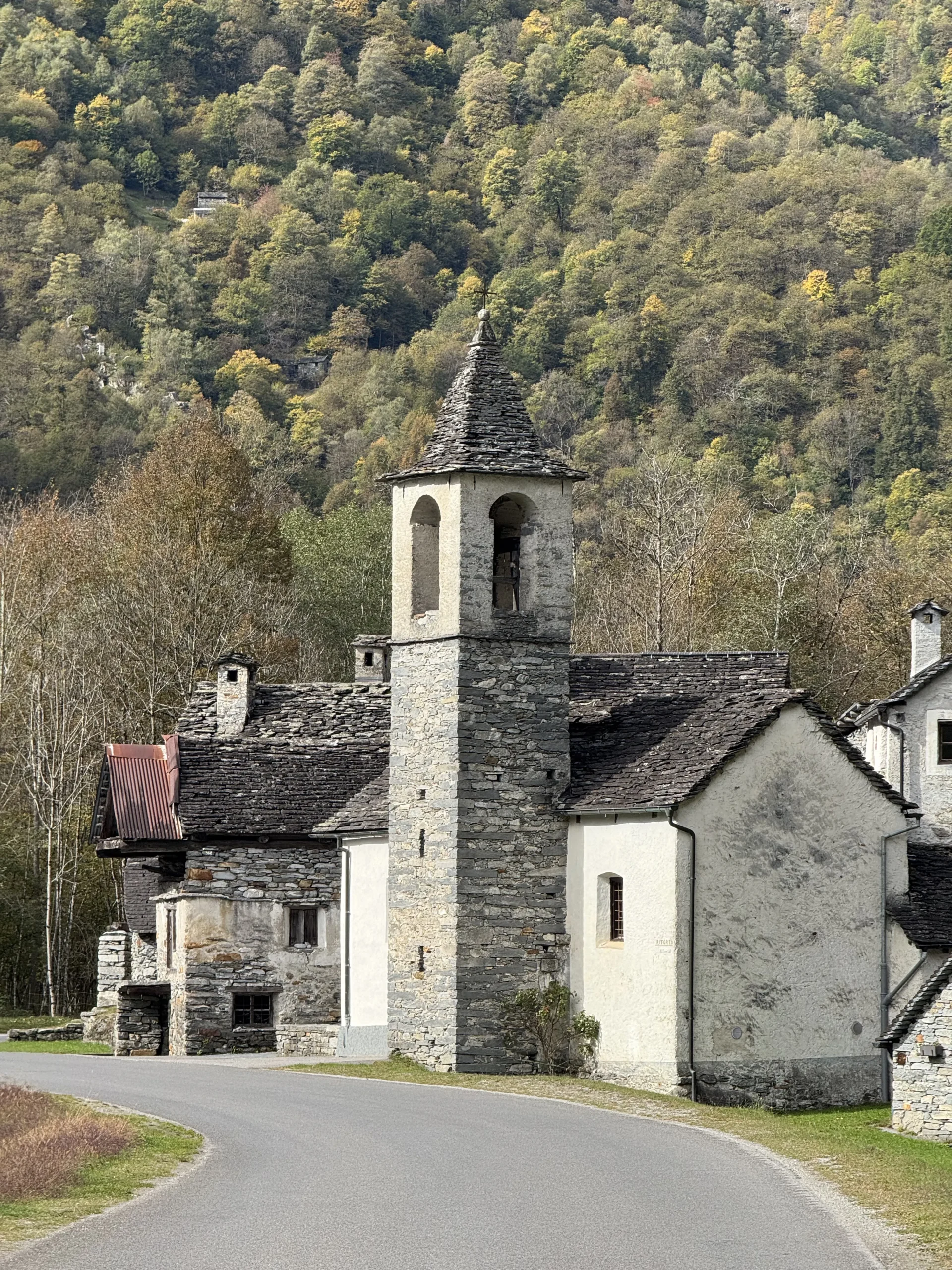
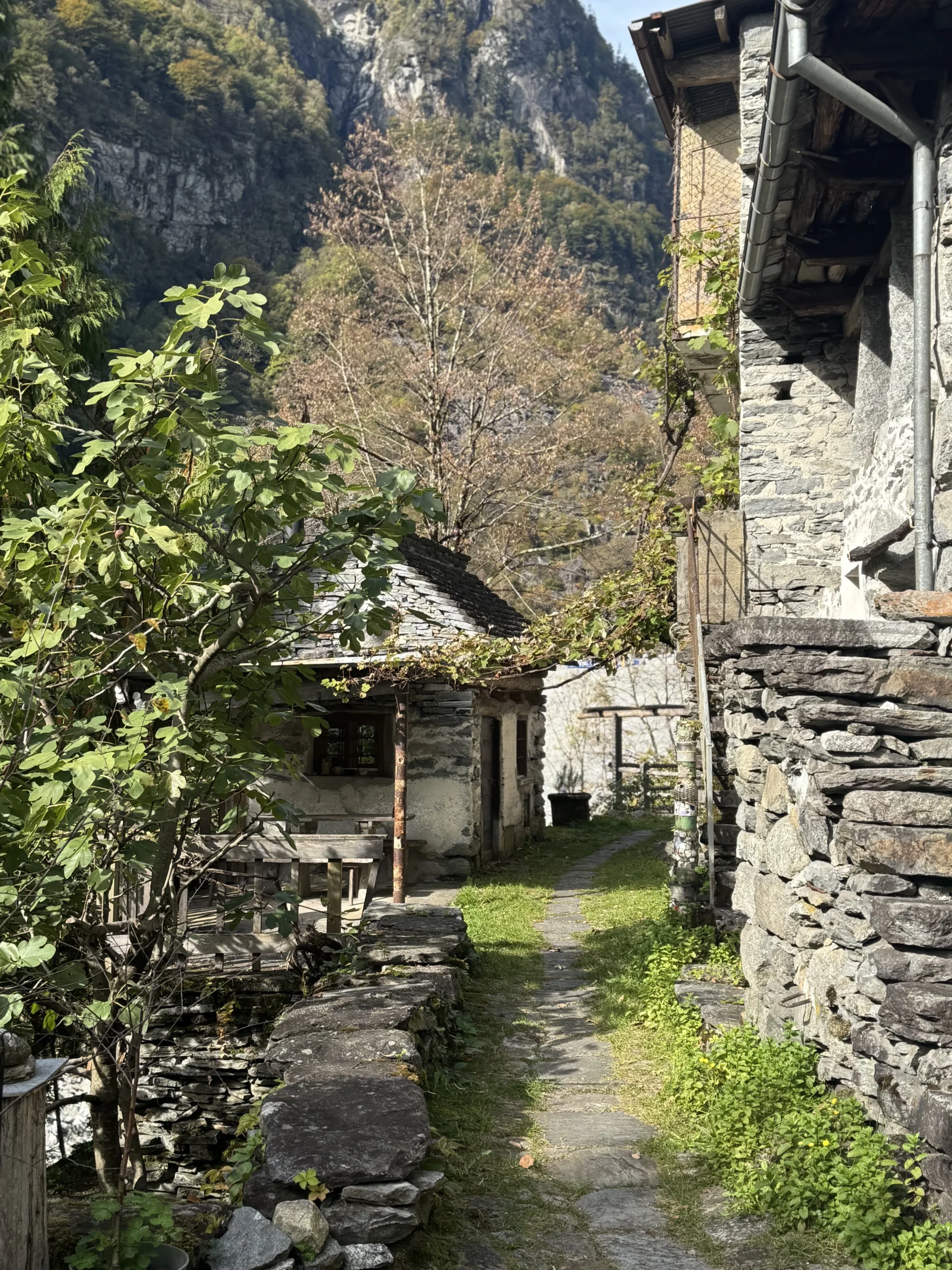
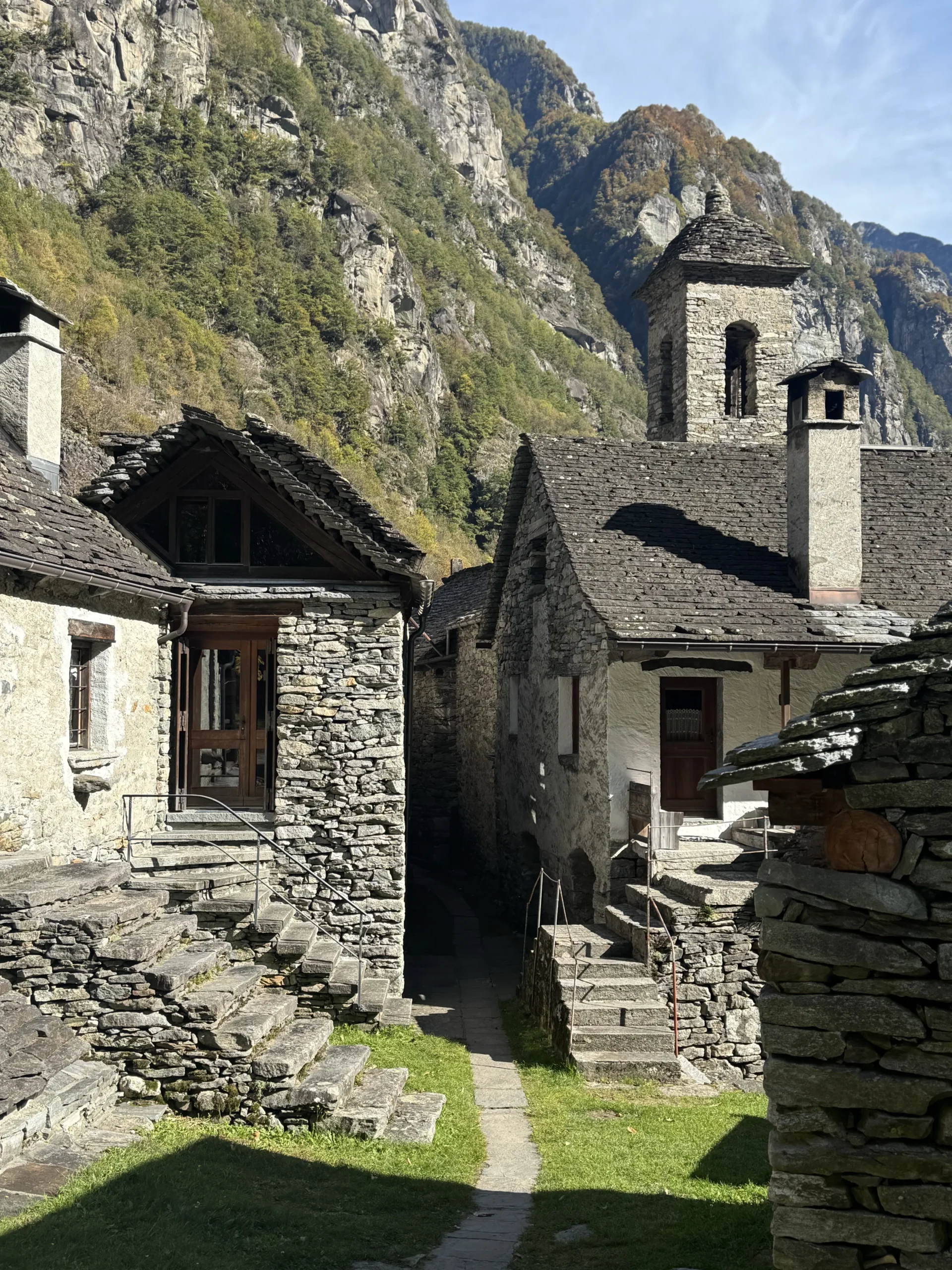
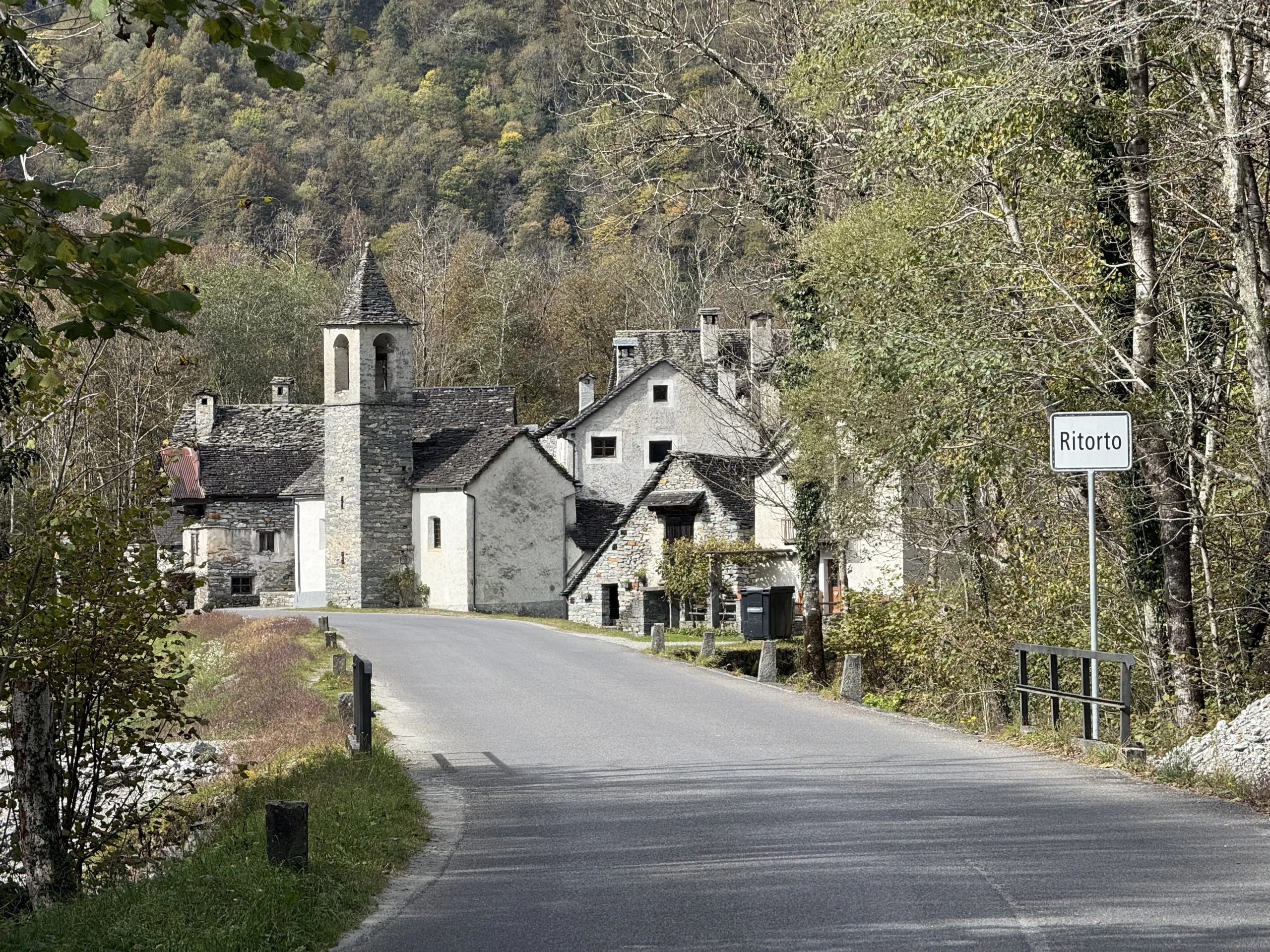
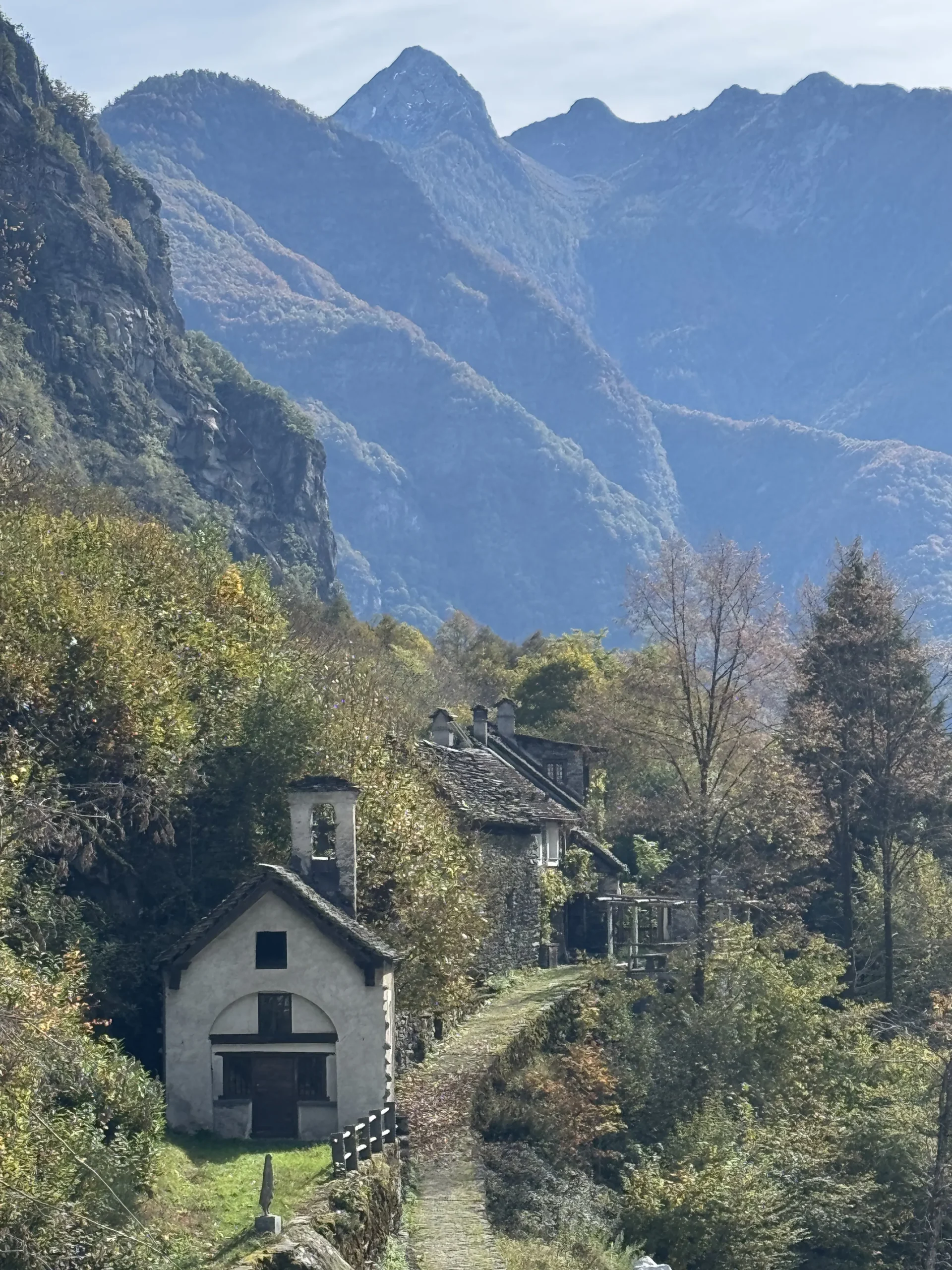
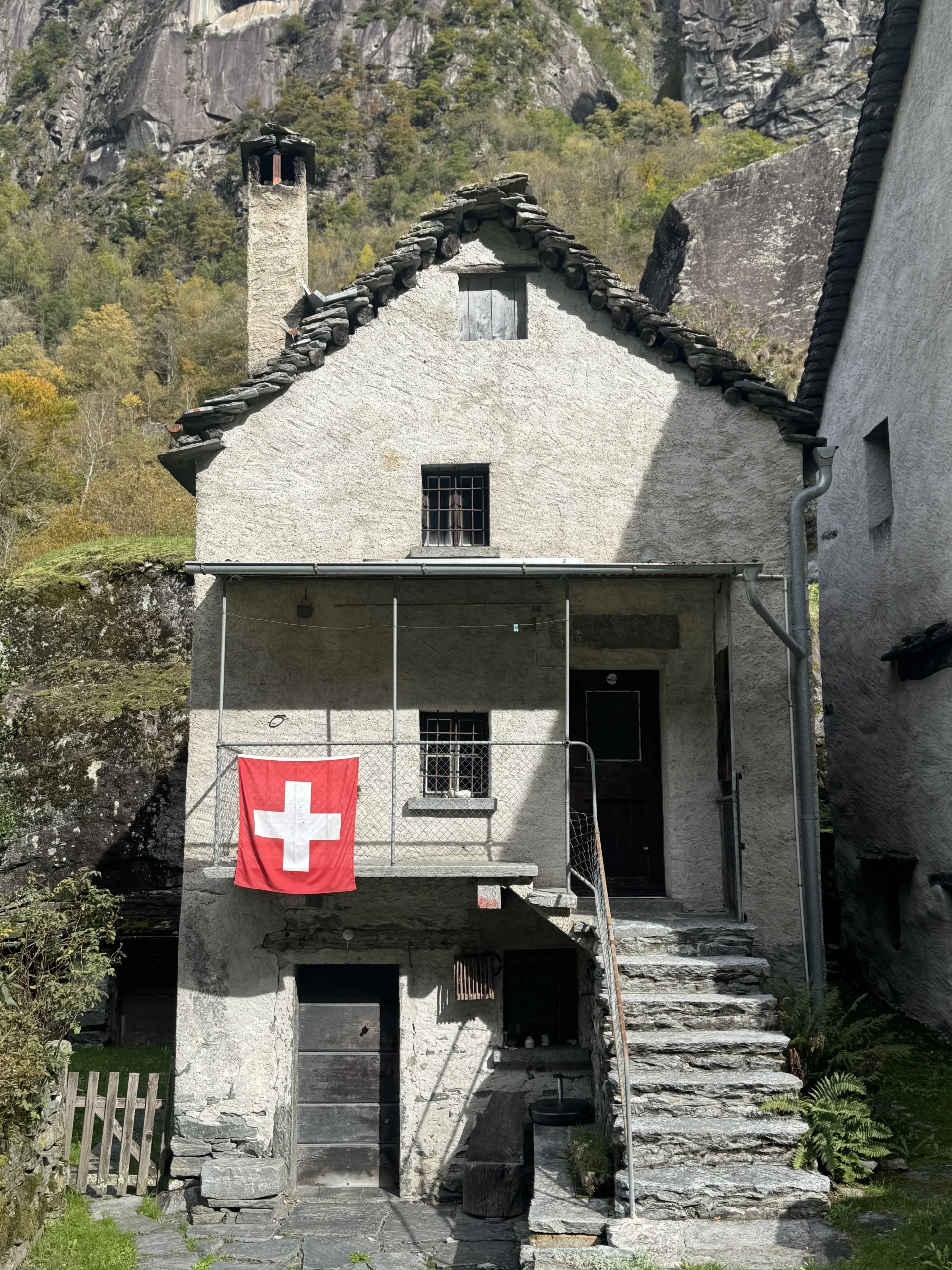
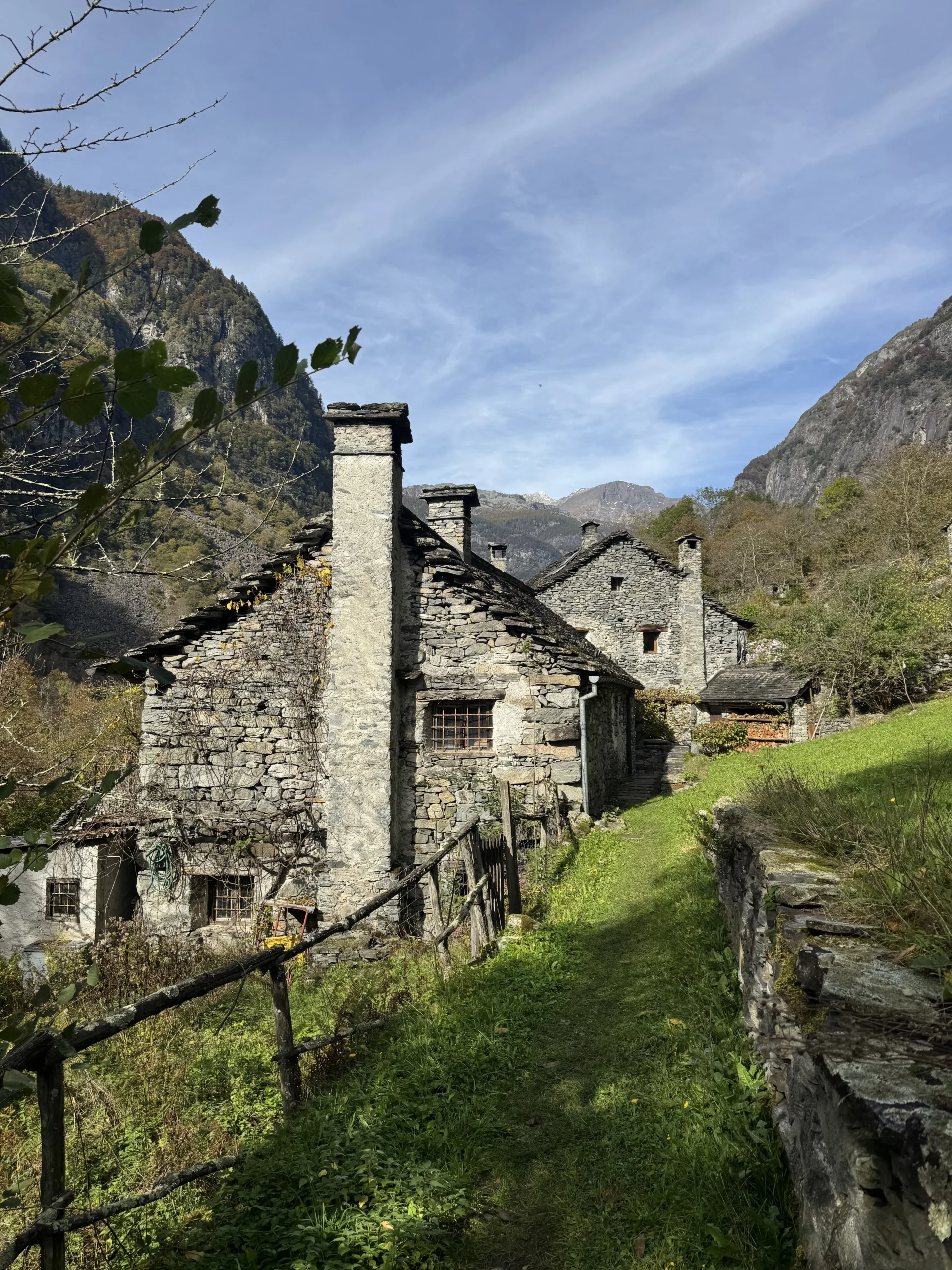
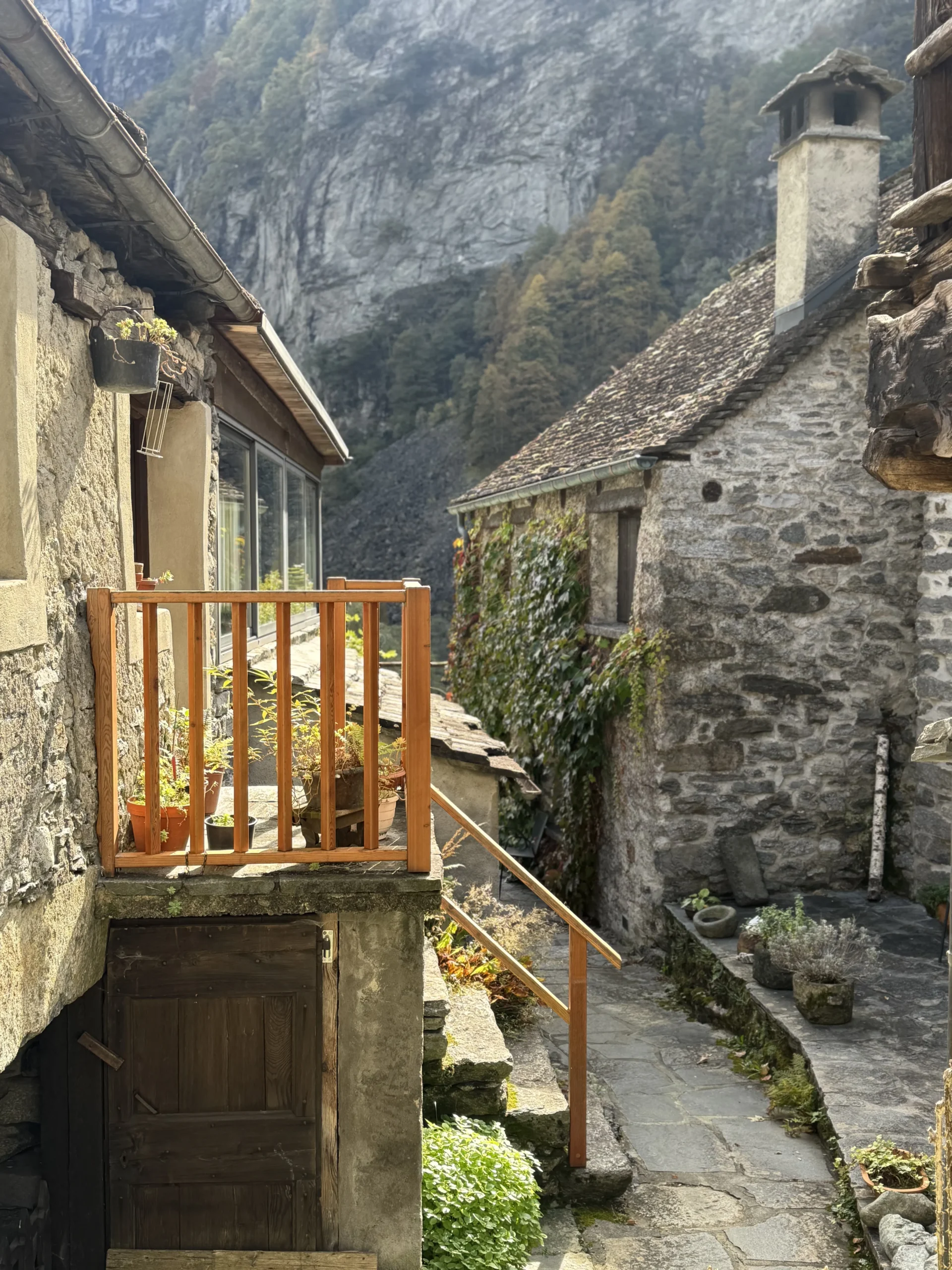
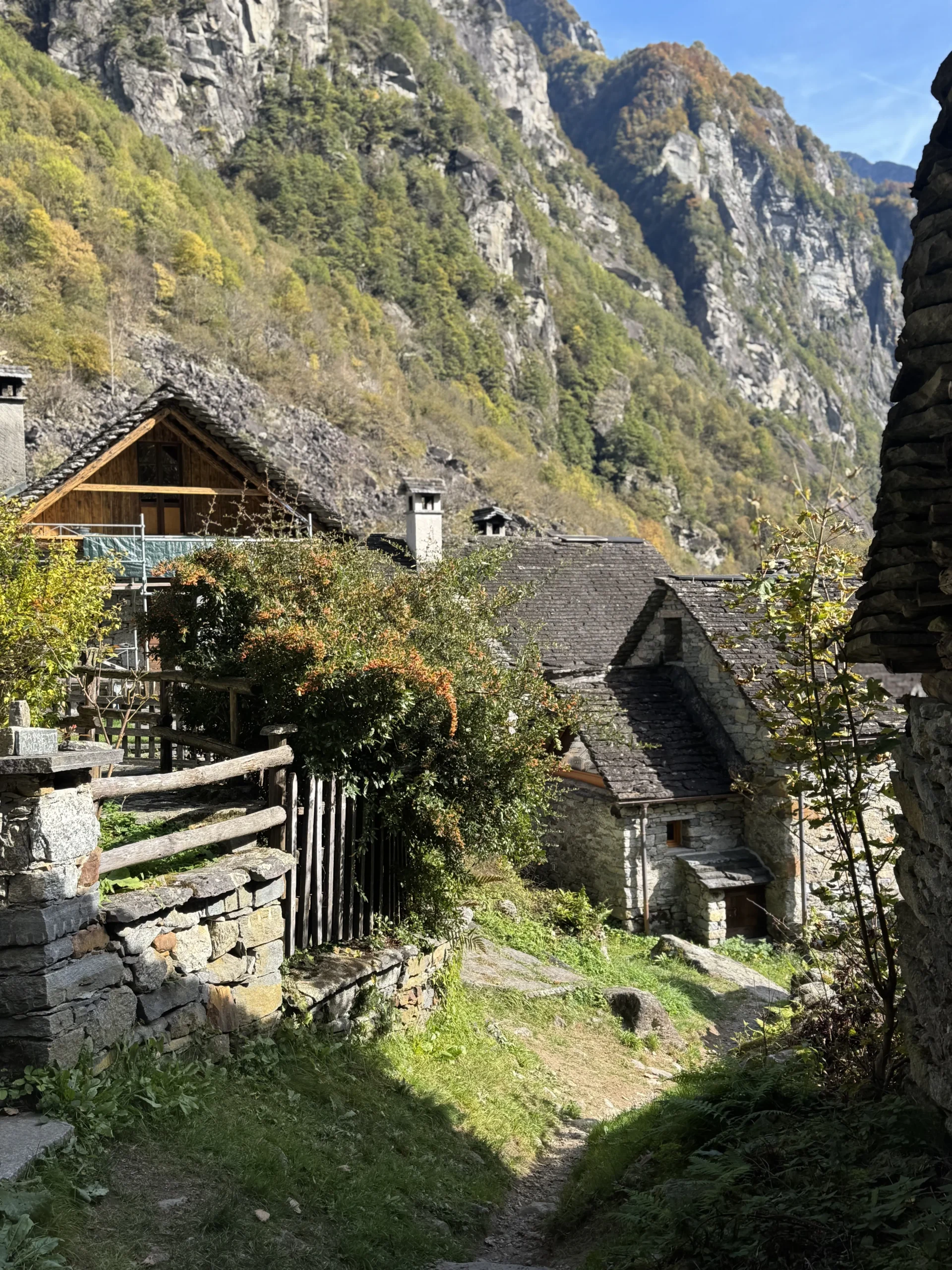
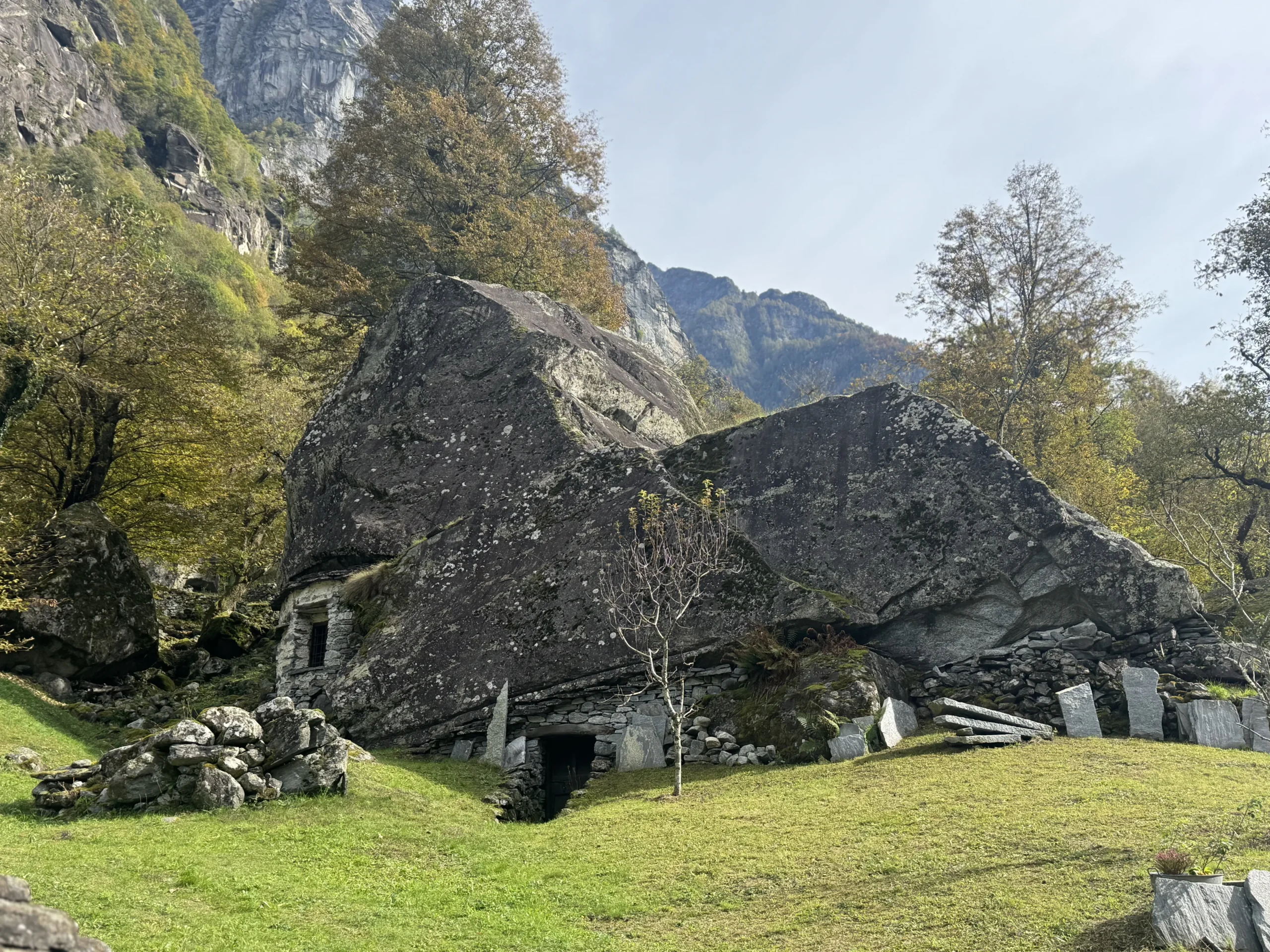
As we climbed higher, stone structures began appearing between the trees — the traditional rustici. These iconic houses were built from heavy granite, piece by piece, to resist falling rocks and violent storms. Some of them were once used as seasonal dwellings during transhumance, when families moved their livestock between valleys and alpine pastures. Standing in front of them feels like stepping into a history book with the pages left open.
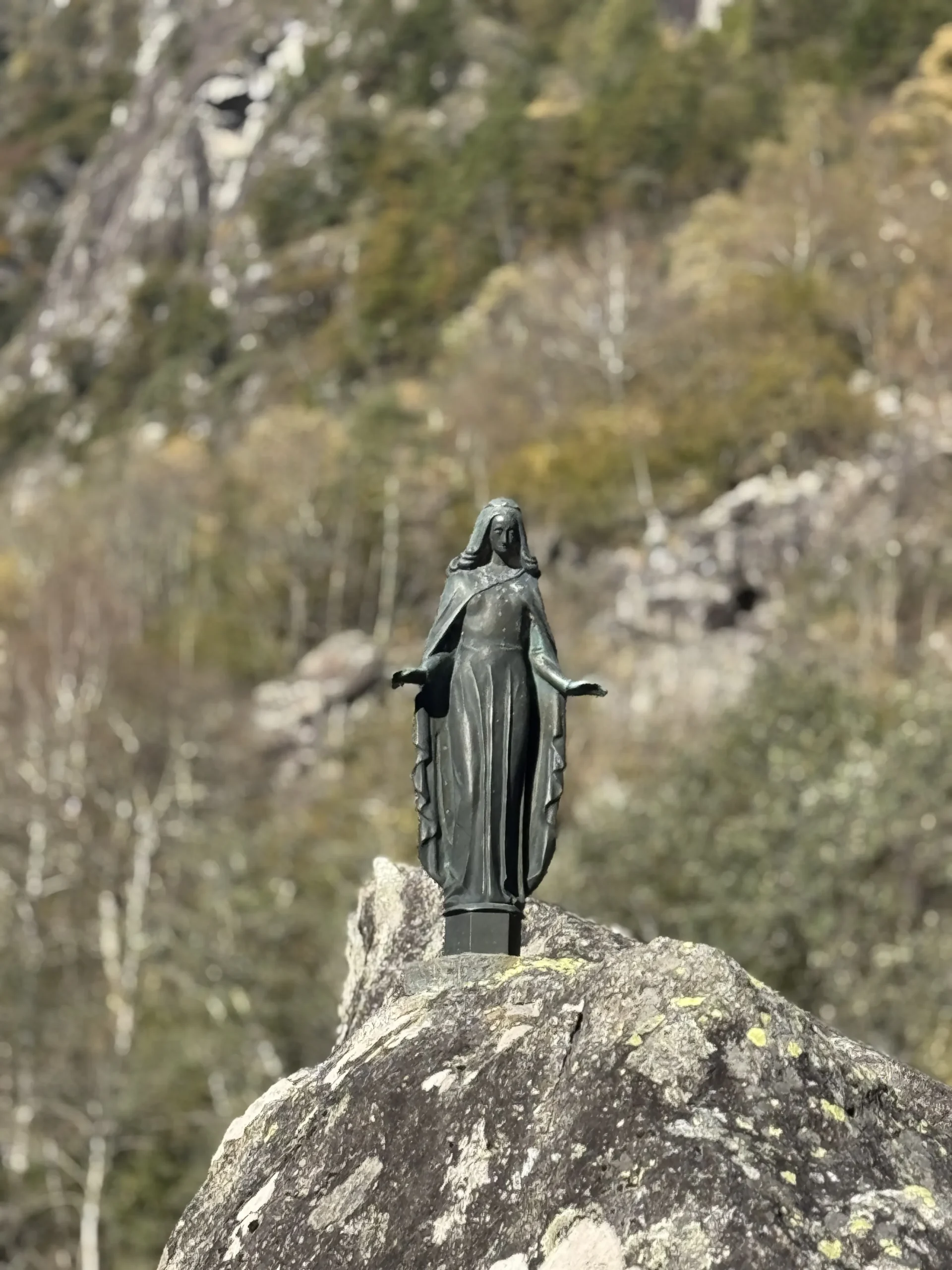
The path then wove through ancient terraces and narrow bridges, offering glimpses of abandoned mills and tiny chapels that seem impossibly remote. Many of these structures date back to the Middle Ages, reminders of how deeply human life was once connected to the mountains. In Bavona, nothing is decorative — everything was built for survival. And yet, in its raw simplicity, the valley is breathtakingly beautiful.
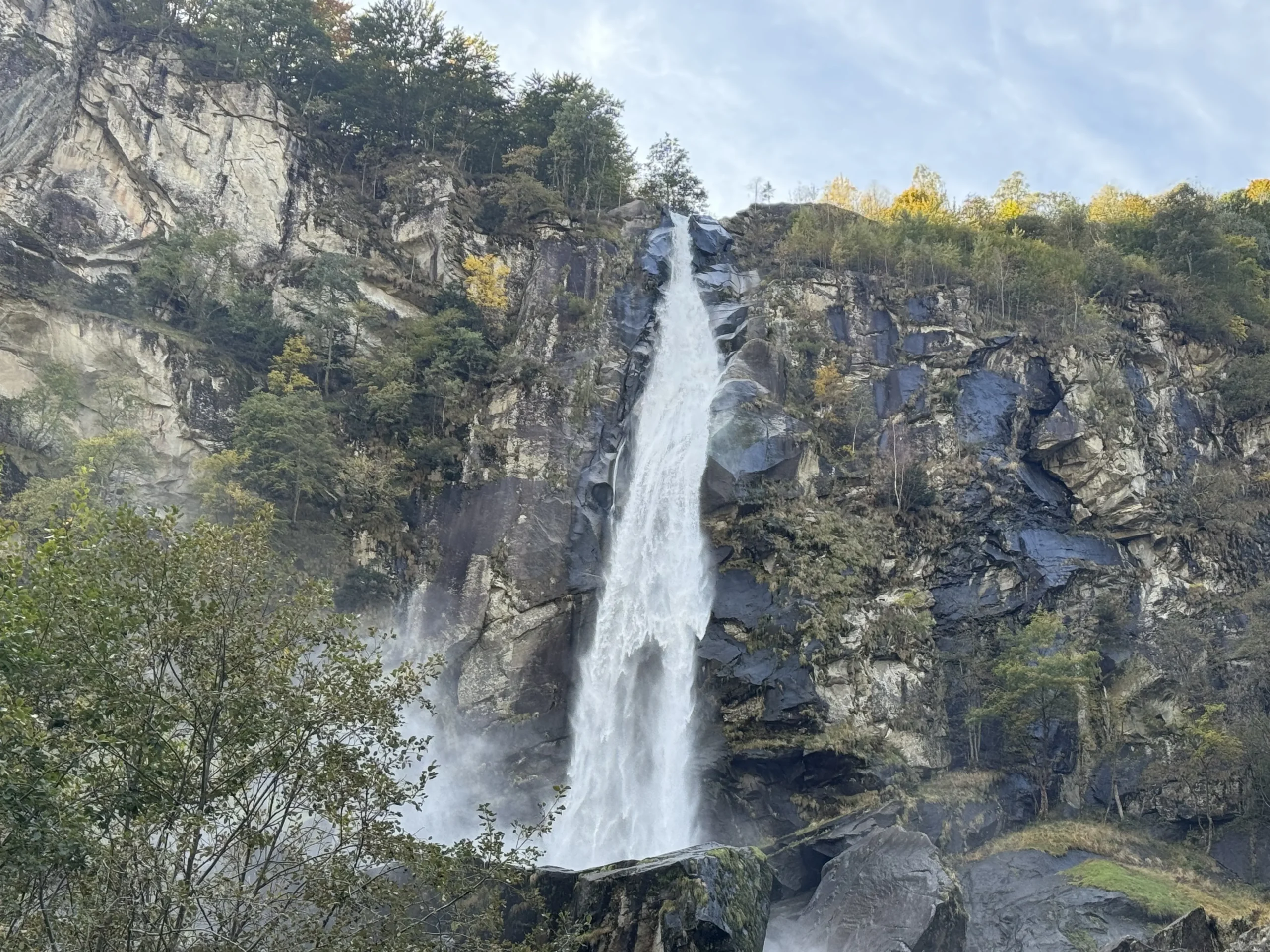
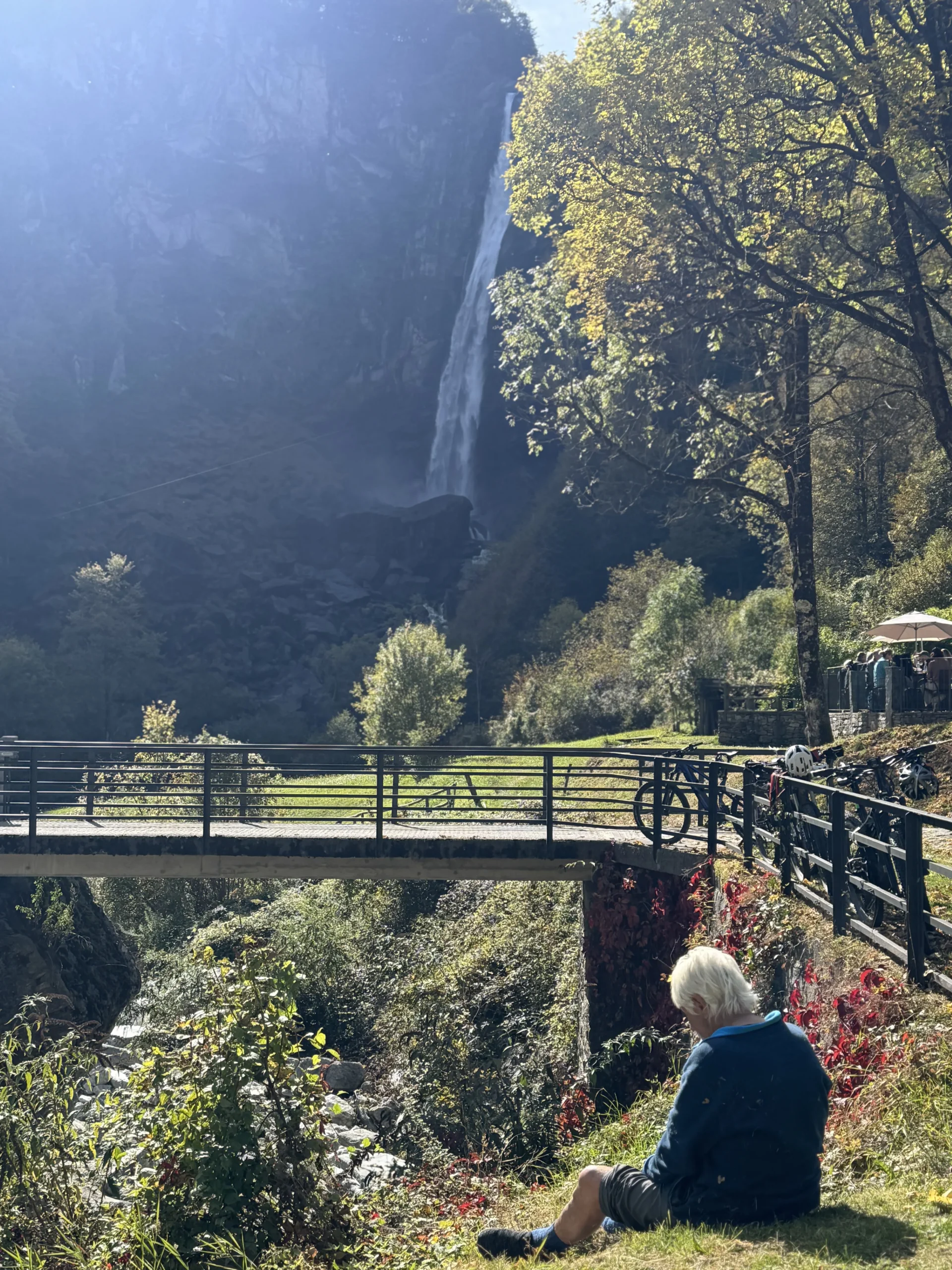
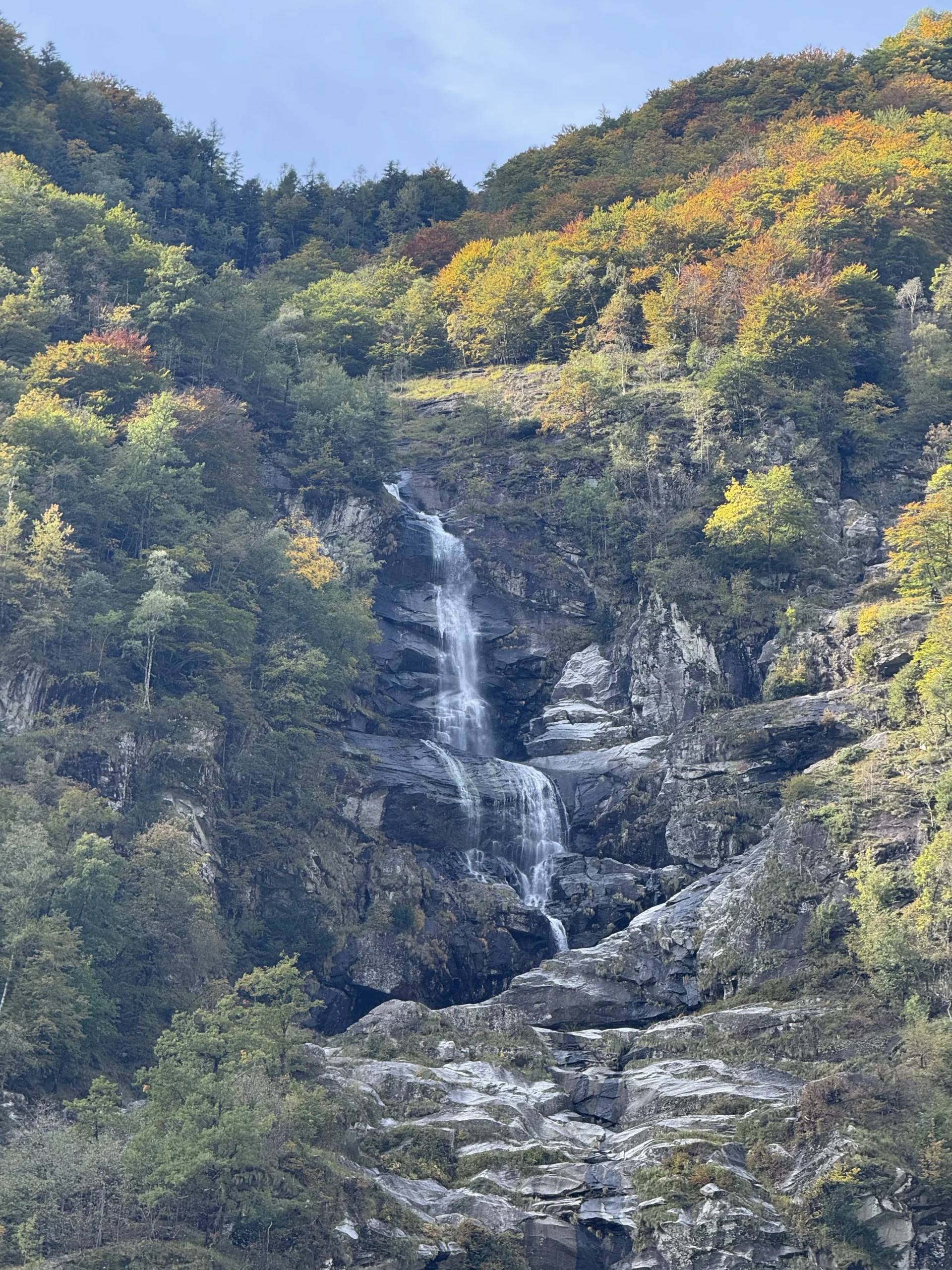
Arriving in Foroglio felt like walking straight into a legend. The village lies beneath the magnificent Cascata di Foroglio, an 80-meter waterfall that drops from a hanging valley above. Geologists believe this dramatic formation was created by retreating glaciers over 10,000 years ago. Today, the waterfall is one of Ticino’s natural icons, drawing visitors from around the world — yet Foroglio itself remains remarkably quiet, with fewer than 20 permanent residents.
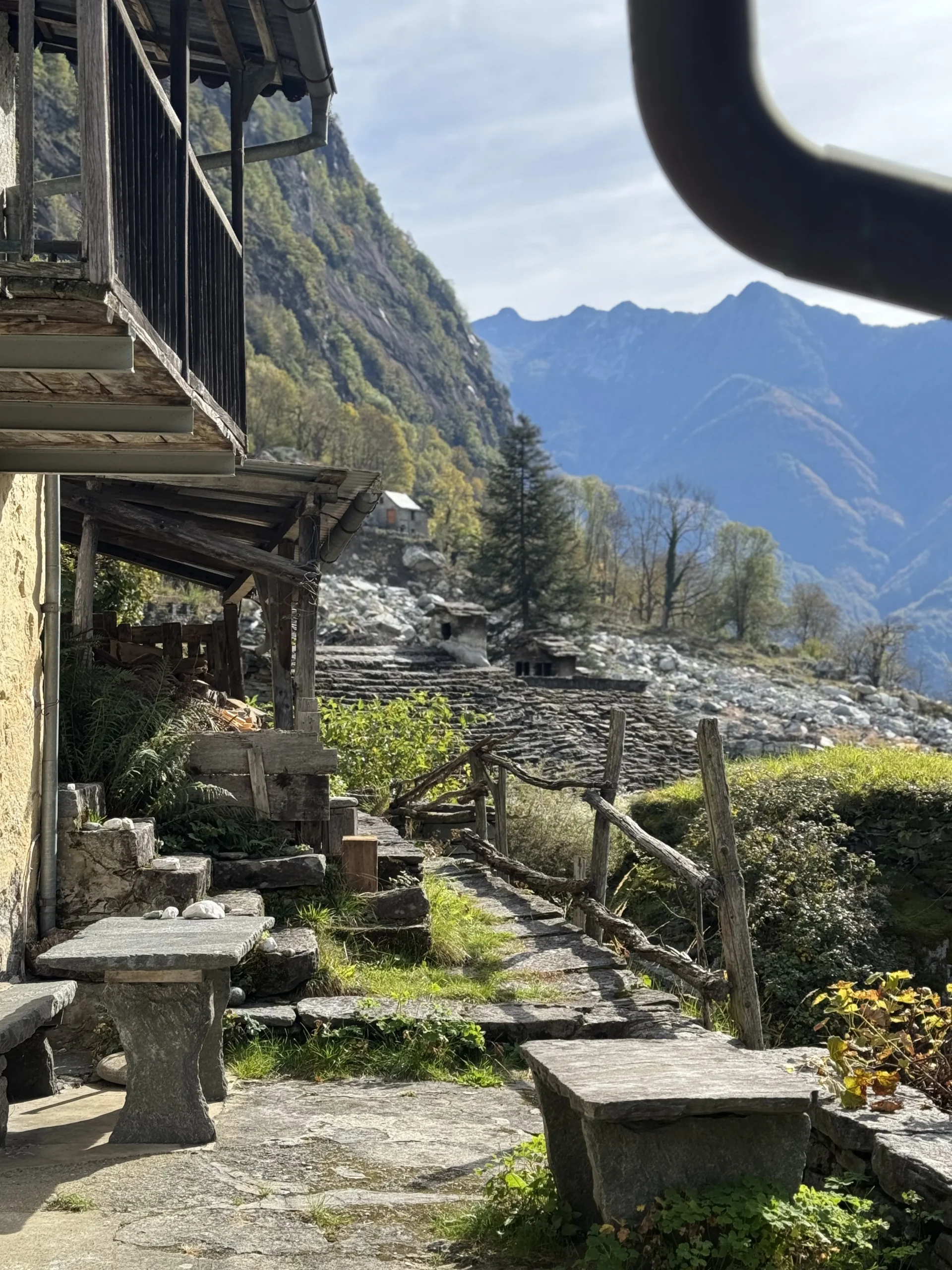
We wandered through the narrow alleys, their stone walls cool to the touch, listening to the roar of the waterfall echo through the village. Wooden balconies, tiny windows, and slate roofs give Foroglio a fairy-tale appearance, but its history is far from romantic: life here was once incredibly hard. Avalanches, rockfalls, isolation, and harsh winters shaped the community. The very existence of Foroglio is a testament to human resilience.
At the wooden bridge overlooking the waterfall, the scenery felt almost unreal — a perfect harmony of stone, water, and sky. It was the kind of moment that makes you slow down, breathe deeper, and simply absorb the world around you. Our journey from Cavergno to Foroglio became more than just a trail we walked. It became a quiet reminder that some places hold onto their ancient soul — and that if you walk far enough, you might just find it.
🌿 Facts about Cavergno, Foroglio & the Bavona Valley
Location: Cavergno and Foroglio lie in the remote Bavona Valley in Ticino — one of Switzerland’s wildest and least populated alpine valleys.
No Electricity: Most houses in the Bavona Valley still have no connection to the power grid, preserving centuries-old traditions of living in harmony with nature.
Cascata di Foroglio: The village of Foroglio is famous for its 80-meter waterfall, formed over 10,000 years ago as glaciers retreated.
Rustici: The valley is dotted with traditional stone houses called rustici, built to withstand rockfalls, storms, and harsh alpine winters.
Hanging Valley: Foroglio sits beneath a rare hanging glacial valley, which explains the dramatic vertical drop of its waterfall.
Rockfall Valley: Bavona is sometimes called the “valley of falling stones” due to its steep granite walls and frequent historical rockslides.
Summer Migration: For centuries, families practiced transhumance — moving livestock between the Bavona Valley and higher alpine pastures.
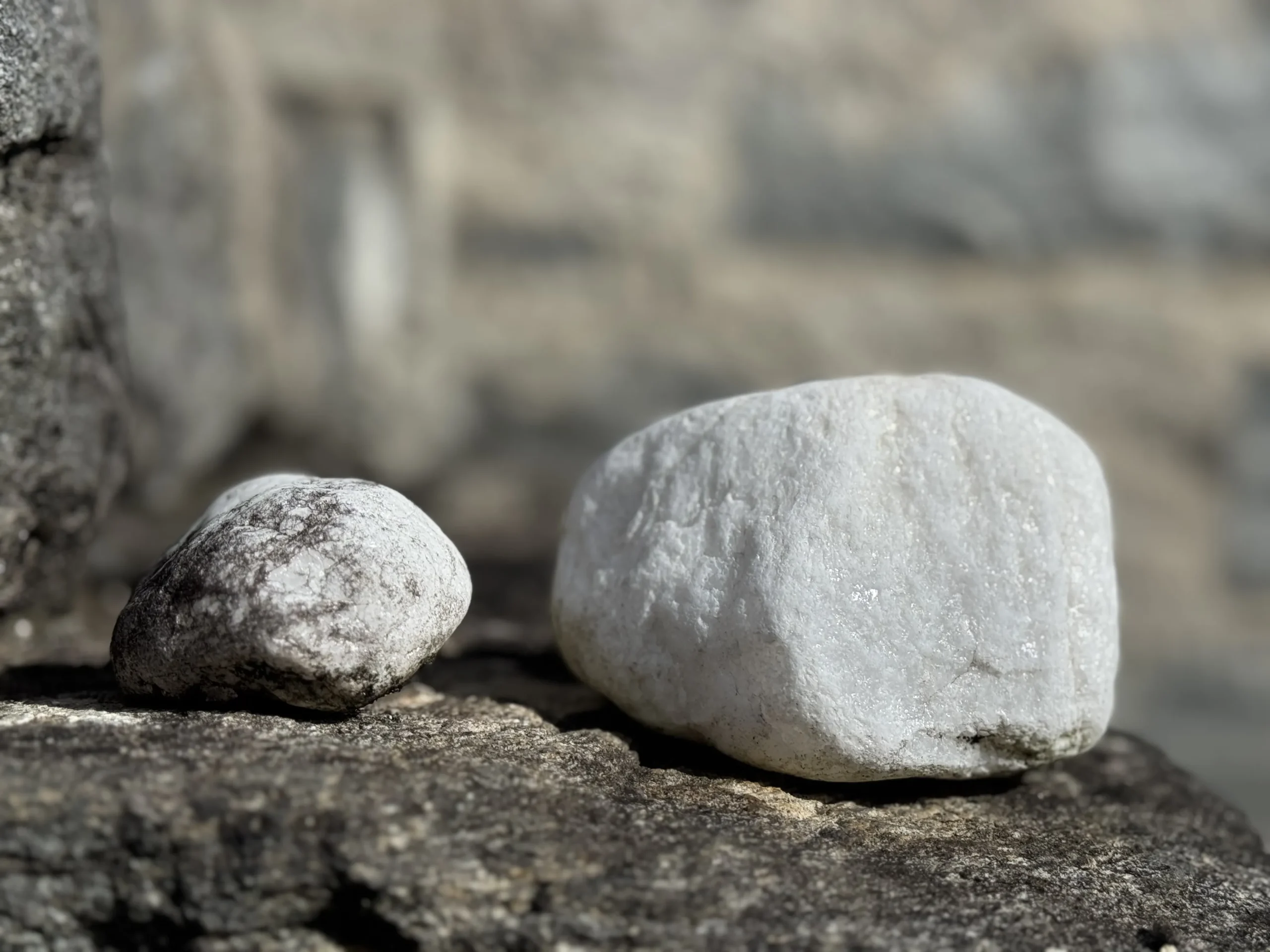
Granite Landscape: Massive boulders across the valley were left behind by the melting glaciers and are now part of its unique landscape.
Population: Foroglio has fewer than 20 permanent residents, giving it a fairy-tale silence and intimate atmosphere.
Trails: The hike from Cavergno to Foroglio is among Ticino’s most scenic routes, passing forests, waterfalls, ancient terraces, and stone bridges.
Є місця у Швейцарії, де час ніби сповільнюється, де сучасний світ стихає до ледь чутного шепоту, а природа знову повертає собі свій давній трон. Подорож від Кавердьйо до Форольйо — один із таких рідкісних досвідів: не просто похід, а крок у долину, сформовану льодовиками, бурями, водоспадами та століттями людської витривалості. Розташована в італомовній частині Швейцарії, Бавону часто називають «останньою по-справжньому дикою долиною Швейцарії», і щойно ступаєш на стежку — одразу розумієш чому.
Ранкове Cavergno зустріло нас тишею та прохолодою. Кам’яні стіни зберігали нічну прохолоду, а повітря було таким свіжим, немов після дощу. Лісова стежка одразу поглинула нас, ведучи крізь високі сосни та старезні камені, обвиті корінням. Сонячні промені пробивалися плямами світла, ніби відкриваючи шлях крізь густу зелену стіну.
З кожним кроком гул води ставав голоснішим. Водоспади супроводжували нас постійно — іноді ледь чутні, іноді такі потужні, що земля тремтіла. Долина Бавона знаменита тим, що в багатьох селах досі немає електрики: місцеві мешканці вирішили зберегти традиційний спосіб життя і повагу до сили природи, яка не раз нагадувала про свою владу суворими зсувами та паводками.
Незабаром стежка привела нас до rustici — традиційних кам’яних будинків, збудованих із місцевого граніту. Колись вони служили сховищами, літніми домівками чи пастушими оселями під час перегону худоби. Їх товсті стіни й сьогодні стоять майже в первісному вигляді, мовчазно згадуючи про століття нелегкого життя в горах.
Ми проходили повз тераси, що залишилися з часів, коли люди вирощували тут зерно та виноград, бачили залишки старих млинів та маленькі каплички, сховані між каменями. Життя в Бавоні ніколи не було легким: часті каменепади примушували людей будувати надійно, продумано і з великою повагою до ландшафту.
І ось, після кількох годин шляху, ми опинилися перед Foroglio. Це місце виглядає так, ніби вийшло з казки: маленьке кам’яне село, зібране з ідеально складених плит, розташоване під величезним 80-метровим водоспадом Cascata di Foroglio. Він утворився тисячі років тому, коли льодовики відступили, залишивши за собою величезні скелі та нависаючі тераси.
Foroglio має менше ніж 20 мешканців, але чарівності тут більше, ніж у деяких містах. Ми йшли вузькими вуличками, торкаючись старих стін, слухали водоспад та уявляли життя людей, які колись щодня стикалися з силою стихій. Ця тиша, змішана з гуркотом води, створює дивовижну атмосферу — спокійну, глибоку, майже позачасову.
Коли ми стояли на містку, що виходить на водоспад, світ здався дуже простим і дуже великим водночас. Подорож із Cavergno до Foroglio стала не просто прогулянкою — вона стала подорожжю в минуле, у світ, що досі зберігає свою первинну душу.
🌿 Факти про Cavergno, Foroglio та долину Бавона
Локація: Cavergno і Foroglio розташовані у віддаленій долині Бавона у Тичино — одному з найбільш диких і малонаселених альпійських регіонів Швейцарії.
Без електрики: Більшість будинків у долині досі не під’єднані до електромережі, що зберігає традиційний спосіб життя, сформований століттями.
Cascata di Foroglio: Селище Foroglio відоме своїм 80-метровим водоспадом, який утворився понад 10 000 років тому після відступу льодовиків.
Rustici: Долина всіяна традиційними кам’яними будиночками rustici, зведеними для захисту від каменепадів, буревіїв і суворих зим.
Підвісна долина: Foroglio розташовано під висячою льодовиковою долиною, завдяки чому водоспад має такий різкий і вражаючий перепад висоти.
Долина каменепадів: Бавону інколи називають «долиною падаючих каменів» через круті гранітні стіни та історичні обвали.
Літні міграції: Протягом століть мешканці долини практикували трансгумацію — літню міграцію худоби до високогірних пасовищ.
Гранітні валуни: Величезні камені, розкидані долиною, залишилися після танення льодовиків і стали частиною її унікального ландшафту.
Населення: У Foroglio живе менше ніж 20 постійних жителів, що створює атмосферу тиші та майже казкової відокремленості.
Маршрути: Похід від Cavergno до Foroglio — один із найживописніших у Тичино: ліси, водоспади, старовинні мости та гірські тераси.
Es gibt Orte in der Schweiz, an denen die Zeit weicher zu werden scheint, an denen die moderne Welt zu einem leisen Flüstern verblasst und die Natur ihren alten Thron zurückerobert. Die Wanderung von Cavergno nach Foroglio gehört zu diesen seltenen Erlebnissen – nicht nur ein Spaziergang, sondern ein Schritt in ein Tal, das von Gletschern, Stürmen, Wasserfällen und Jahrhunderten menschlicher Ausdauer geformt wurde. Im italienischsprachigen Teil der Schweiz gelegen, wird das Val Bavona oft als „das letzte wirklich wilde Tal der Schweiz“ bezeichnet – und sobald man den ersten Schritt auf den Weg setzt, versteht man warum.
Der Morgen in Cavergno war frisch und ruhig. Die massiven Steinmauern der Häuser hielten die Kühle der Nacht fest, und der Duft von feuchtem Moos lag in der Luft. Der Pfad führte uns sofort hinein in einen Wald, in dem Wurzeln über Felsen wachsen und das Licht nur in schmalen, goldenen Streifen den Boden berührt. Jeder Schritt fühlte sich an, als würden wir tiefer in eine Welt eintreten, die älter ist als Geschichten.
Bald begleitete uns das Rauschen des Wassers. Das Bavonatal ist berühmt für seine Wasserfälle — klein, gross, sanft, donnernd. Die geologische Struktur des Tals erklärt vieles: Steile Granitwände und ein extrem enges Relief sorgten dafür, dass viele Dörfer bis heute keinen Strom haben. Die Bewohner entschieden sich bewusst dafür, die Natur nicht zu zähmen, sondern mit ihr zu leben.
Zwischen Bäumen und Felsen tauchten die ersten Rustici auf — traditionelle Steinhäuser, die seit Jahrhunderten denselben Ort bewachen. Sie wurden gebaut, um Felsstürzen und Lawinen standzuhalten, und viele von ihnen dienten früher als einfache Sommerunterkünfte für Bauern und Hirten.
Der Weg führte uns an alten Terrassen vorbei, durch schmale Holzbrücken und entlang der Überreste von Mühlen, die einst das Zentrum des Lebens waren. Kleine Kapellen standen verloren an den Hängen, als hätten sie schon Generationen vorbeiziehen sehen. Das Bavonatal erzählt seine Geschichte nicht über Museen — es erzählt sie über Steine, Holz und Wasser.
Als wir schliesslich Foroglio erreichten, fühlte es sich an wie ein Tor zu einer anderen Zeit. Das Dorf liegt direkt unter dem imposanten Cascata di Foroglio, einem 80 Meter hohen Wasserfall, der aus einer hängenden Nebenmulde herabstürzt. Seit Jahrtausenden gestaltet er die Landschaft, schleift Felsen ab und erfüllt das Dorf mit seinem tiefen, rhythmischen Klang.
Die engen Gassen, die steinernen Dächer, die kleinen Fenster — alles in Foroglio wirkt wie aus einem Märchenbuch. Doch seine Geschichte ist rauer: Die Menschen hier lebten früher unter schwierigen Bedingungen, weit entfernt von Komfort oder Sicherheit. Ihre Häuser und Wege sind Denkmäler ihrer Ausdauer.
Auf der hölzernen Brücke vor dem Wasserfall blieb die Zeit für uns tatsächlich stehen. Der Nebel des Wassers, das Licht auf den Steinen, die Stille zwischen den Tropfen — all das machte die Wanderung zu etwas Grösserem als einer Route. Es war eine Reise in den Kern eines alten, lebendigen Tales.
🌿 Fakten über Cavergno, Foroglio & das Bavonatal
Lage: Cavergno und Foroglio liegen im abgelegenen Bavonatal im Tessin — einem der wildesten und dünn besiedelsten Alpentäler der Schweiz.
Ohne Strom: Viele Häuser im Bavonatal sind bis heute nicht ans Stromnetz angeschlossen — ein bewusst gepflegter Teil der traditionellen Lebensweise.
Cascata di Foroglio: Foroglio ist berühmt für seinen 80-Meter-Wasserfall, der vor über 10.000 Jahren durch den Rückzug der Gletscher entstand.
Rustici: Die Täler sind geprägt von traditionellen Steinhäusern, den Rustici, die seit Jahrhunderten Felsstürzen, Unwettern und strengen Wintern trotzen.
Hängendes Tal: Über Foroglio liegt ein hängendes Gletschertal, das den dramatischen Höhenunterschied des Wasserfalls erklärt.
Tal der Steinschläge: Das Bavonatal wird oft „Tal der fallenden Steine“ genannt, da seine steilen Granitwände historisch zu Felsstürzen führten.
Sommerwanderung: Über Jahrhunderte betrieben die Bewohner Transhumanz — die saisonale Wanderung mit dem Vieh zu höher gelegenen Alpen.
Granitblöcke: Die grossen Felsbrocken im Tal stammen aus der letzten Eiszeit und prägen bis heute die wilde Landschaft.
Bevölkerung: In Foroglio leben weniger als 20 ständige Einwohner, was dem Dorf eine stille, märchenhafte Atmosphäre verleiht.
Wanderwege: Die Route von Cavergno nach Foroglio gehört zu den schönsten Wanderungen im Tessin — mit Wäldern, Wasserfällen, Terrassen und alten Steinbrücken.
 ©Every Mile Story
 ©Every Mile Story
 ©Every Mile Story
 ©Every Mile Story
 ©Every Mile Story
 ©Every Mile Story
 ©Every Mile Story
 ©Every Mile Story
 ©Every Mile Story
 ©Every Mile Story
 ©Every Mile Story
 ©Every Mile Story
 ©Every Mile Story
 ©Every Mile Story
 ©Every Mile Story
 ©Every Mile Story
 ©Every Mile Story
 ©Every Mile Story
 ©Every Mile Story
 ©Every Mile Story
 ©Every Mile Story