When the Chernobyl nuclear disaster happened, I wasn’t even three years old.
I grew up a bit later — already in a country where people knew about it, but didn’t always talk about it out loud. Like any Soviet schoolchild, I didn’t fully understand what had actually happened. It was something distant, almost abstract — the word “Chernobyl” existed, but it had no shape, no smell, no real feeling. As I grew older, everything changed. First came interest. Then — questions. Then — the desire to understand what really happened that night… What is Pripyat — a ghost town or simply a forgotten place? What does life there look like now, if it can even be called life? And many years later, I found myself there. In a place where time has stopped.
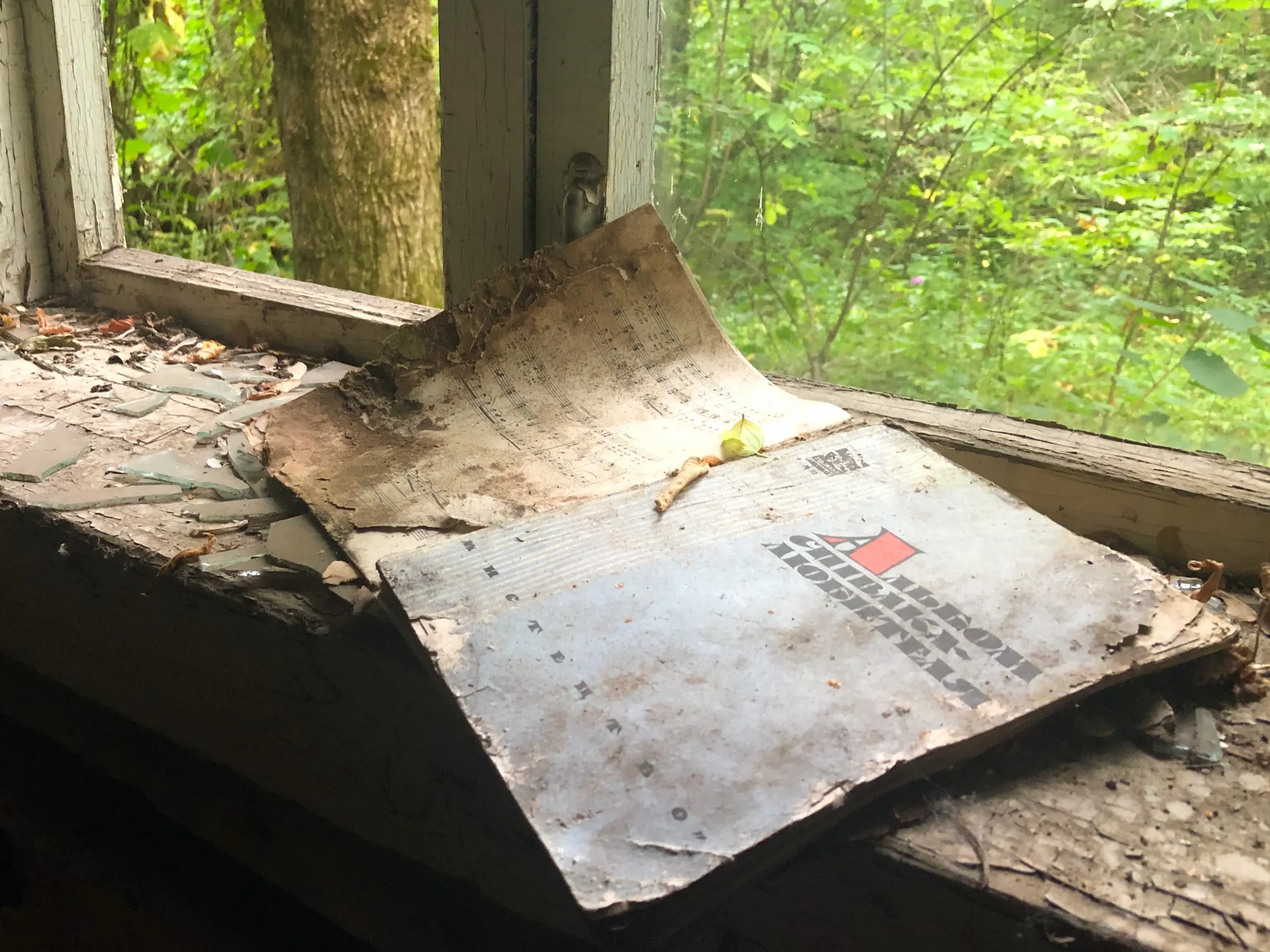
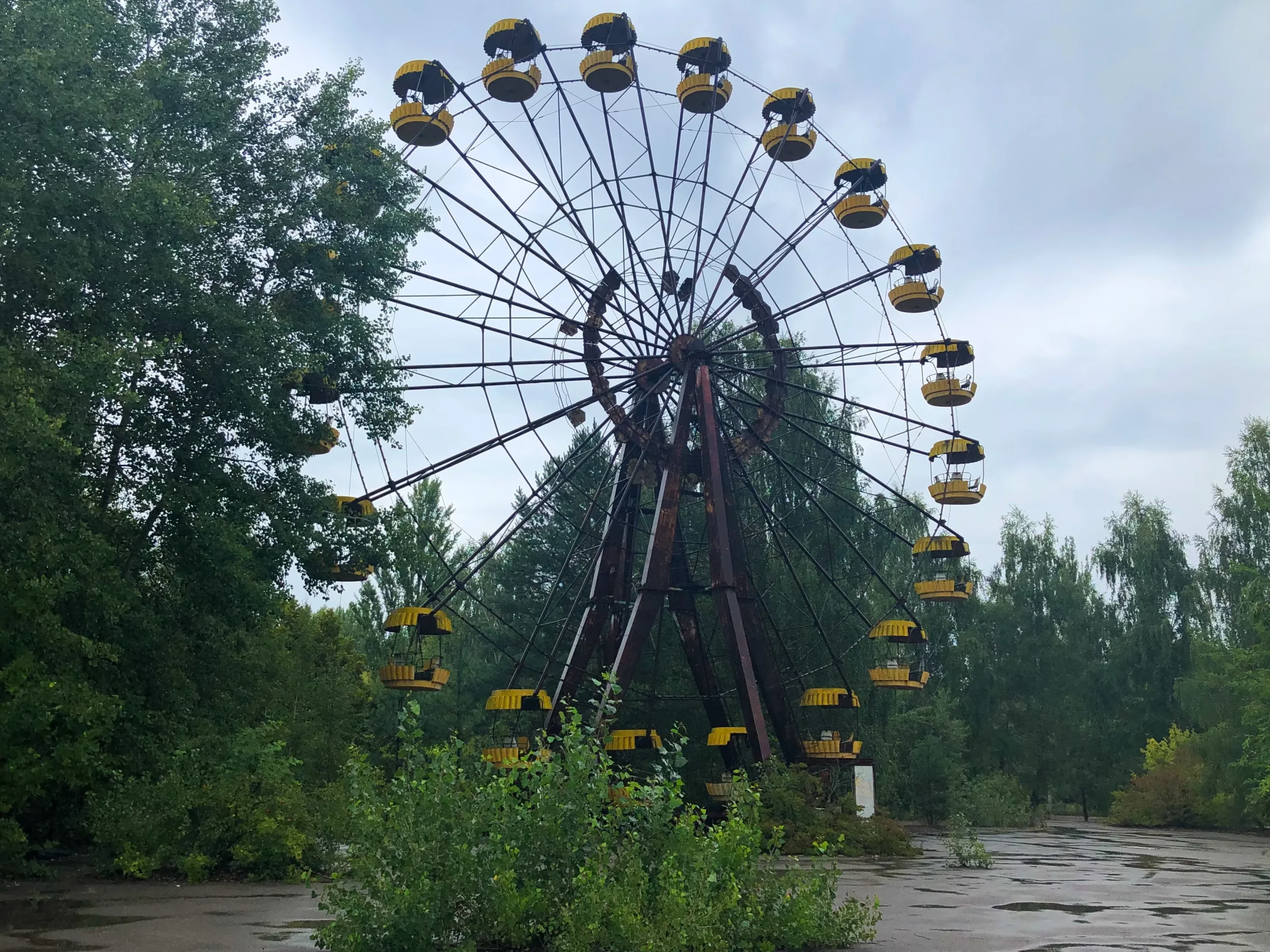
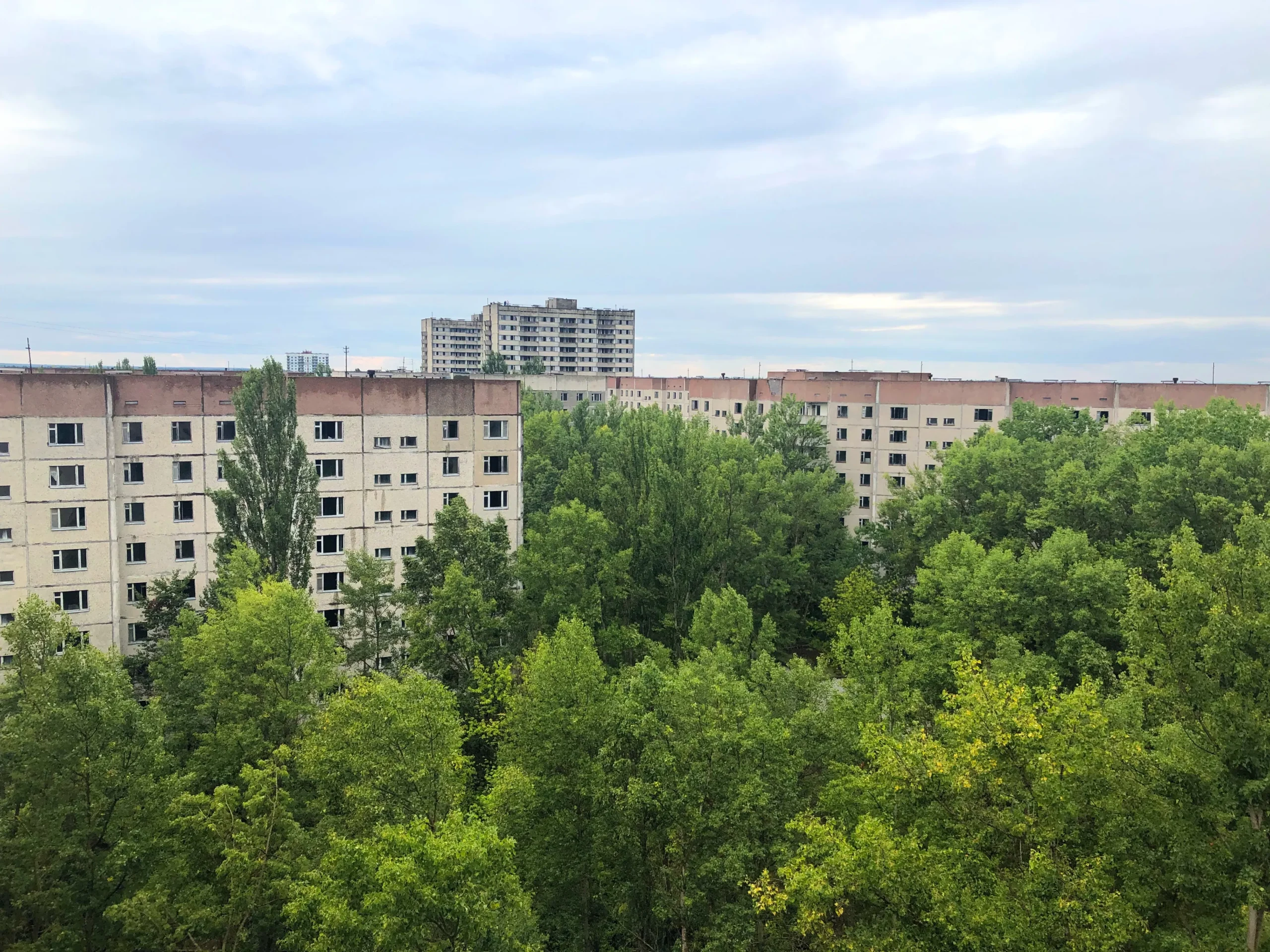
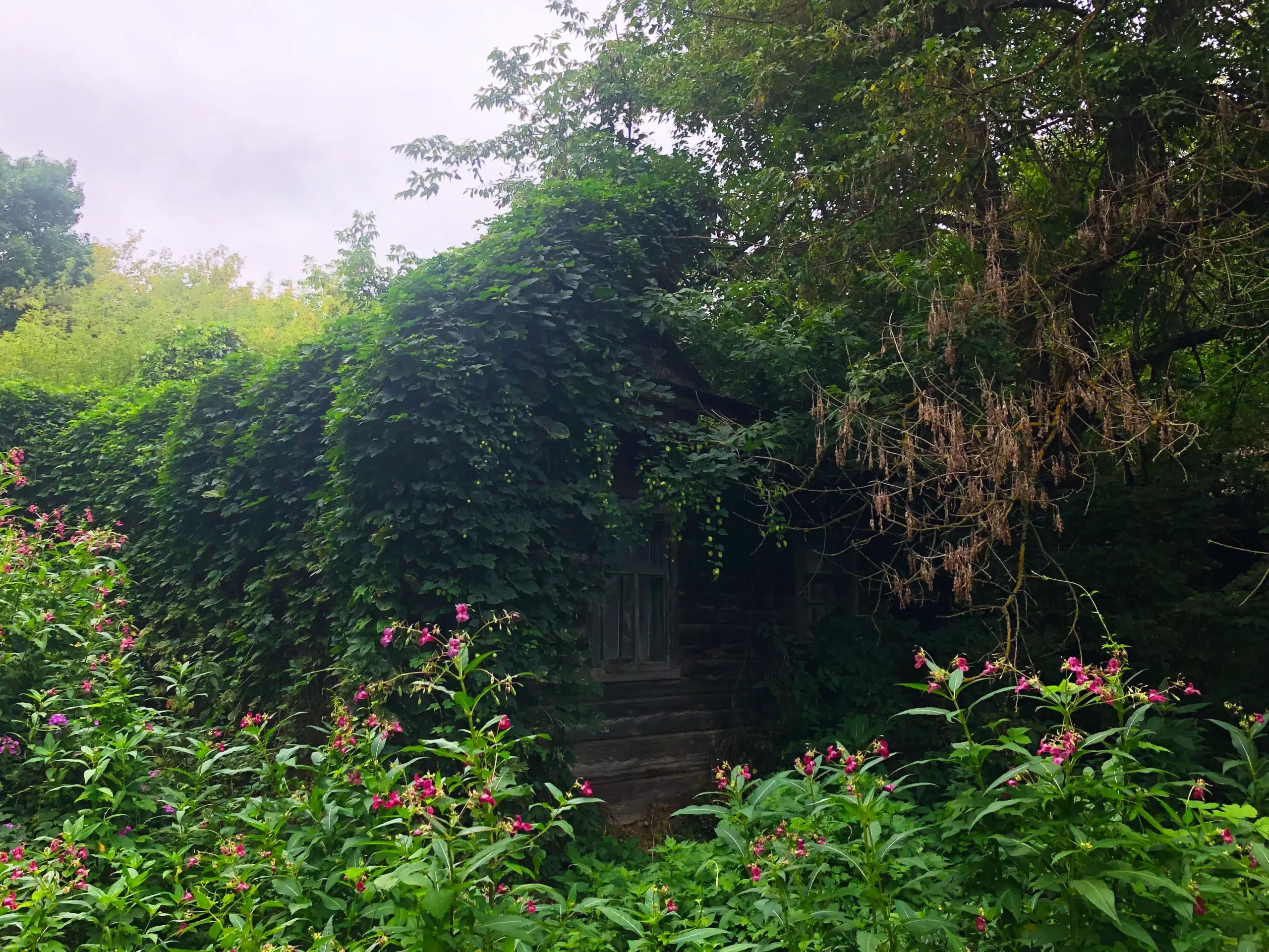
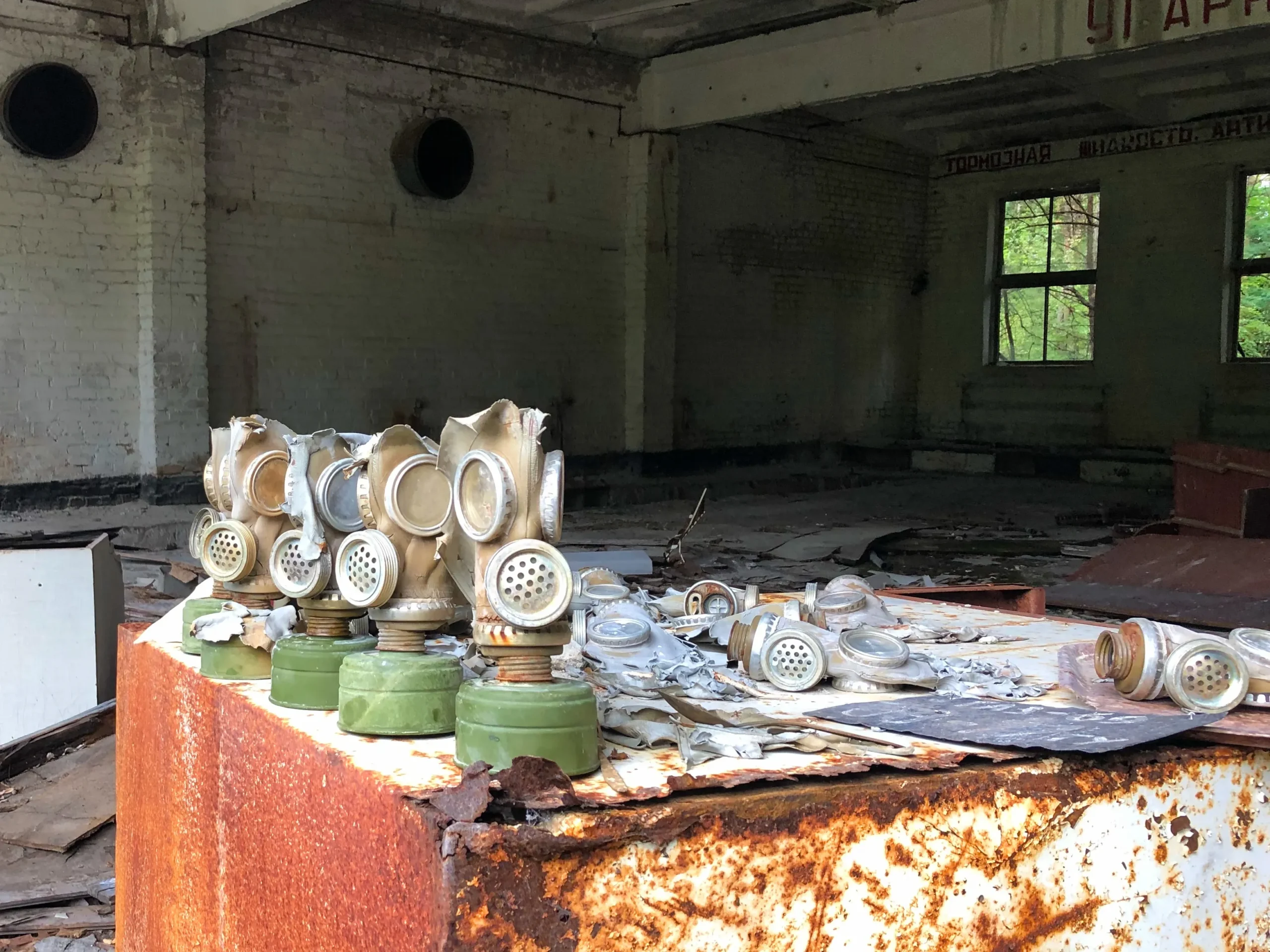
The first thing that struck me was the strange combination of life and death. Nature has taken over here. Trees grow through concrete, roads disappear under grass, buildings slowly dissolve into greenery. But among this “living” nature — there are things you cannot ignore. Abandoned cars… Open apartments… Rusty beds… Belongings of the liquidators… And… toys. These toys are the hardest to see. Small dolls, stuffed animals, children’s figures, left as if a child had just stepped out for a minute and would return soon. But no one returned. We walked through apartments. Climbed onto the roofs of buildings. Looked into rooms where wardrobes, books, dishes still remain. Sometimes it felt like someone still lives here — you just can’t see them. And at some point, a strange feeling appears — not just curiosity, but a quiet fear. Not panic, but something deeper. As if you are somewhere you’re not supposed to be.
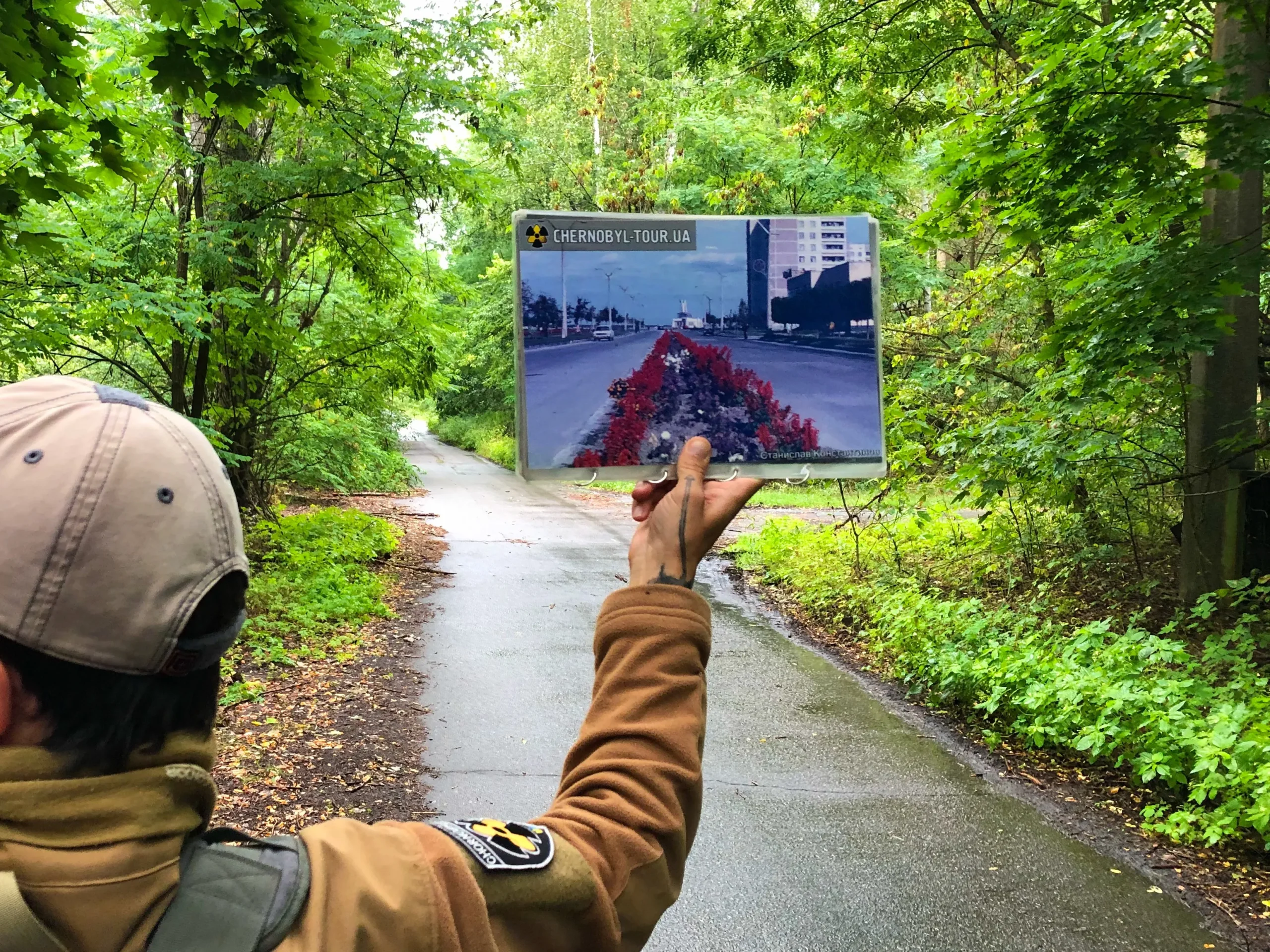
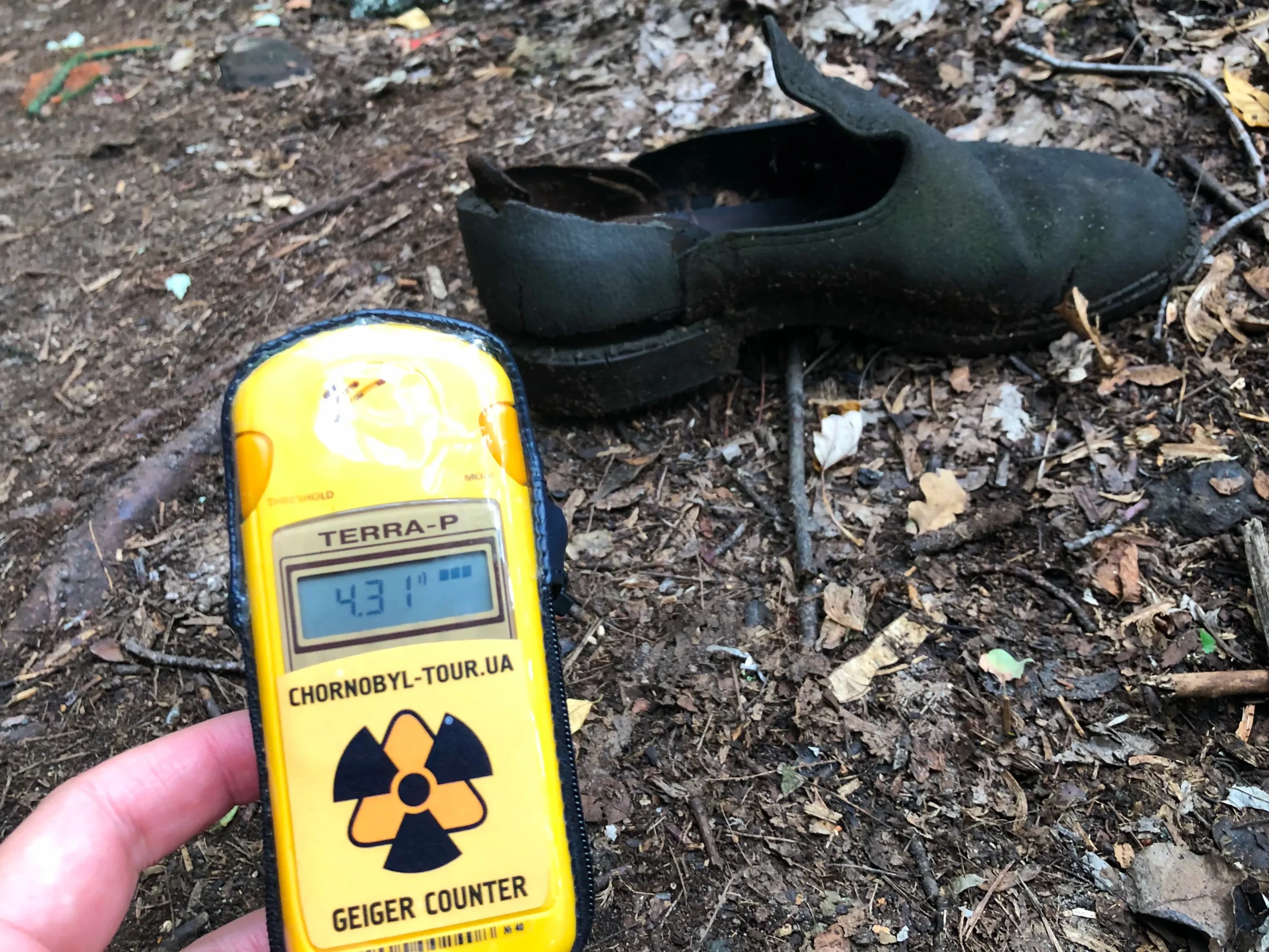
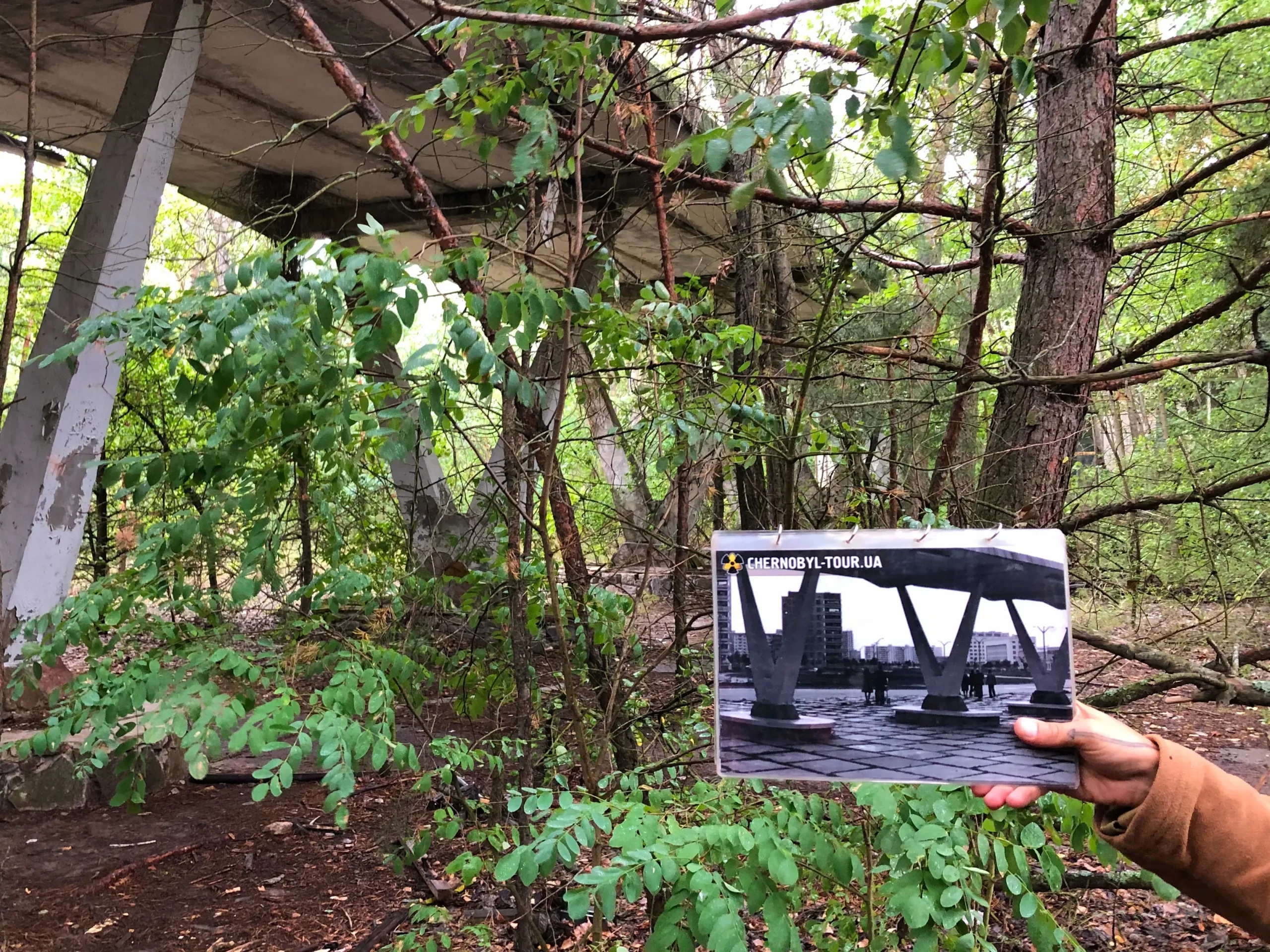
We had a personal device with us — a dosimeter. It quietly accompanied us, sometimes almost silent… and sometimes it would suddenly start beeping. And then you understood: better not stay here too long. That sound is a reminder that the danger here is invisible. It has no smell, no color — but it is there. We compared photos of the past and the present. In one — a living city, people, flowers, cars. In the other — the same streets, but empty, overgrown, forgotten. And the strangest thing — everything is recognizable. But everything is different. On the territory of the station, we visited the canteen. And this was probably one of the most unexpected moments of the whole trip. After everything we had seen — a regular meal. And it was… tasty. So ordinary that it even felt a bit unsettling. The contrast between normal life and a place where one of the biggest disasters in human history happened.
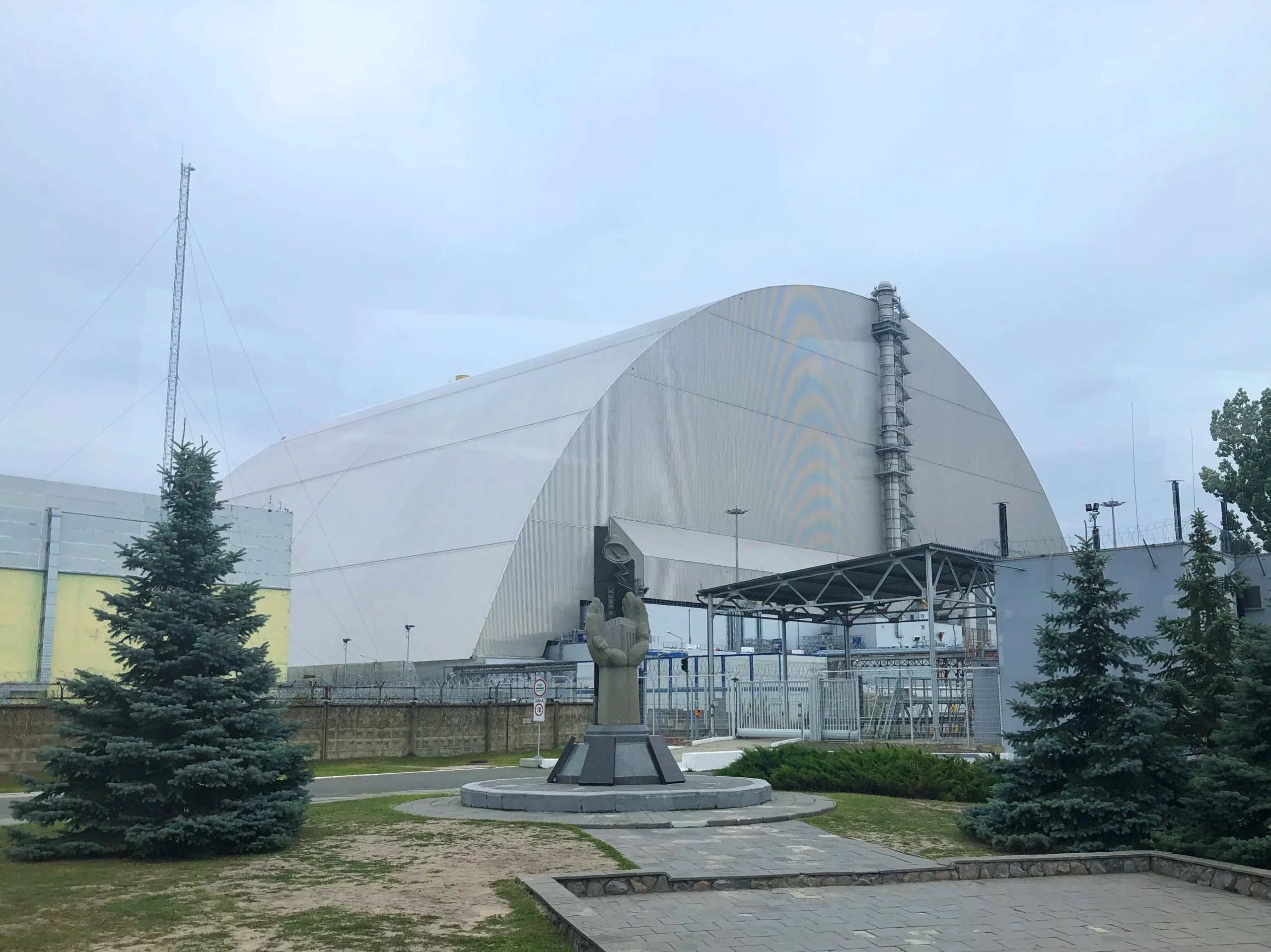
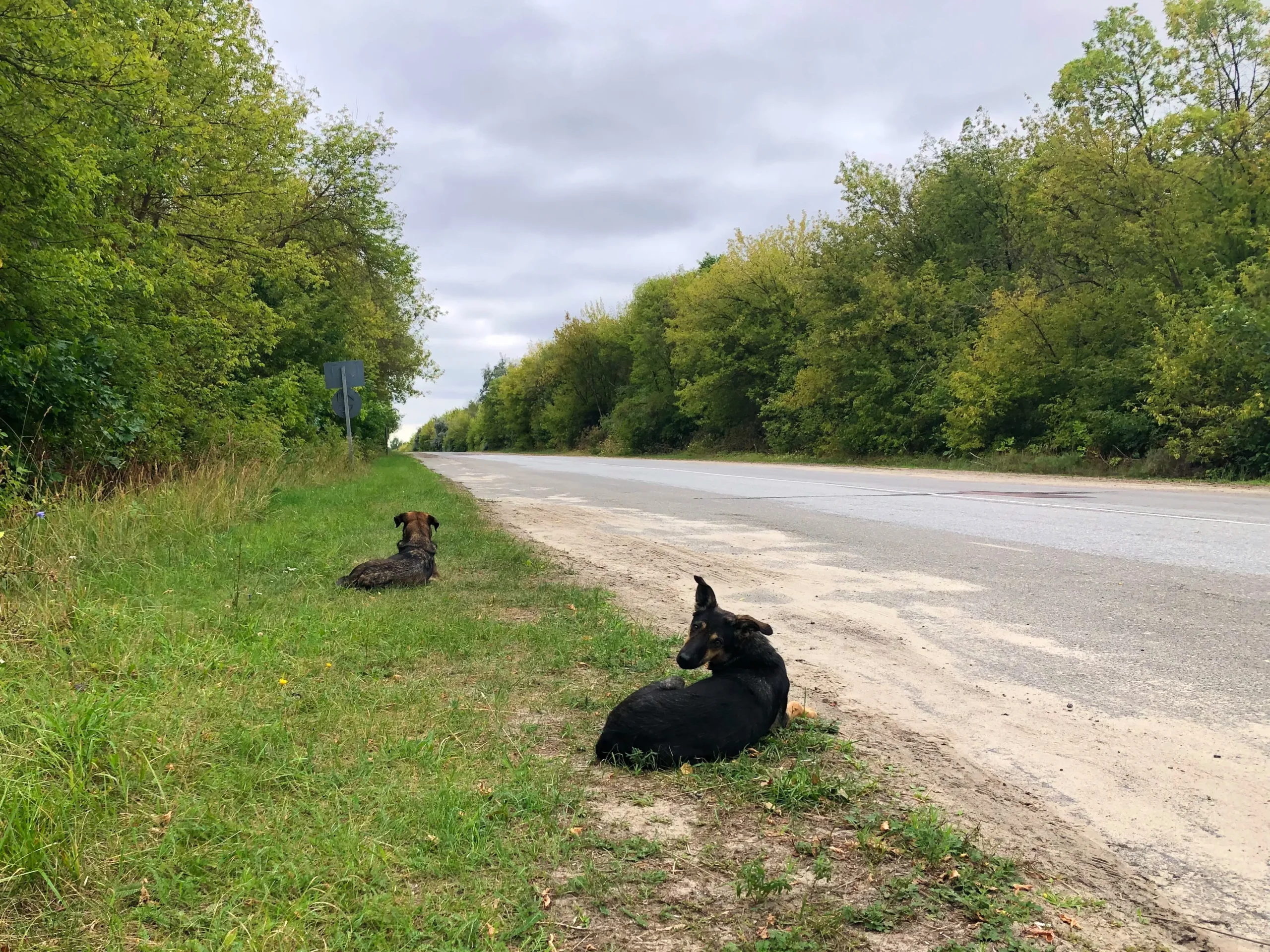
We saw the sarcophagus — massive, cold, almost unreal. It doesn’t look “dangerous,” but you understand what lies beneath it. It’s not just a structure. It’s a cover over a mistake that cost thousands of lives. There are dogs living in the zone. Stray, but not wild. They approach people, look into your eyes as if searching for connection. They are the descendants of the animals that were once left behind. There is something deeply touching about them. They live where humans could no longer live — and never will again. And yes — despite everything, some people still live in the zone. A few hermits. Those who returned, or those who never managed to leave for good. They grow their own food, heat their homes, and live their quiet lives in the middle of all this.
Chernobyl is not only about the disaster. It is about time. About memory. About how fragile everything that seems permanent really is. And about how quickly everything can disappear — leaving only silence behind.
☢️ ℹ️ The sarcophagus at Chernobyl is not just a structure — it’s a story of urgency, fear, and human effort. The first cover, built in 1986, was constructed in just a few months under extreme radiation conditions. Workers had only seconds to complete certain tasks before reaching dangerous exposure levels. Many parts were assembled remotely, and even today, parts of that original structure remain unstable. The newer confinement arch, placed over it in 2016, is one of the largest movable structures ever built — designed to contain the reactor for the next 100 years. Standing near it, you realize: this is not just engineering — it’s a shield between the past and the future.
🌈 Small details from Chernobyl
Abandoned Toys: Small dolls and figures left behind feel like frozen moments — as if someone just stepped out and never came back.
Nature Taking Over: Trees, grass, and moss slowly reclaim the city, growing through concrete and covering entire streets.
Silent Streets: Empty roads and buildings create a strange calmness — no noise, just wind and distant sounds.
Radiation Presence: The dosimeter sometimes starts beeping, reminding you that the danger here is invisible but real.
Life in the Zone: Stray dogs and even a few people still live here, creating a contrast between abandonment and survival.
Frozen Apartments: Rooms still hold furniture, books, and everyday objects — like time suddenly stopped.
The Sarcophagus: The massive structure covering the reactor doesn’t look dangerous, but you feel the weight of what it hides.
Unexpected Normality: Even a simple lunch at the station can feel surreal — ordinary life inside an extraordinary place.
Коли сталася аварія на Чорнобильській АЕС, мені не було й трьох років. Я виріс трохи пізніше — вже в тій країні, де про це знали, але не завжди говорили вголос. Як і будь-який радянський школяр, я не до кінця розумів, що саме сталося. Це було щось далеке, майже абстрактне — слово «Чорнобиль» існувало, але не мало форми, запаху, відчуття. З віком усе змінилося. З’явився інтерес. Потім — питання. Потім — бажання зрозуміти, що саме сталося тієї ночі… Що таке Прип’ять — місто-привид чи просто забуте місце? Яким є життя там зараз, якщо його взагалі можна так назвати? І ось через багато років я опинився там. У місці, де час зупинився.
Перше, що впадає в очі — це дивне поєднання життя і смерті. Природа тут перемогла. Дерева проростають крізь бетон, дороги зникають під травою, будівлі повільно розчиняються в зелені. Але серед цієї «живої» природи є речі, які неможливо не відчути. Покинуті машини… Відкриті квартири… Іржаві ліжка… Речі ліквідаторів… І… іграшки. Саме іграшки — найважче. Маленькі ляльки, м’які звірята, дитячі фігурки, залишені так, ніби дитина просто вийшла на хвилину і скоро повернеться. Але ніхто не повернувся. Ми ходили по квартирах. Піднімалися на дахи будинків. Заглядали в кімнати, де досі стоять шафи, книги, посуд. Іноді здавалося, що тут хтось живе — просто його не видно. І в якийсь момент з’являється дивне відчуття — не просто цікавість, а легкий страх. Не панічний, а тихий, глибокий. Ніби ти знаходишся там, де не повинен бути.
З нами був особистий прилад — дозиметр. Він тихо супроводжував нас, іноді майже мовчав… а іноді починав різко пищати. І тоді ти розумів: тут краще не затримуватися. Цей звук — нагадування, що небезпека тут невидима. Вона не має запаху, кольору — але вона є. Ми порівнювали фотографії минулого і теперішнього. На одному — живе місто, люди, квіти, машини. На іншому — ті ж вулиці, але порожні, зарослі, забуті. І найдивніше — усе впізнається. Але все вже інше. На території станції ми були в їдальні. І це, мабуть, один із найнесподіваніших моментів усієї поїздки. Після всього побаченого — звичайний обід. І він був… смачним. Настільки звичайним, що це навіть трохи лякало. Контраст між нормальним життям і місцем, де сталася одна з найбільших катастроф в історії людства.
Ми бачили саркофаг — величезний, холодний, майже нереальний. Він не виглядає «небезпечним», але ти розумієш, що під ним. Це не просто конструкція. Це кришка над помилкою, ціною якої стали тисячі доль. На території зони живуть собаки. Безпритульні, але не дикі. Вони підходять до людей, дивляться в очі, ніби шукають зв’язок. Вони — нащадки тих тварин, яких колись залишили. У них є щось дуже зворушливе. Вони живуть там, де людина вже не змогла жити і ніколи не зможе. І так — попри все, в зоні досі живе частина людей. Ті, хто повернувся, або ті, хто не зміг піти остаточно. Вони вирощують їжу, топлять печі, живуть своїм тихим життям серед усього цього.
Чорнобиль — це не лише про катастрофу. Це про час. Про пам’ять. Про крихкість того, що здається вічним. І про те, як швидко все може зникнути — і залишиться лише тиша.
☢️ ℹ️ Саркофаг у Чорнобилі — це не просто конструкція, а історія поспіху, страху та людських зусиль. Перше укриття, збудоване у 1986 році, було створене всього за кілька місяців в умовах екстремальної радіації. Працівники мали лише секунди, щоб виконати окремі завдання, перш ніж досягали небезпечного рівня опромінення. Багато елементів збирали дистанційно, і навіть сьогодні частини тієї первинної конструкції залишаються нестабільними. Новий арковий конфайнмент, встановлений над нею у 2016 році, є однією з найбільших рухомих конструкцій у світі — він розрахований на те, щоб стримувати реактор протягом наступних 100 років. Стоячи поруч, розумієш: це не просто інженерія — це бар’єр між минулим і майбутнім.
🌈 Маленькі деталі Чорнобиля
Покинуті іграшки: Маленькі ляльки та фігурки виглядають як застиглі моменти — ніби хтось просто вийшов і більше не повернувся.
Природа повертає своє: Дерева, трава та мох повільно поглинають місто, проростаючи крізь бетон і вкриваючи вулиці.
Тихі вулиці: Порожні дороги та будівлі створюють дивне відчуття спокою — лише вітер і віддалені звуки.
Невидима радіація: Дозиметр іноді починає пищати, нагадуючи, що небезпека тут невидима, але реальна.
Життя в зоні: Бездомні собаки та навіть кілька людей досі живуть тут, створюючи контраст між покинутістю і виживанням.
Застиглі квартири: У кімнатах досі залишилися меблі, книги та речі — ніби час раптово зупинився.
Саркофаг: Величезна конструкція над реактором не виглядає небезпечною, але ти відчуваєш, що вона приховує.
Несподівана звичайність: Навіть простий обід на станції здається сюрреалістичним — звичайне життя в незвичайному місці.
Als sich die Katastrophe im Kernkraftwerk Tschernobyl ereignete, war ich noch keine drei Jahre alt. Ich bin etwas später aufgewachsen — bereits in einem Land, in dem man davon wusste, aber nicht immer offen darüber sprach. Wie jeder sowjetische Schüler verstand ich nicht vollständig, was genau passiert war. Es war etwas Entferntes, fast Abstraktes — das Wort „Tschernobyl“ existierte, aber hatte keine Form, keinen Geruch, kein echtes Gefühl. Mit der Zeit änderte sich das. Zuerst kam das Interesse. Dann — Fragen. Dann — der Wunsch zu verstehen, was in jener Nacht wirklich geschah… Was ist Prypjat — eine Geisterstadt oder einfach ein vergessener Ort? Wie sieht das Leben dort heute aus, wenn man es überhaupt noch Leben nennen kann? Und viele Jahre später stand ich selbst dort. An einem Ort, an dem die Zeit stehen geblieben ist.
Das Erste, was mir auffiel, war die seltsame Mischung aus Leben und Tod. Die Natur hat hier gesiegt. Bäume wachsen durch Beton, Straßen verschwinden unter Gras, Gebäude lösen sich langsam im Grün auf. Doch in dieser „lebendigen“ Natur gibt es Dinge, die man nicht ignorieren kann. Verlassene Autos… Offene Wohnungen… Verrostete Betten… Dinge der Liquidatoren… Und… Spielzeuge. Diese Spielzeuge sind das Schwerste. Kleine Puppen, Stofftiere, Kinderfiguren — zurückgelassen, als wäre ein Kind nur kurz hinausgegangen und würde gleich zurückkommen. Doch niemand kam zurück. Wir gingen durch Wohnungen, stiegen auf die Dächer der Häuser, blickten in Räume, in denen noch immer Schränke, Bücher und Geschirr stehen. Manchmal hatte man das Gefühl, dass hier noch jemand lebt — man kann ihn nur nicht sehen. Und irgendwann entsteht ein seltsames Gefühl — nicht nur Neugier, sondern eine leise Angst. Keine Panik, sondern etwas Tieferes. Als wäre man an einem Ort, an dem man eigentlich nicht sein sollte.
Wir hatten ein eigenes Gerät dabei — ein Dosimeter. Es begleitete uns leise, manchmal fast unhörbar… und manchmal begann es plötzlich laut zu piepen. Und dann verstand man: Hier sollte man nicht lange bleiben. Dieses Geräusch erinnert daran, dass die Gefahr unsichtbar ist. Sie hat keinen Geruch, keine Farbe — aber sie ist da. Wir verglichen Fotos von früher und heute. Auf dem einen Bild — eine lebendige Stadt, Menschen, Blumen, Autos. Auf dem anderen — dieselben Strassen, aber leer, überwuchert, vergessen. Und das Merkwürdigste — alles ist wiederzuerkennen. Aber alles ist anders. Auf dem Gelände des Kraftwerks waren wir in der Kantine. Und das war wahrscheinlich einer der unerwartetsten Momente der ganzen Reise. Nach allem, was wir gesehen hatten — ein ganz normales Mittagessen. Und es war… lecker. So gewöhnlich, dass es fast ein wenig befremdlich wirkte. Der Kontrast zwischen normalem Leben und einem Ort, an dem eine der größten Katastrophen der Menschheitsgeschichte stattfand.
Wir sahen den Sarkophag — riesig, kalt, fast unwirklich. Er sieht nicht „gefährlich“ aus, aber man versteht, was sich darunter befindet. Es ist nicht nur eine Konstruktion. Es ist eine Abdeckung über einem Fehler, der tausende Schicksale gekostet hat. In der Zone leben Hunde. Streuner, aber nicht wild. Sie kommen auf Menschen zu, schauen einem in die Augen, als würden sie Verbindung suchen. Sie sind die Nachkommen der Tiere, die damals zurückgelassen wurden. In ihnen liegt etwas sehr Berührendes. Sie leben dort, wo der Mensch nicht mehr leben konnte — und nie wieder leben kann. Und ja — trotz allem leben noch einige Menschen in der Zone. Einsiedler. Diejenigen, die zurückgekehrt sind oder nie wirklich gehen konnten. Sie bauen ihr eigenes Essen an, heizen ihre Häuser und leben ihr stilles Leben mitten in all dem.
Tschernobyl ist nicht nur eine Katastrophe. Es ist Zeit. Erinnerung. Die Zerbrechlichkeit von allem, was ewig erscheint. Und darüber, wie schnell alles verschwinden kann — und nur Stille bleibt.
☢️ ℹ️ Der Sarkophag von Tschernobyl ist nicht nur eine Konstruktion — er ist eine Geschichte von Eile, Angst und menschlicher Leistung. Die erste Hülle, die 1986 gebaut wurde, entstand in nur wenigen Monaten unter extremen Strahlungsbedingungen. Die Arbeiter hatten oft nur Sekunden Zeit, um bestimmte Aufgaben zu erledigen, bevor sie gefährlichen Strahlungswerten ausgesetzt waren. Viele Teile wurden ferngesteuert montiert, und selbst heute gelten Teile dieser ursprünglichen Struktur als instabil. Die neue Schutzhülle, die 2016 darüber installiert wurde, gehört zu den größten beweglichen Konstruktionen der Welt und ist dafür ausgelegt, den Reaktor für die nächsten 100 Jahre einzuschließen. Wenn man davor steht, wird klar: Das ist nicht nur Technik — es ist eine Grenze zwischen Vergangenheit und Zukunft.
🌈 Kleine Details aus Tschernobyl
Verlassene Spielzeuge: Kleine Puppen und Figuren wirken wie eingefrorene Momente — als wäre jemand nur kurz weggegangen und nie zurückgekehrt.
Natur übernimmt: Bäume, Gras und Moos erobern die Stadt zurück und wachsen durch Beton und über ganze Straßen.
Stille Strassen: Leere Wege und Gebäude erzeugen eine seltsame Ruhe — nur Wind und entfernte Geräusche.
Unsichtbare Strahlung: Das Dosimeter beginnt manchmal zu piepen und erinnert daran, dass die Gefahr unsichtbar, aber real ist.
Leben in der Zone: Streunende Hunde und sogar einige Menschen leben noch hier — ein Kontrast zwischen Verlassenheit und Überleben.
Eingefrorene Wohnungen: Räume mit Möbeln, Büchern und Alltagsgegenständen — als hätte die Zeit plötzlich aufgehört.
Der Sarkophag: Die riesige Hülle über dem Reaktor wirkt nicht bedrohlich, aber man spürt, was sie verbirgt.
Unerwartete Normalität: Selbst ein einfaches Mittagessen auf dem Gelände fühlt sich surreal an — normales Leben an einem aussergewöhnlichen Ort.
 ©Every Mile Story
 ©Every Mile Story
 ©Every Mile Story
 ©Every Mile Story
 ©Every Mile Story
 ©Every Mile Story
 ©Every Mile Story
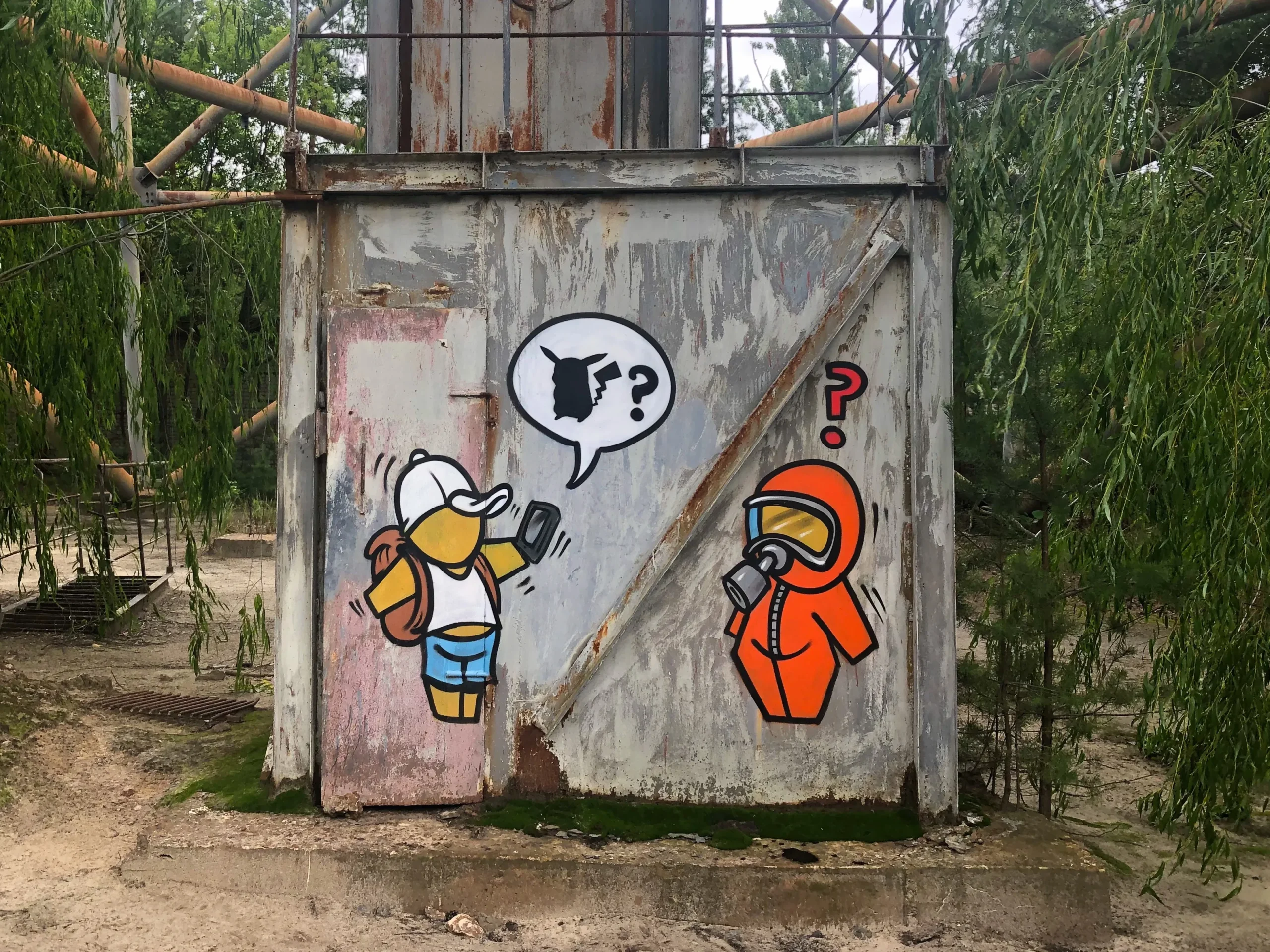 ©Every Mile Story
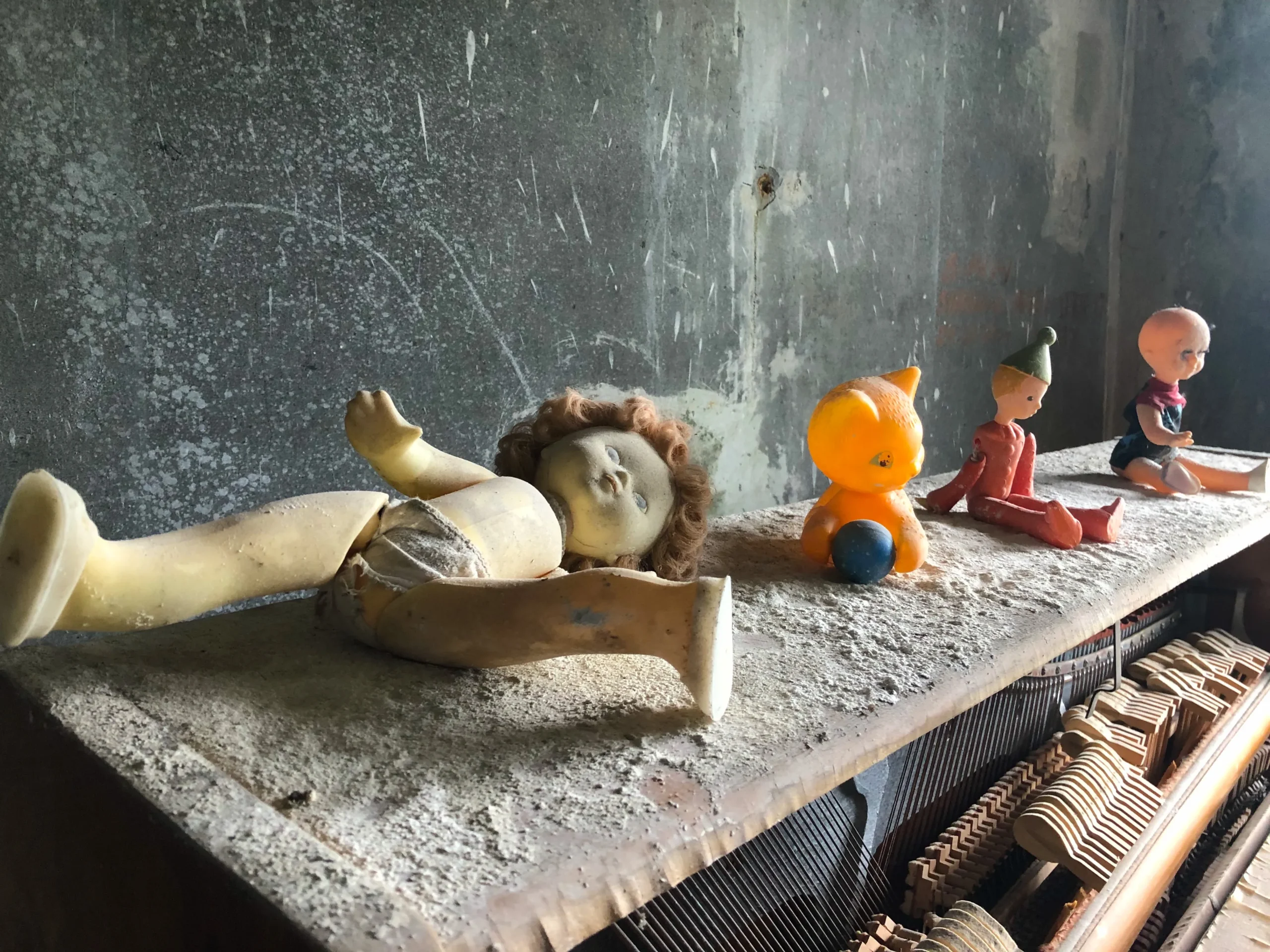 ©Every Mile Story
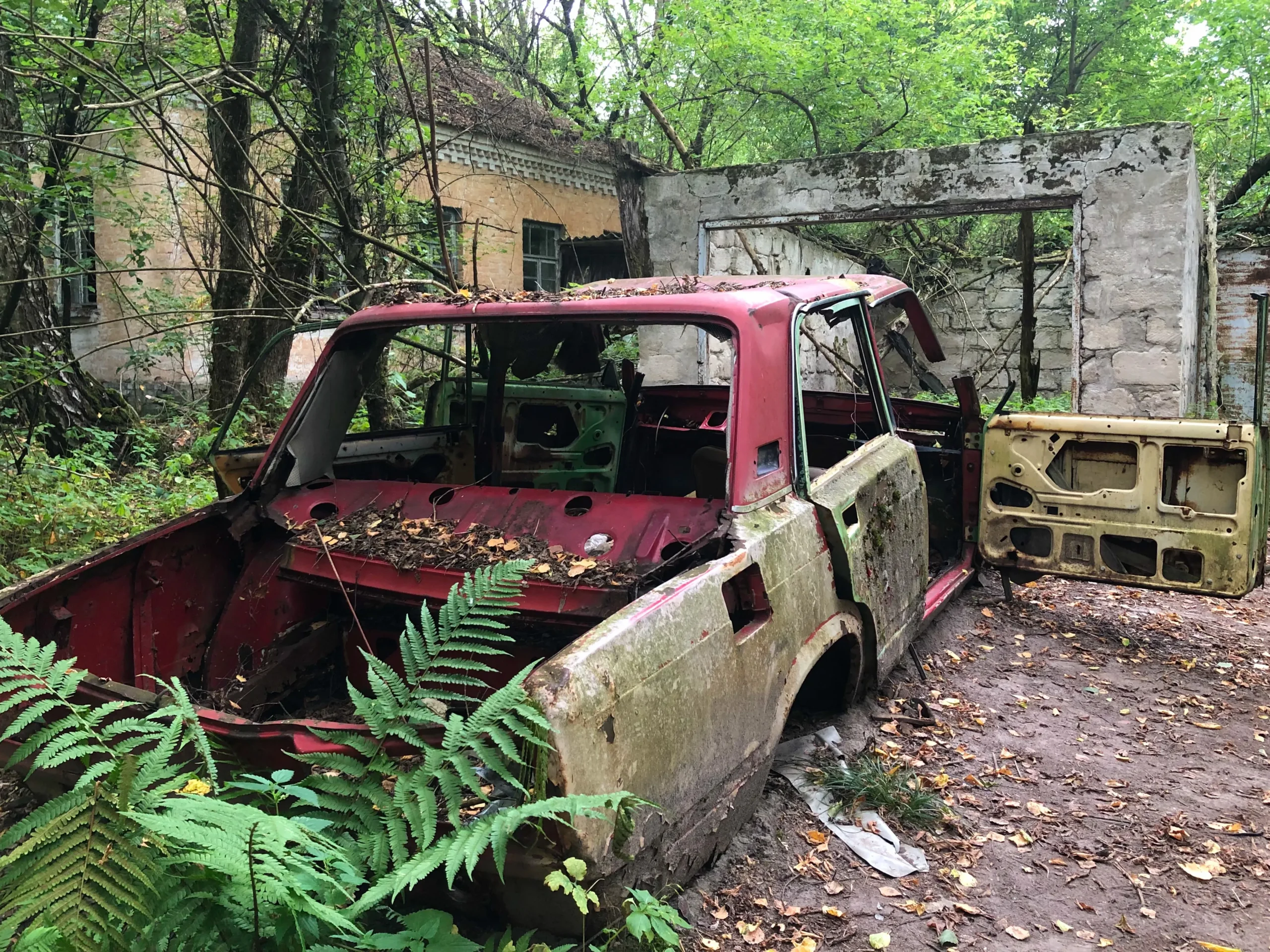 ©Every Mile Story
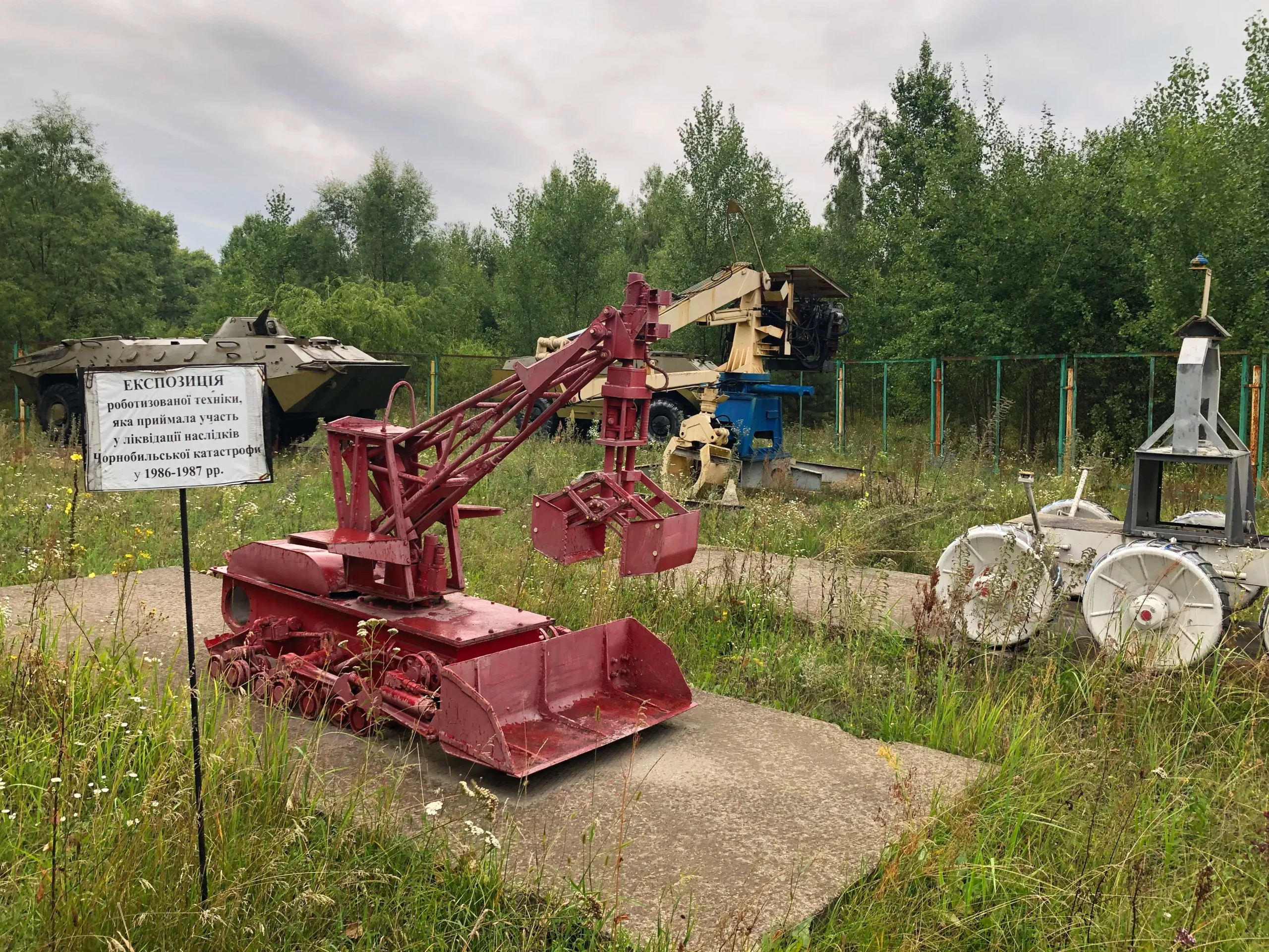 ©Every Mile Story
 ©Every Mile Story
 ©Every Mile Story
 ©Every Mile Story
 ©Every Mile Story