My journey to IFA did not begin with futuristic robots, enormous screens, or smart homes. It began at a small railway station in my Swiss town, from where I had to make my way to Berlin by train. And it soon became clear that the journey would be a little more eventful than planned: train problems, delays, unexpected connections, and rain that accompanied me for much of the way. Towns and villages passed by behind rain-covered train windows, and the beginning of the trip looked rather grey — quite literally. Fortunately, after arriving in Berlin, the weather gradually improved, the rain stayed behind along with the railway adventures, and my mood immediately became much better.
One of the main reasons for my trip to Berlin was IFA, and I decided to visit the exhibition on my very first day. On the opening day, trade visitors and industry representatives could enter the Messe Berlin grounds in the morning, while the doors opened to the general public at 12:00. So around noon, I was already inside and ready to explore one of the world’s best-known consumer electronics exhibitions. The first thing that strikes you about IFA is its scale. This is not just one huge exhibition hall that you can leisurely walk around. For several days, Messe Berlin turns into an entire city of technology: hall after hall, passageways, staircases, courtyards, enormous stands from global brands, and tiny booths belonging to companies whose names you may be seeing for the first time. I quickly realized that seeing everything here in just a few hours would be practically impossible.
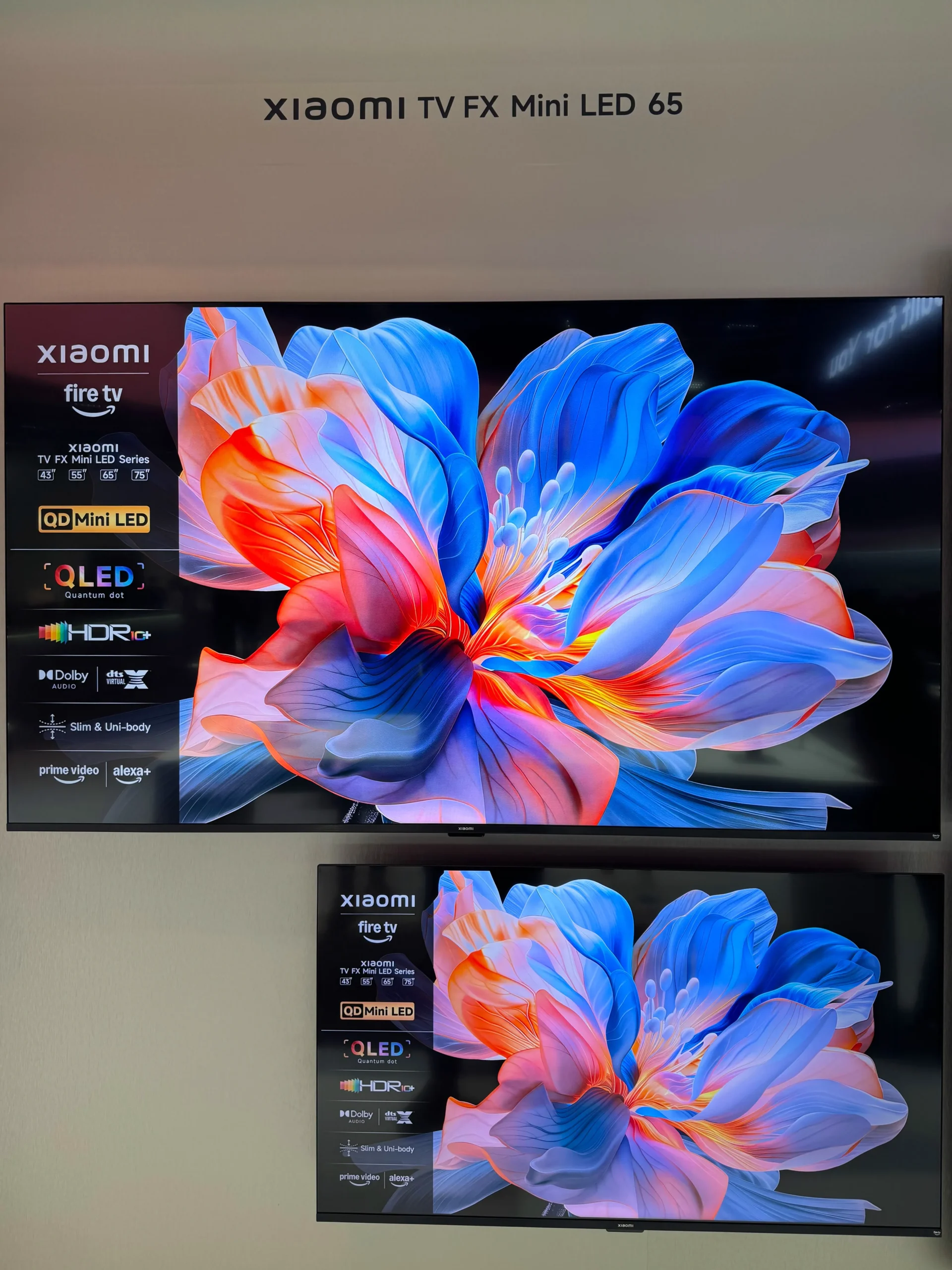
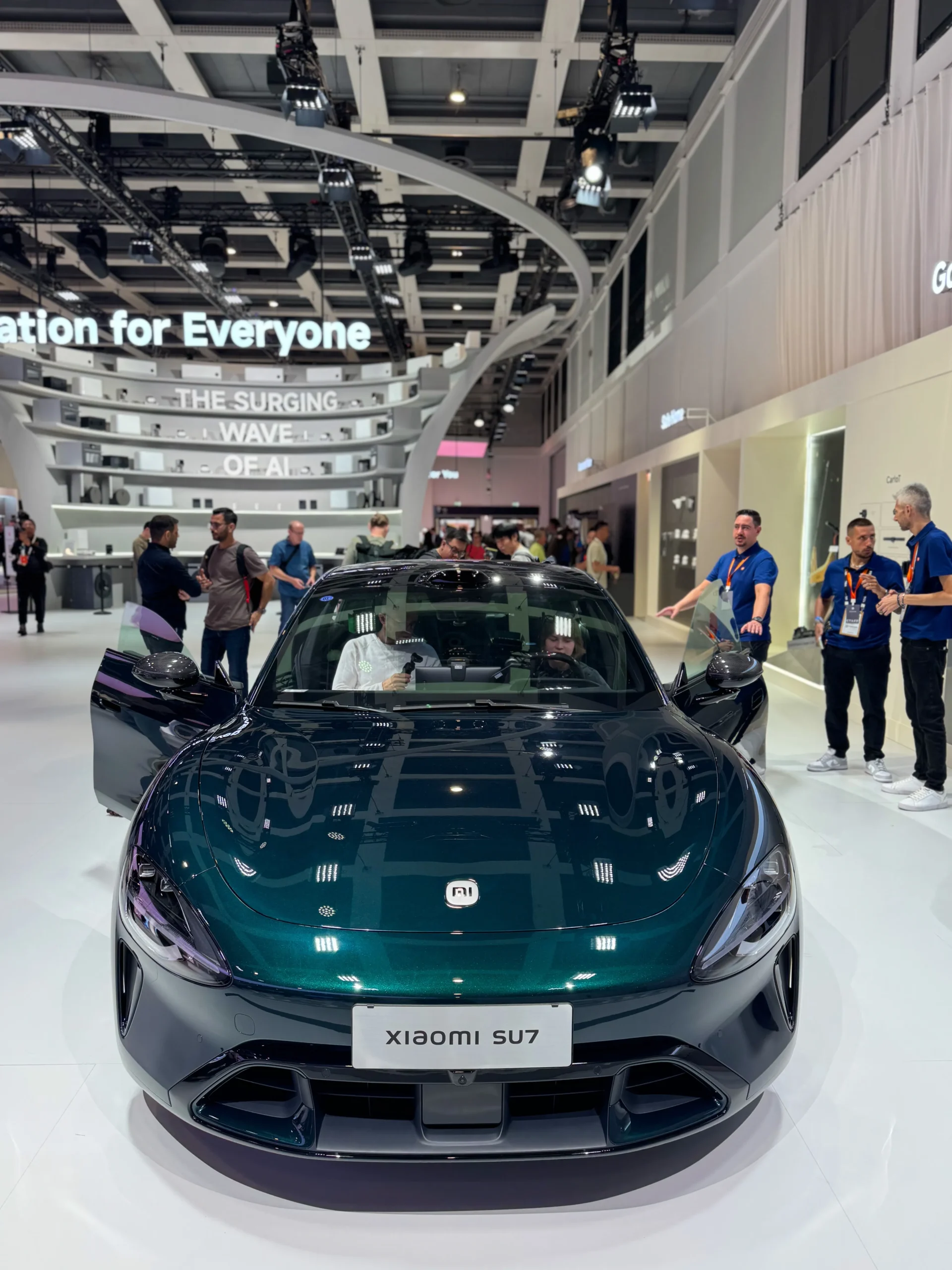
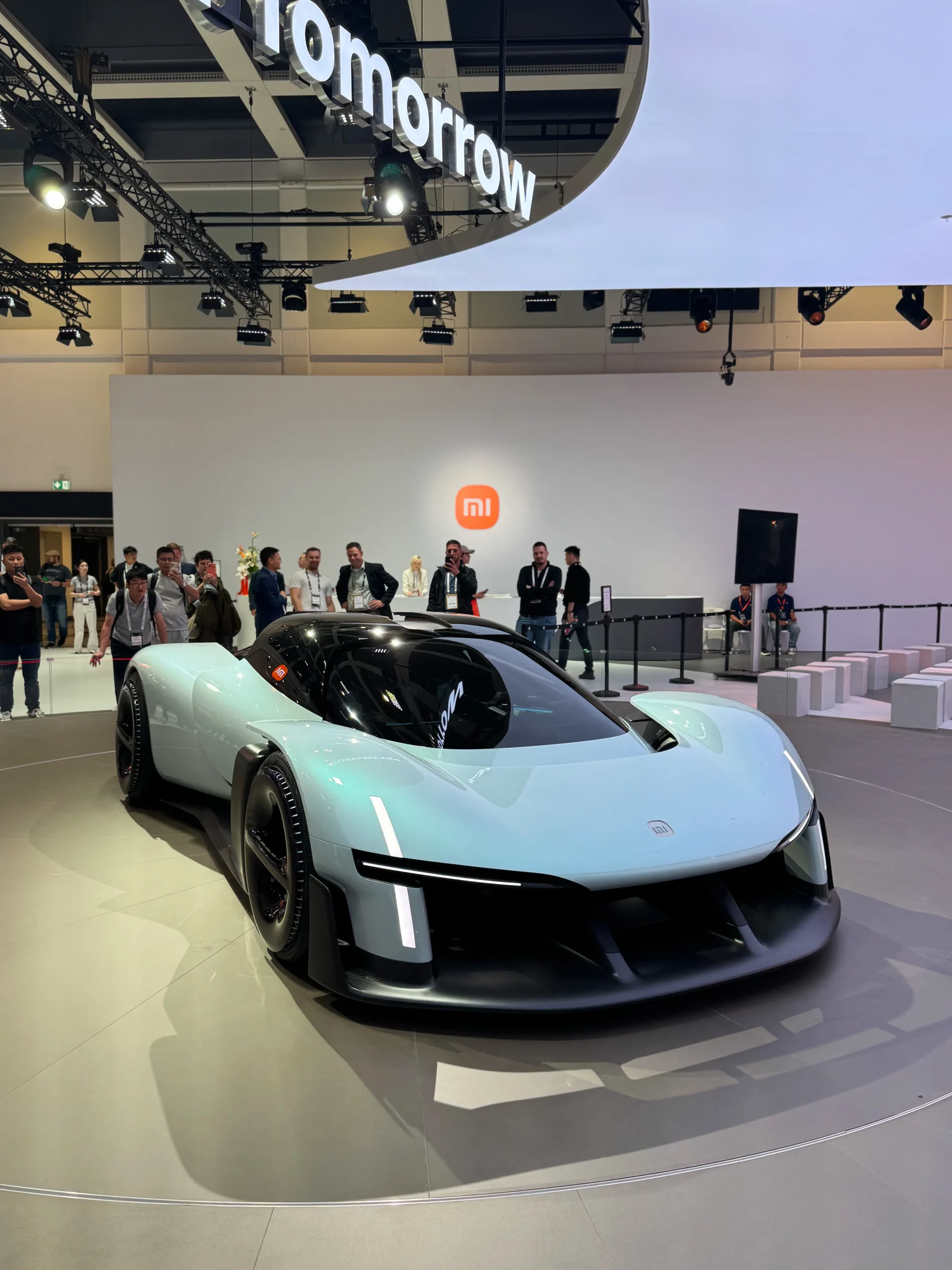
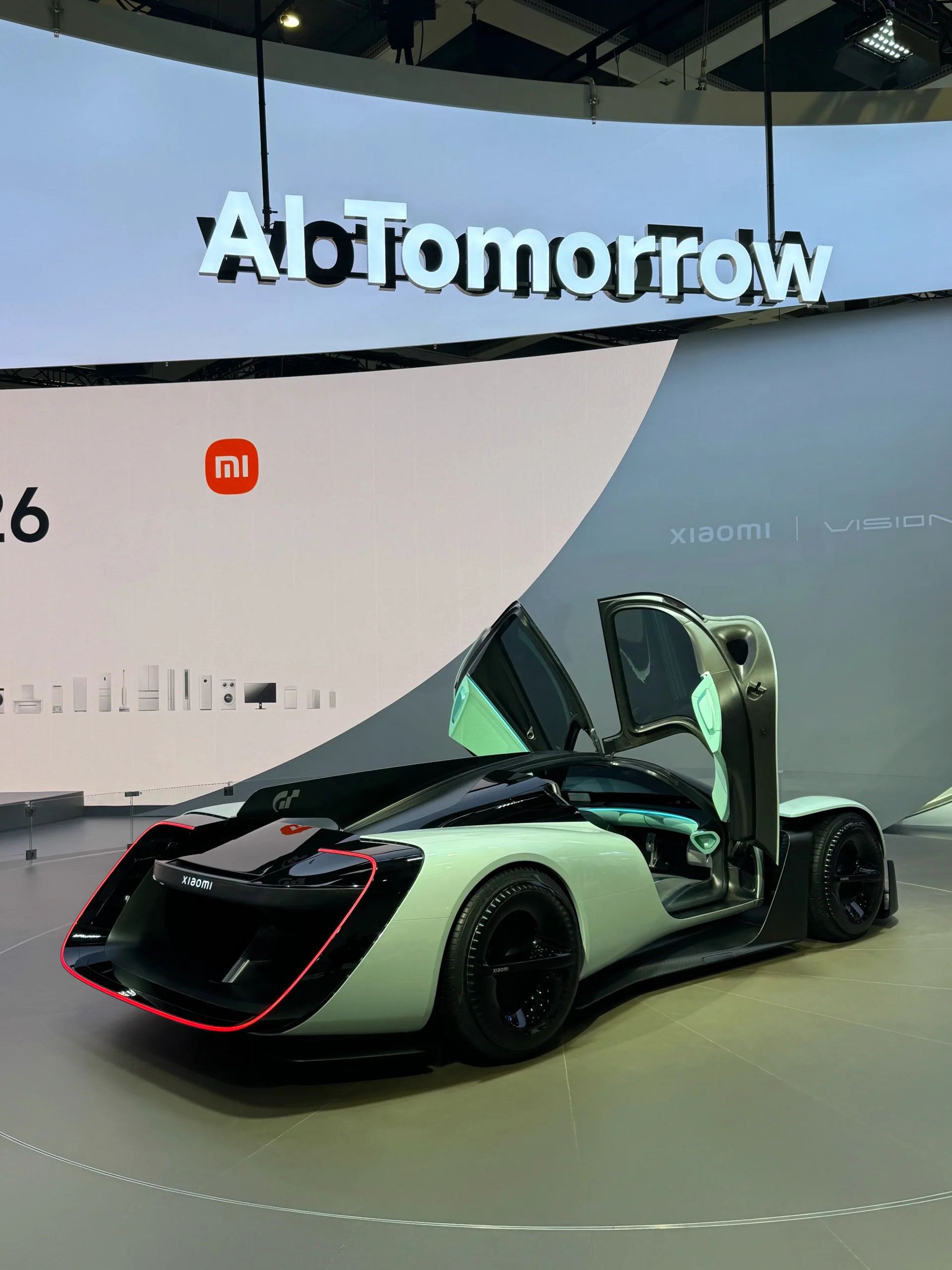
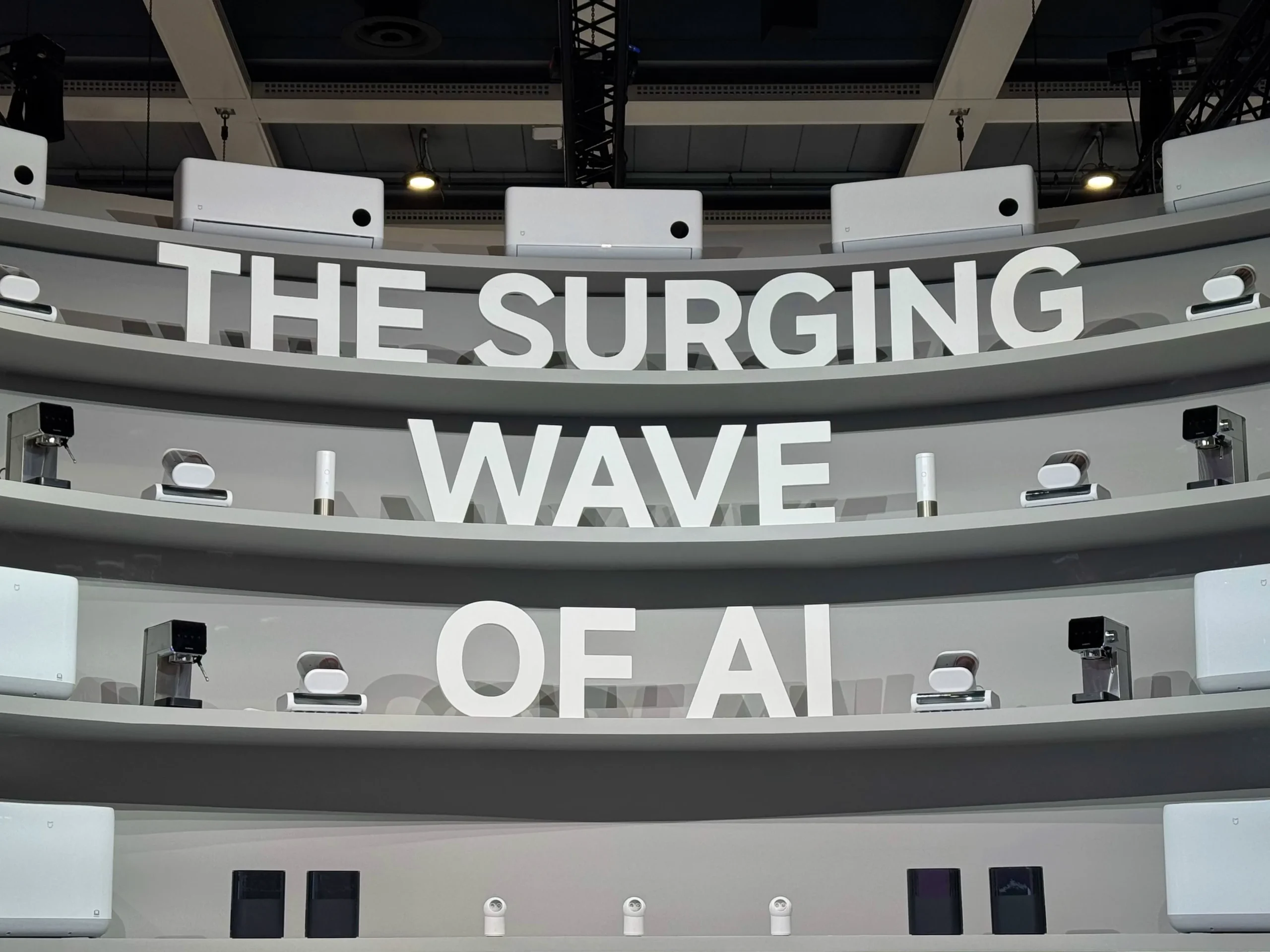
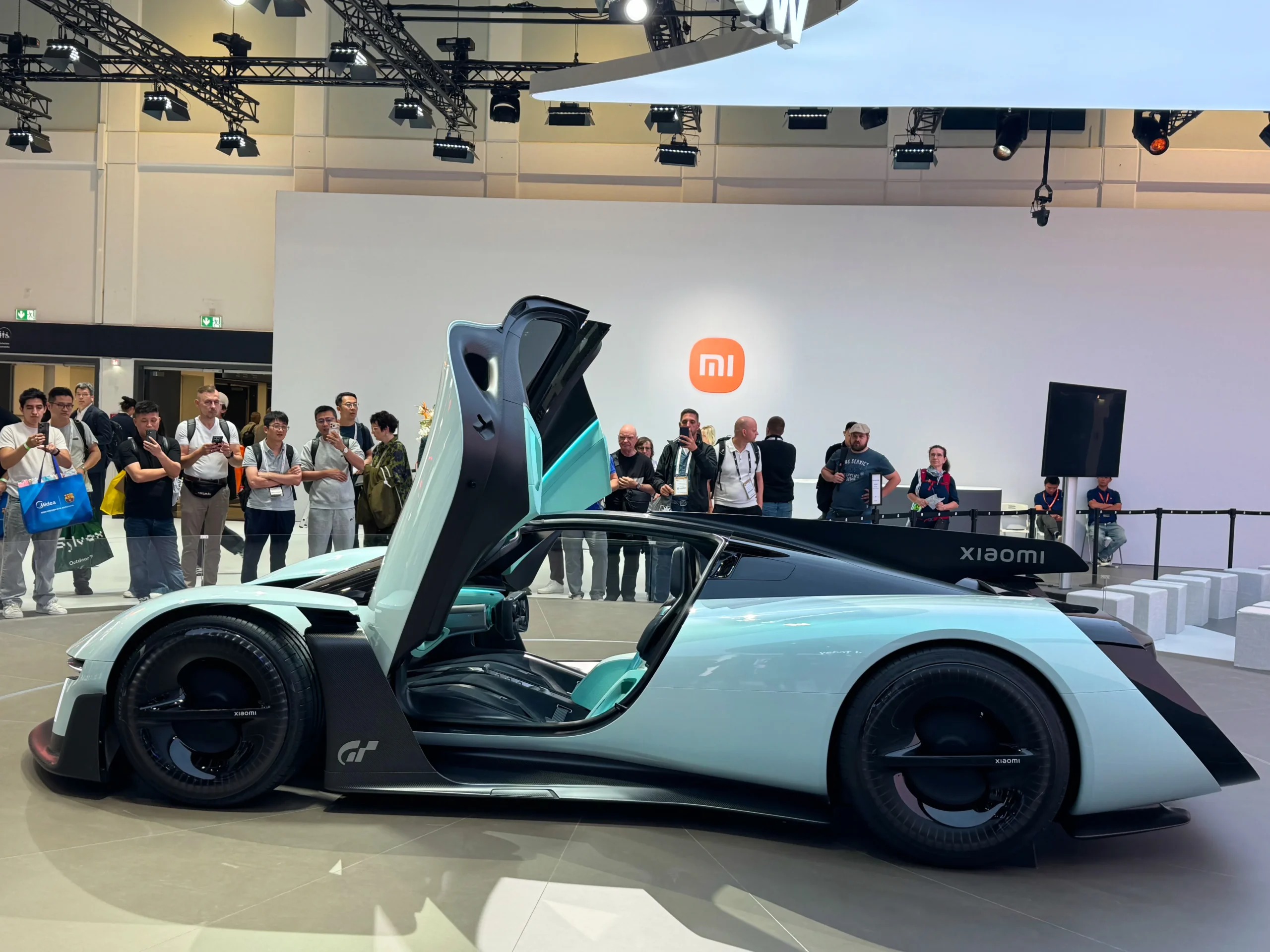
One of the most impressive areas for me was the enormous Xiaomi space. The company created a truly impressive stand where smartphones and wearable devices were only a small part of the bigger picture. Televisions, home appliances, smart-home devices, robots, and countless other products were brought together into one large ecosystem. It was here that I particularly noticed how far modern technology companies have moved beyond the idea of producing just one particular type of device. But what probably impressed me most at the Xiaomi stand were their cars. Seeing them in person was especially interesting: not so long ago, I associated Xiaomi primarily with smartphones and various gadgets, and now there were full-sized modern electric cars standing right beside them. They looked genuinely impressive, attracted plenty of attention, and became some of the most memorable exhibits of the entire show for me. It was another great example of just how far the Xiaomi ecosystem now extends — from a small device in your pocket all the way to a car.
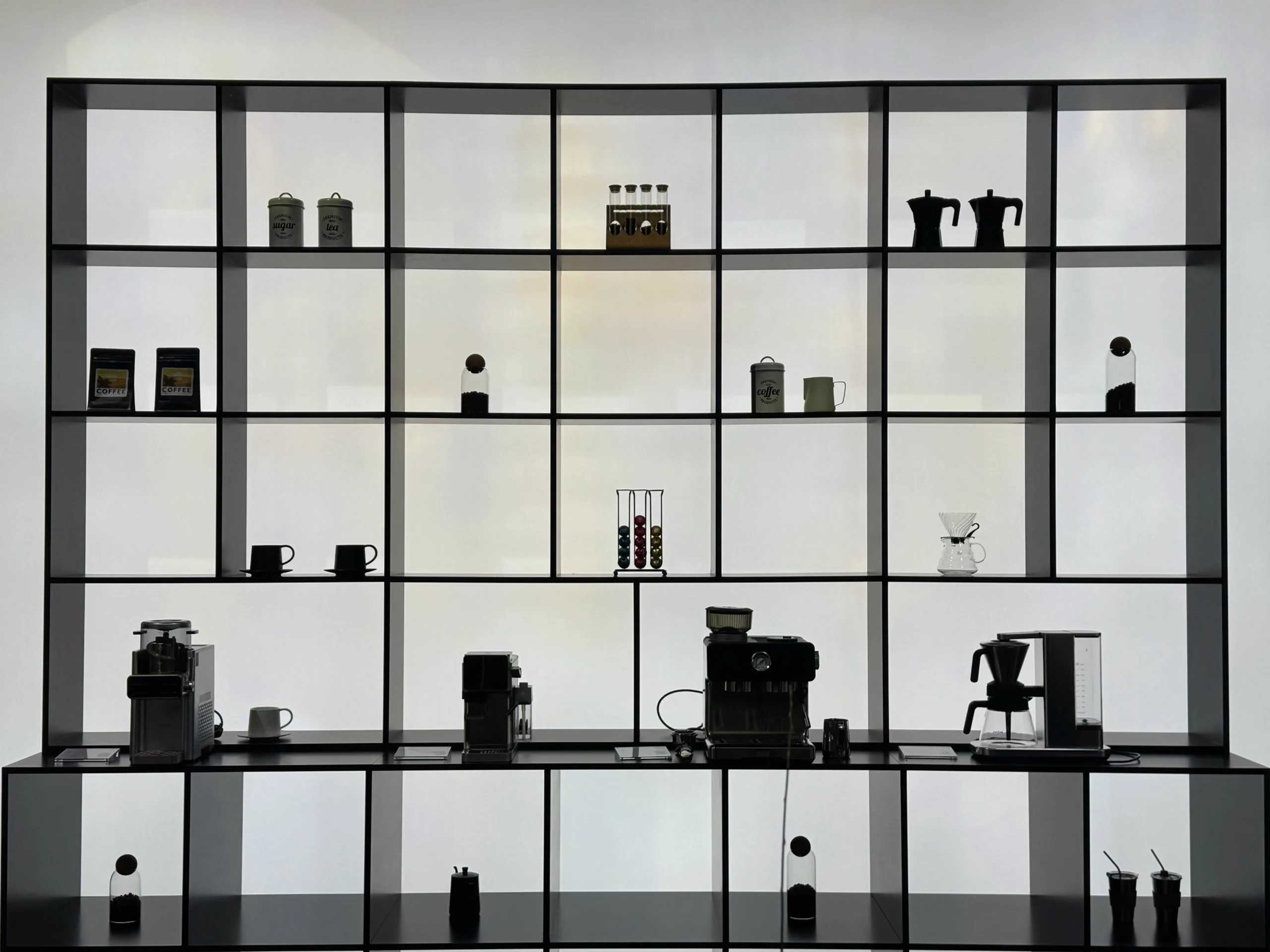
A huge part of IFA was dedicated to technology for the home and kitchen. Washing machines, vacuum cleaners, coffee machines, kitchen appliances, air-purification systems — and, of course, refrigerators. Lots and lots of refrigerators. Some of them now look more like large home computers with doors: displays, cameras inside, different temperature zones, food-management systems, and integration with other smart-home devices. After walking through several halls, you start to suspect that refrigerator manufacturers are fighting a separate technological war of their own.
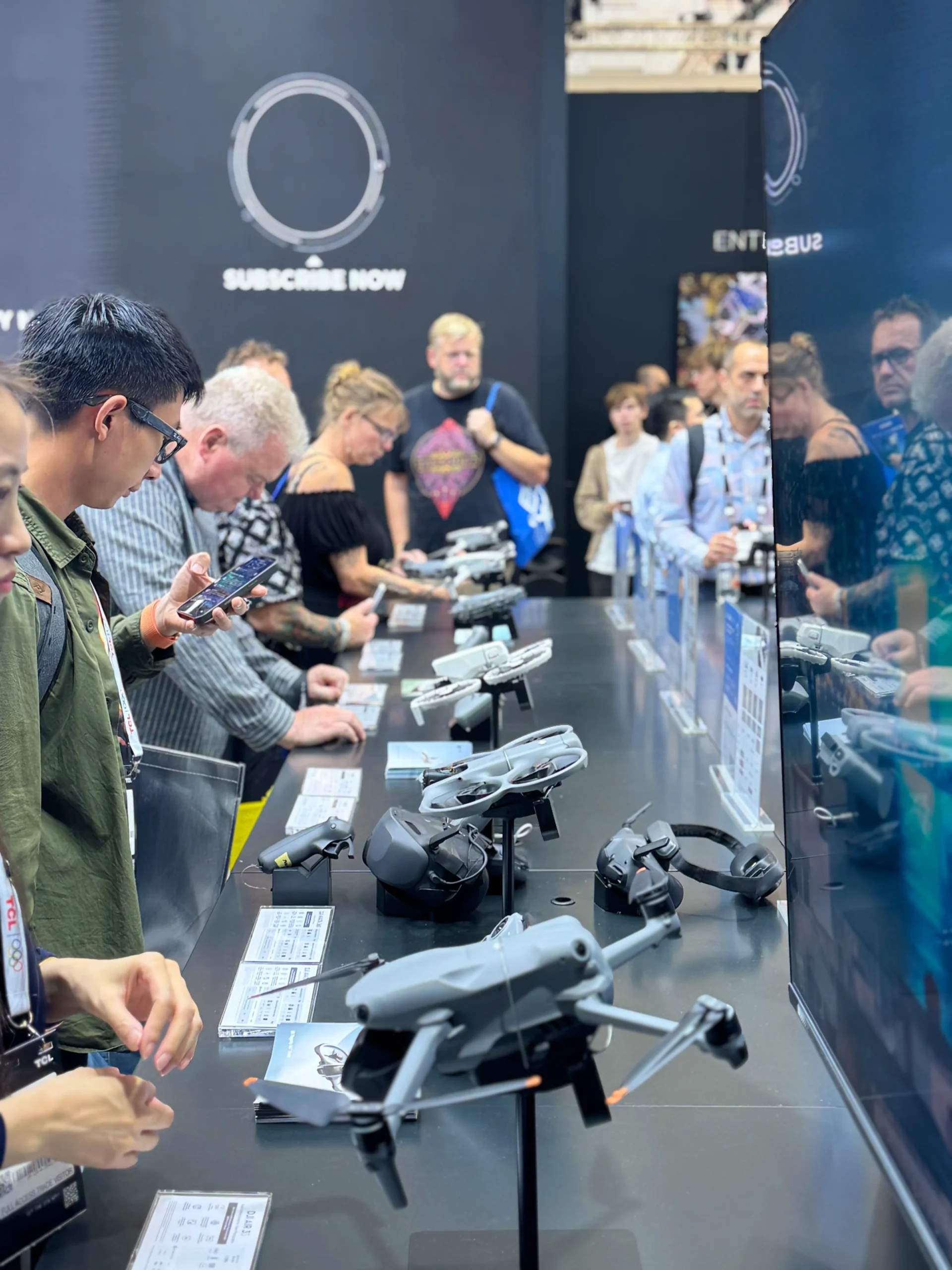
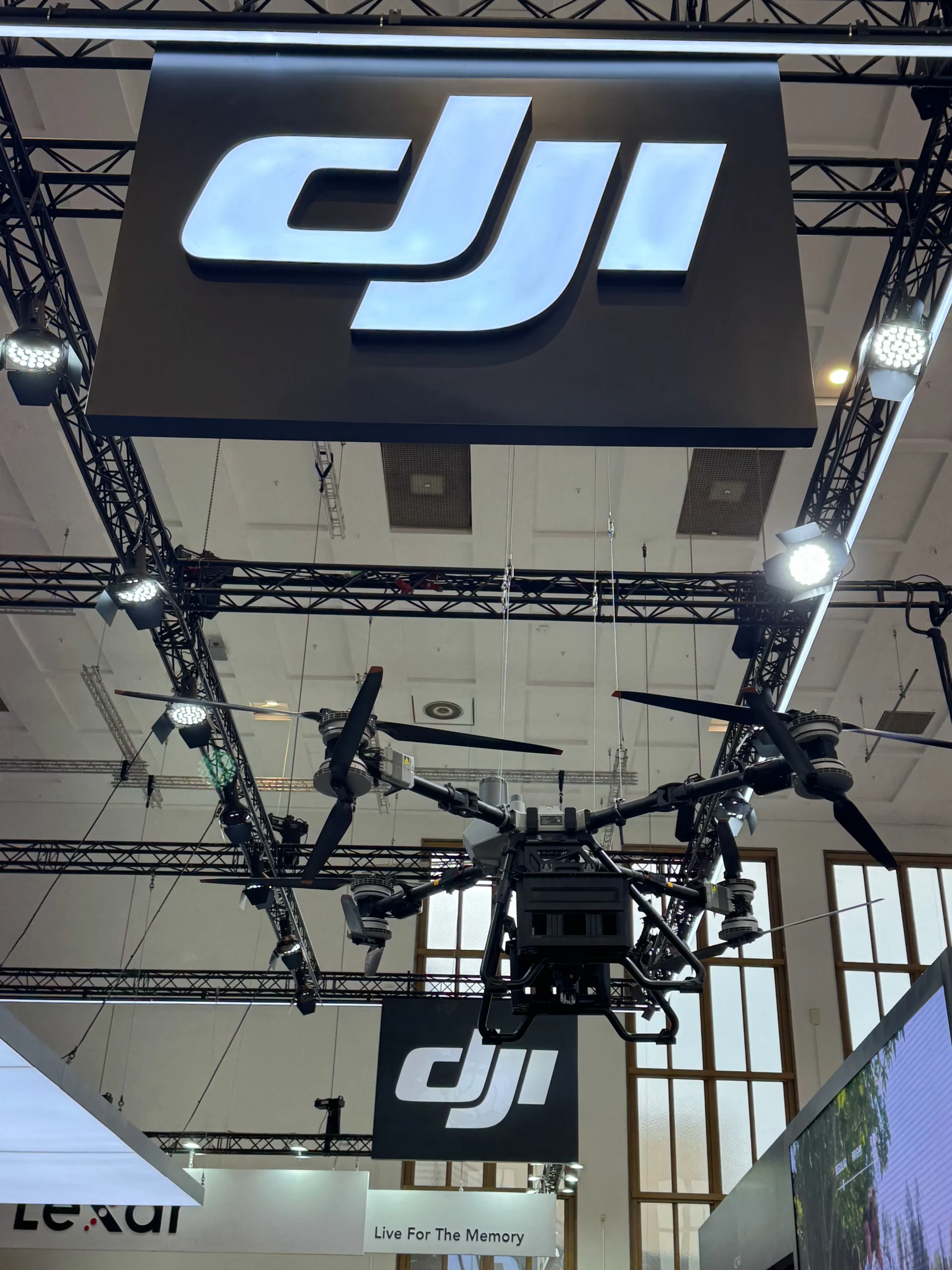
I also particularly remember the companies working with drones. Here, too, it was easy to see how far the industry has moved beyond the simple idea of a “flying camera.” Drones are becoming smaller and smarter, gaining more and more autonomous functions and finding applications in very different fields. At the exhibition, it was possible to see both familiar consumer models and much more specialized solutions.
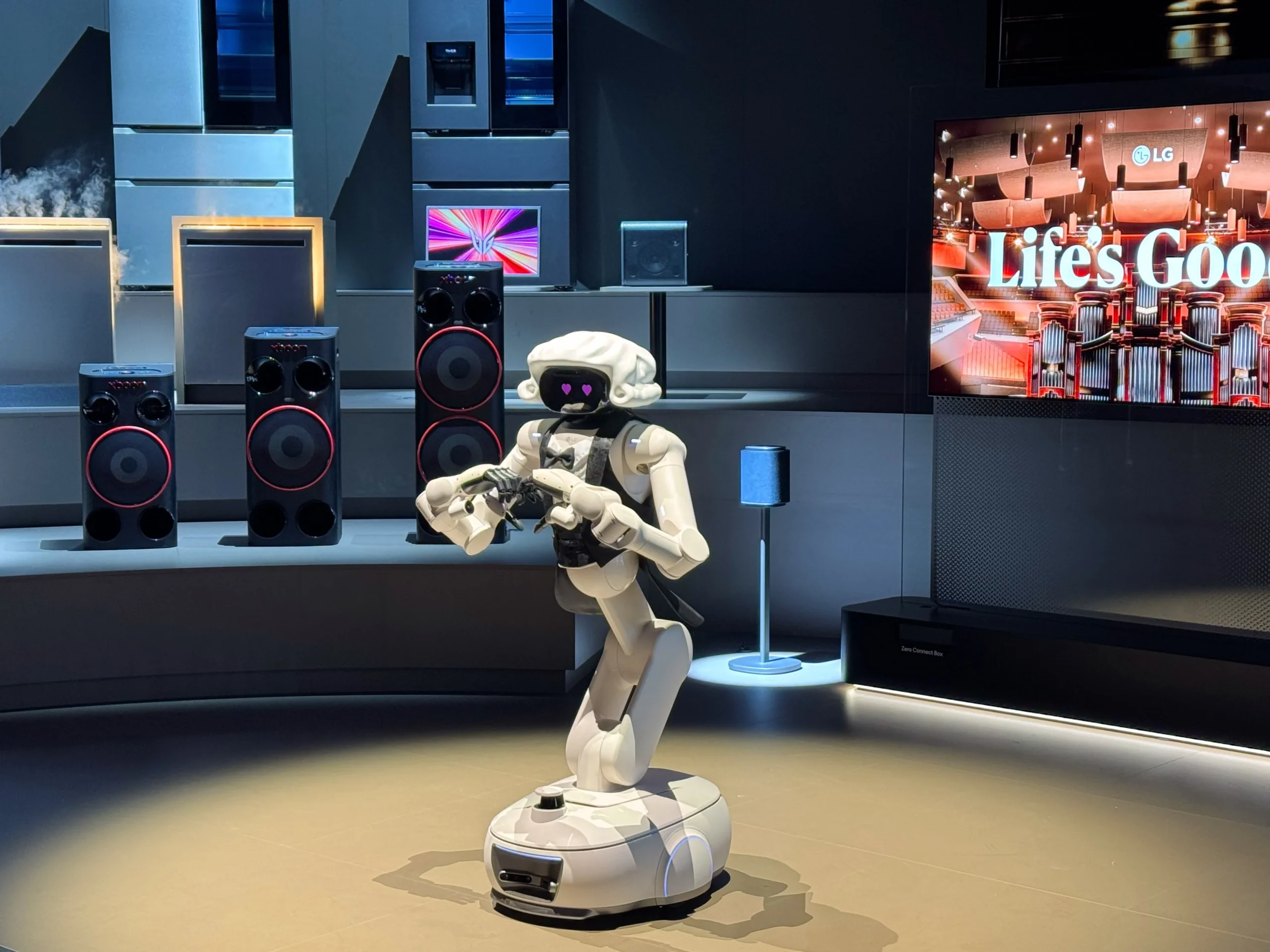
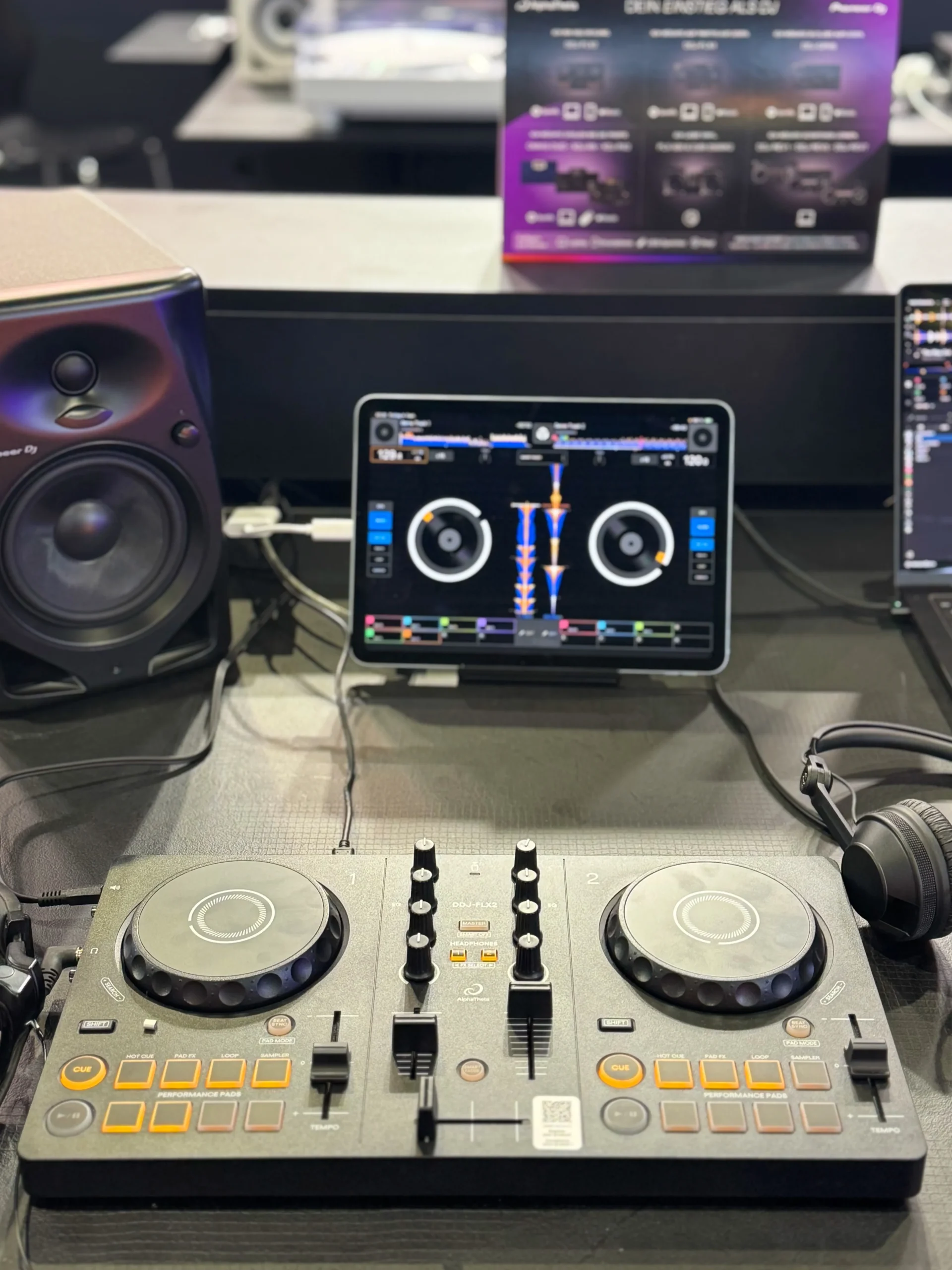
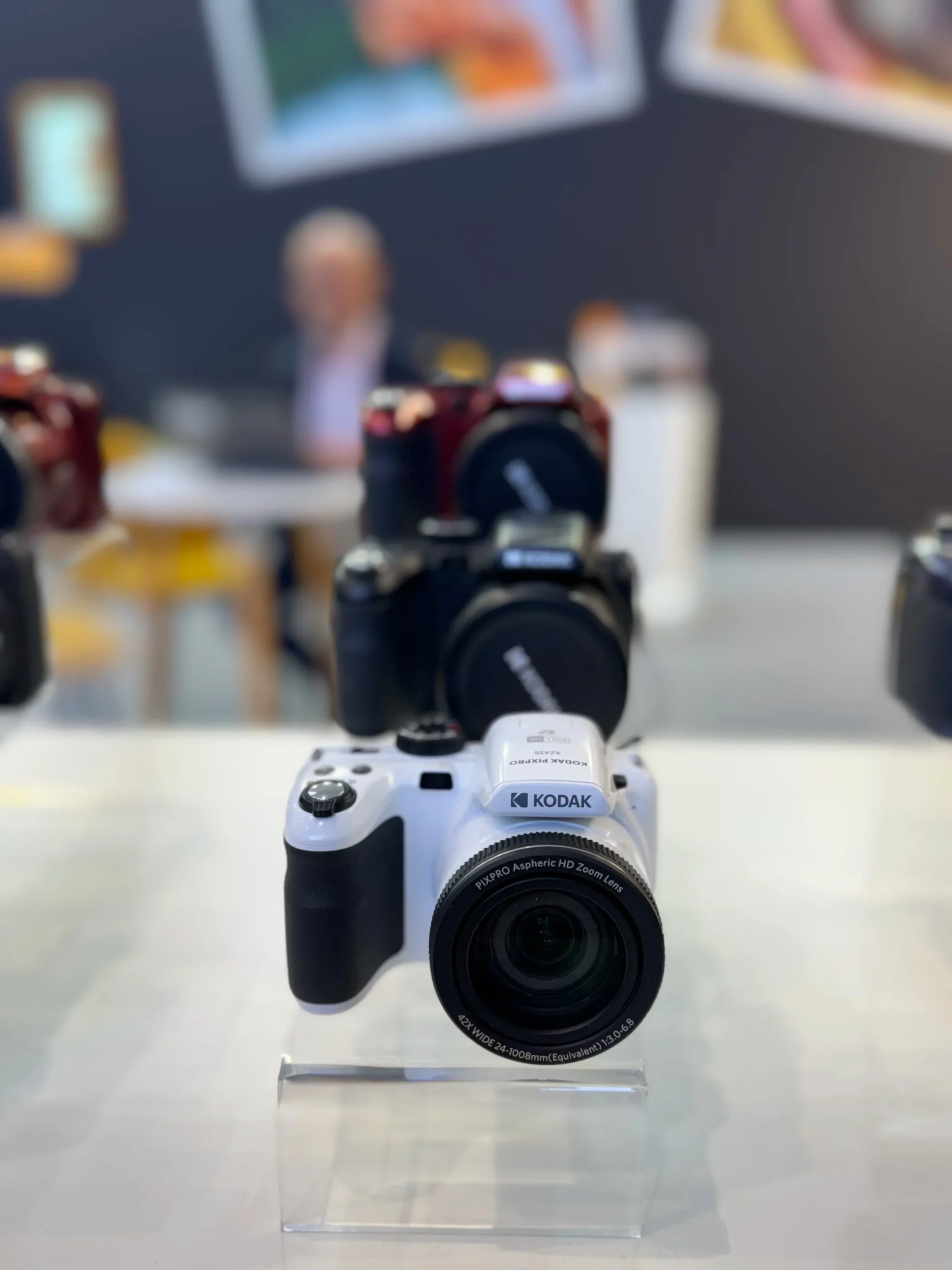
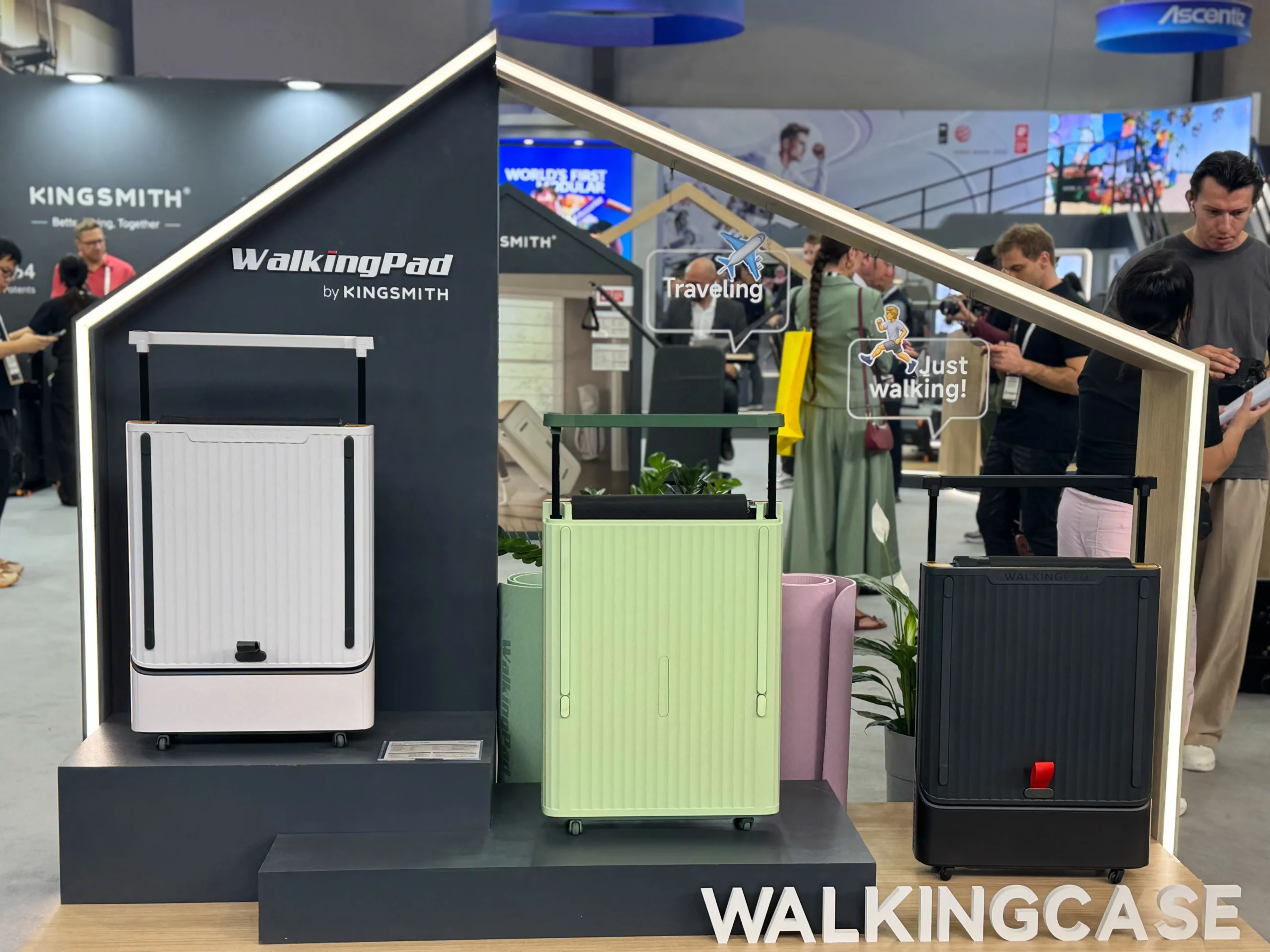
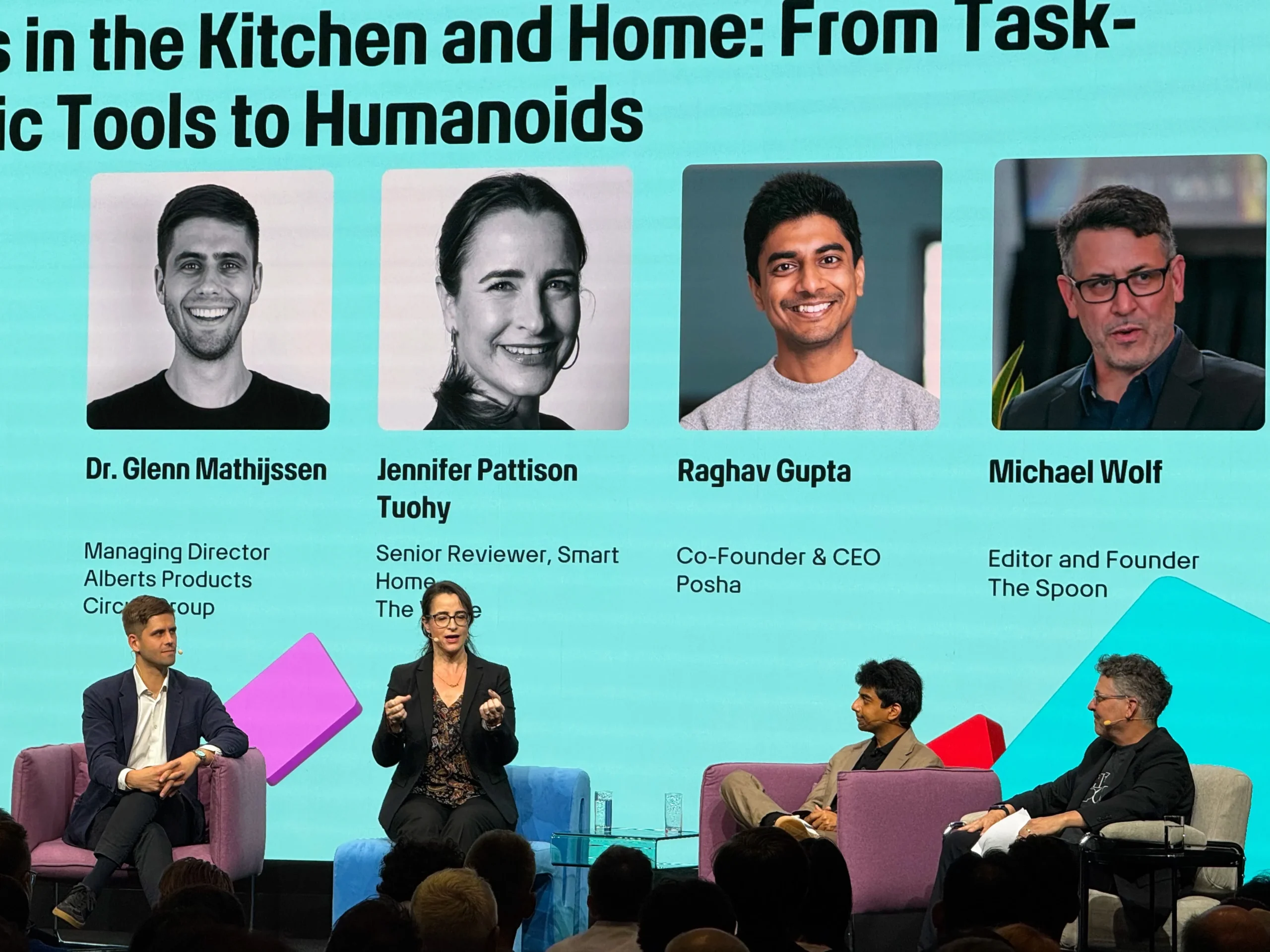
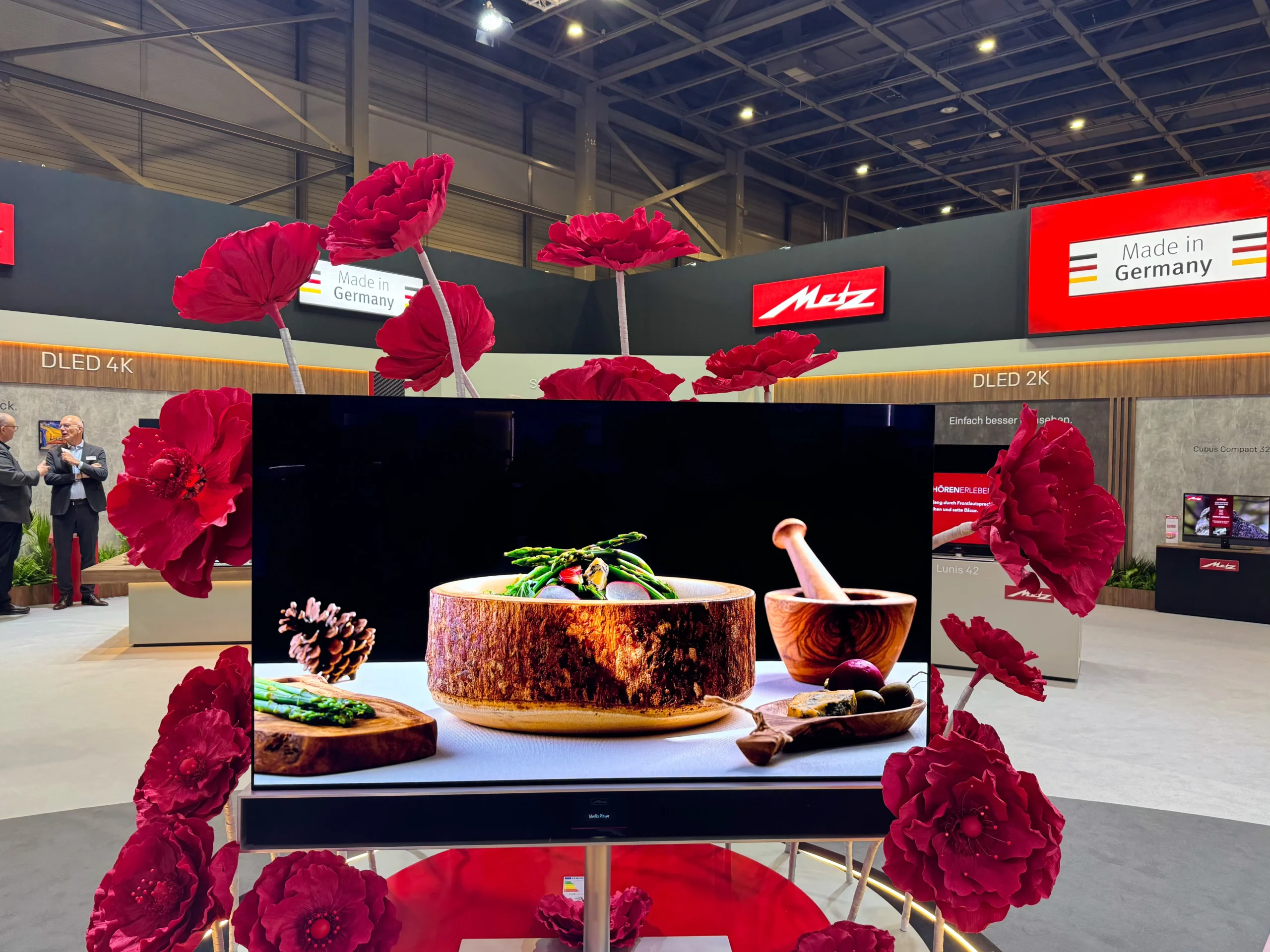
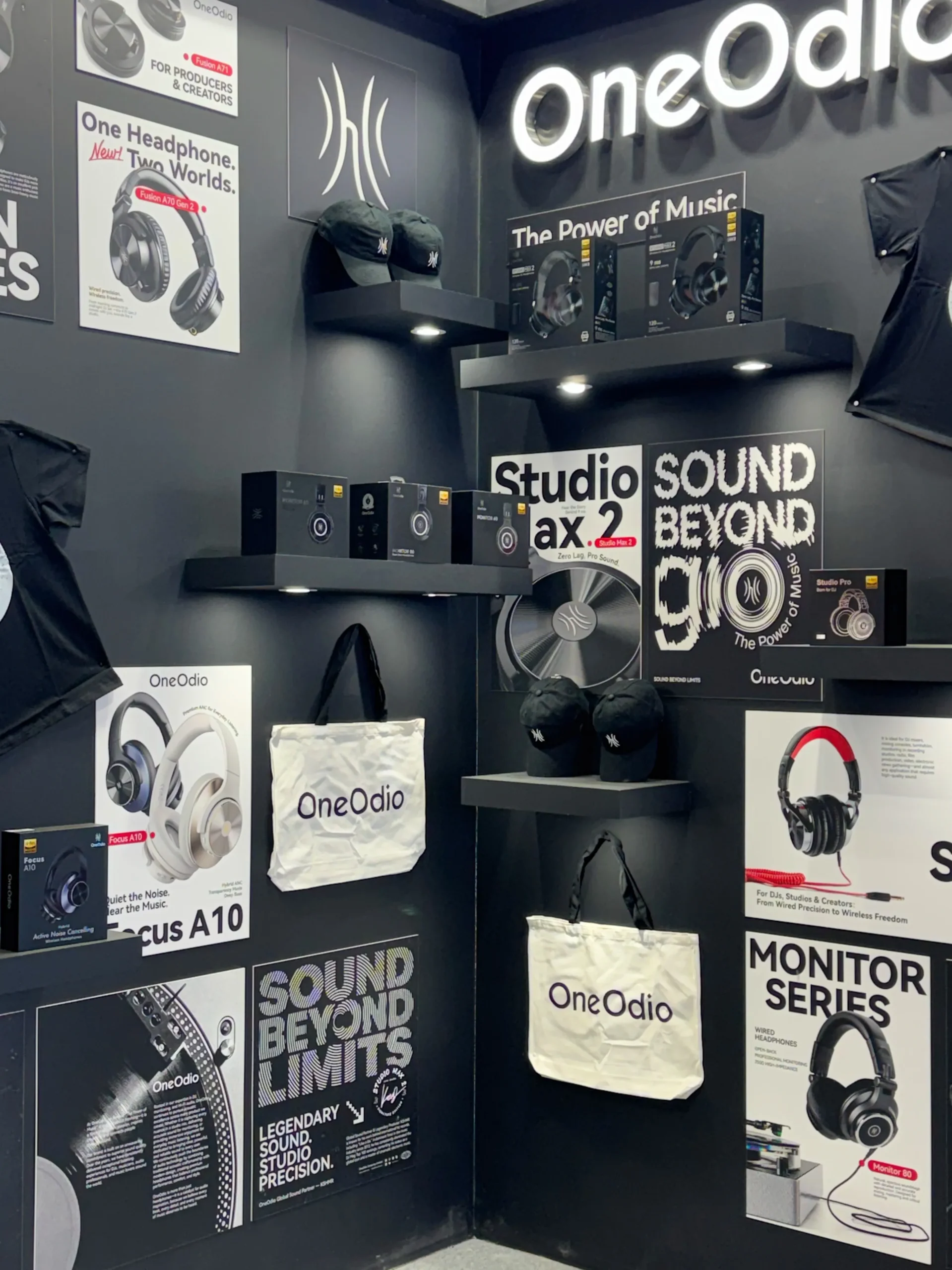
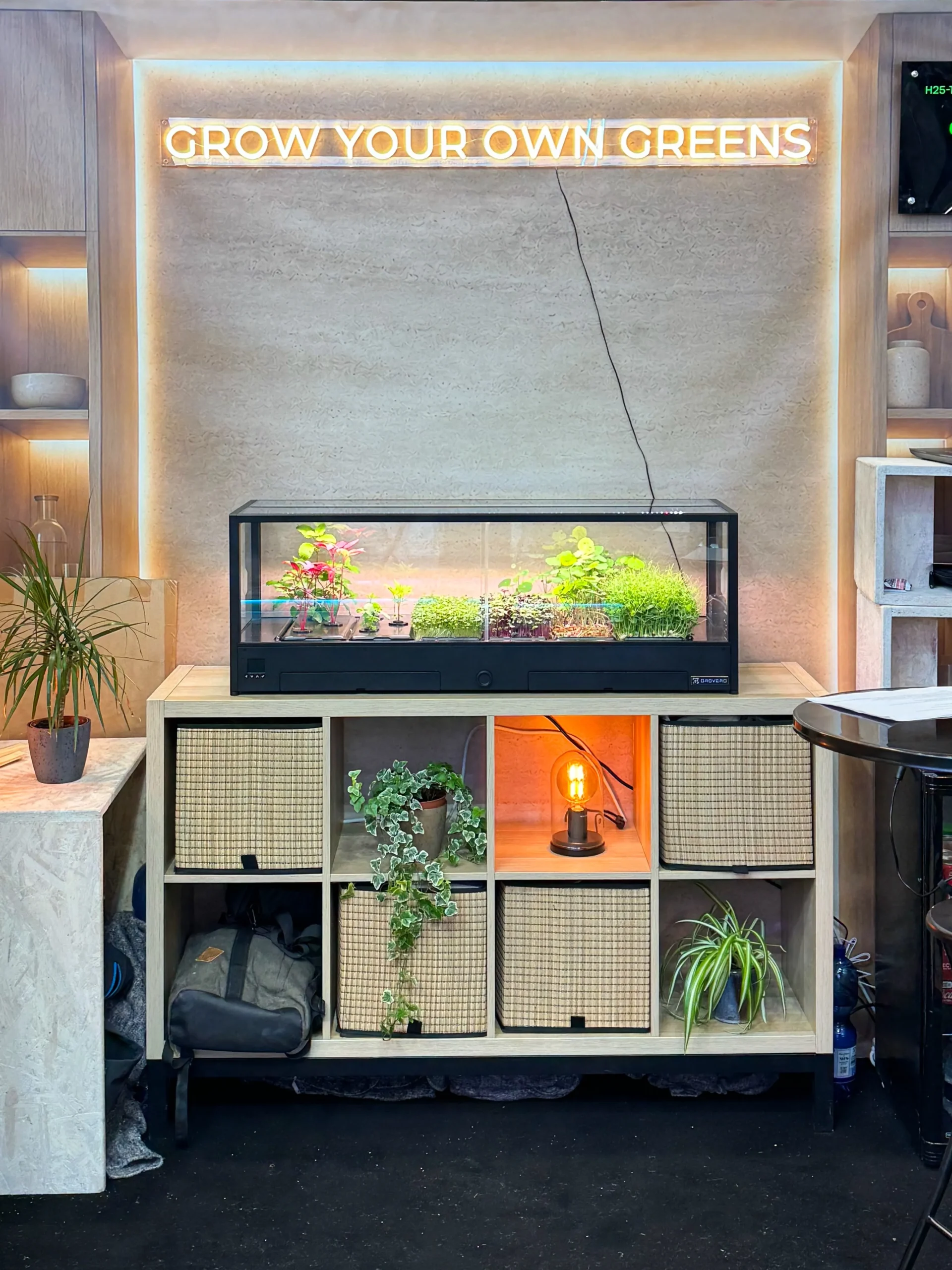
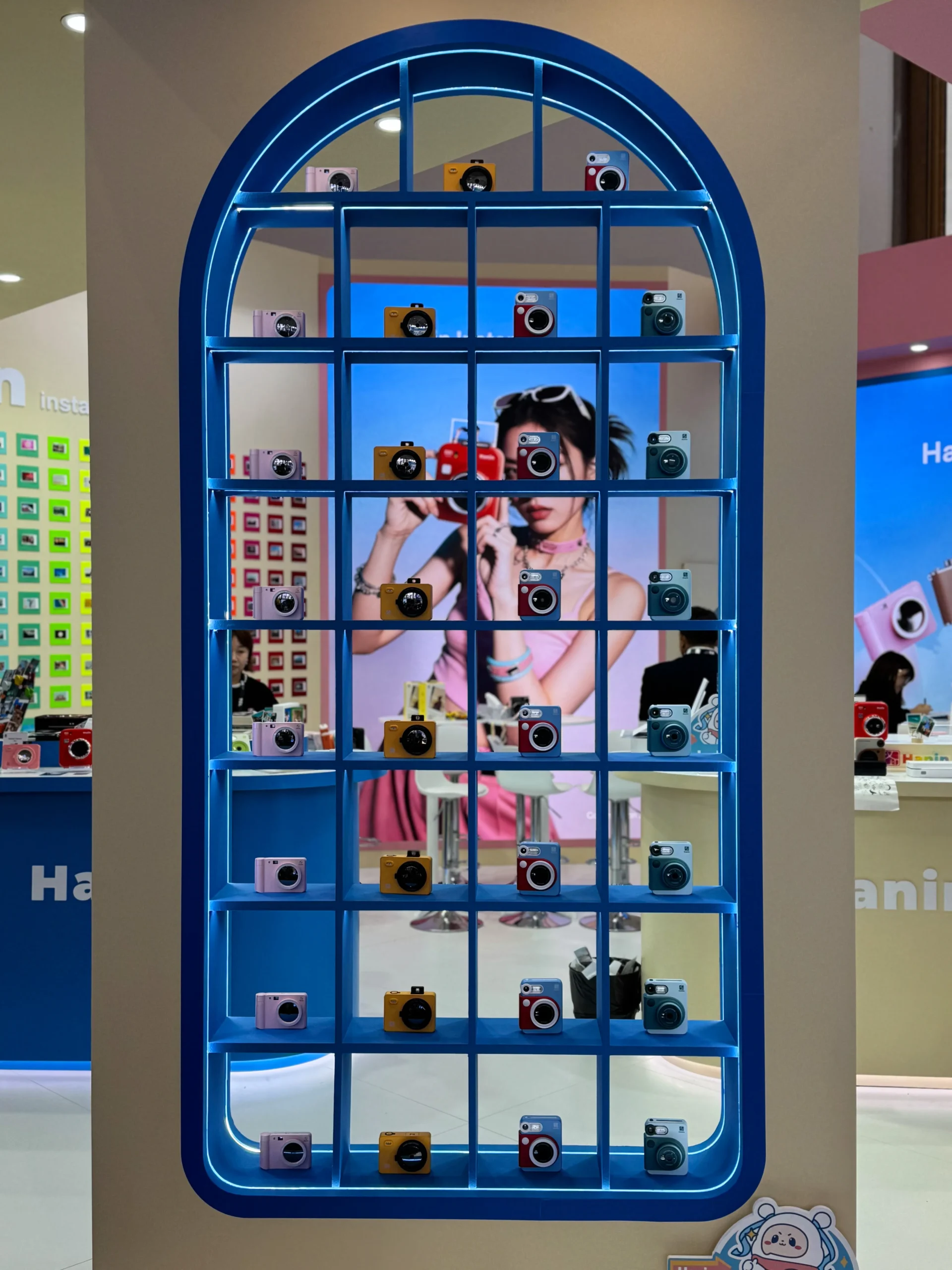
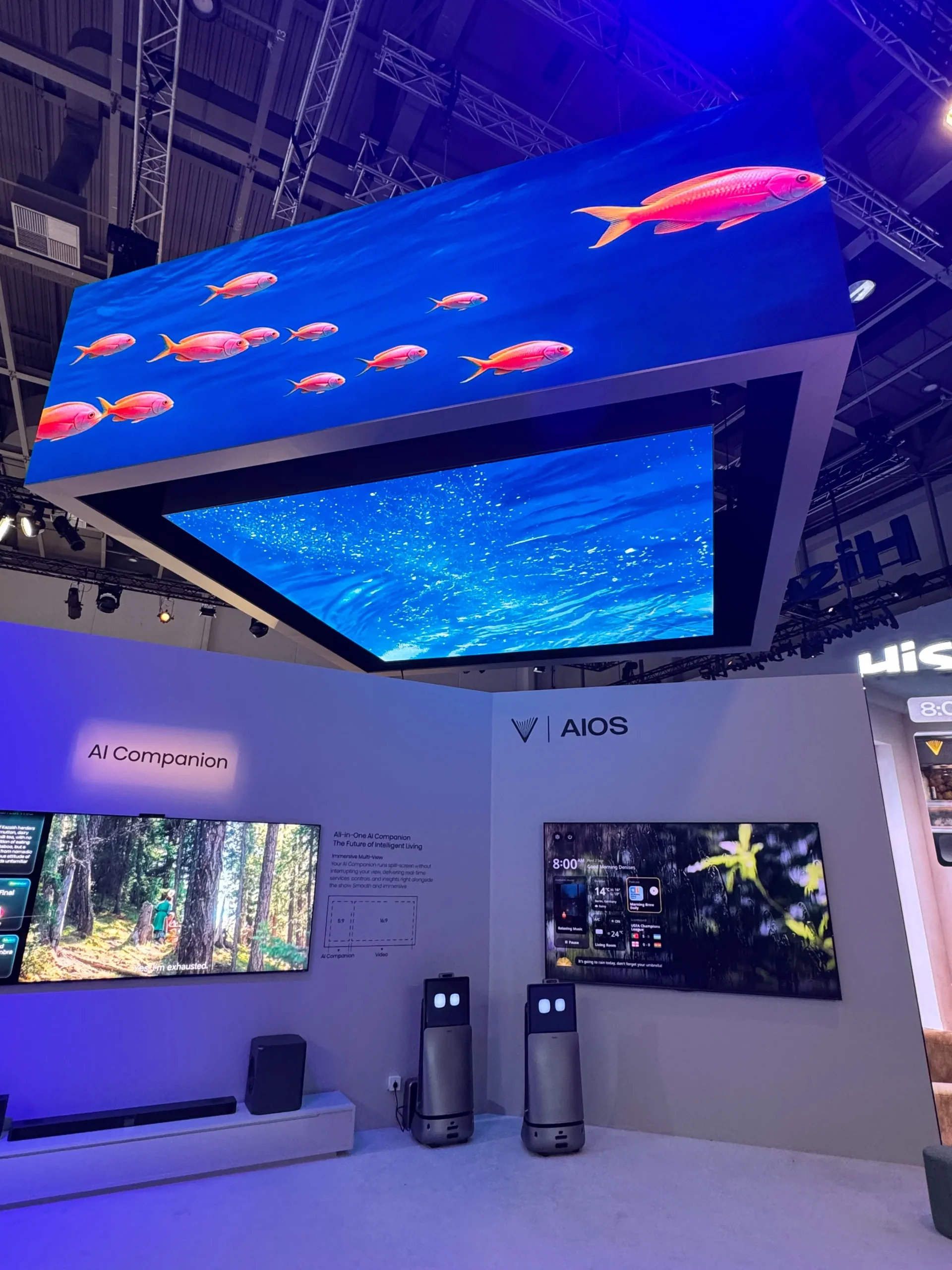
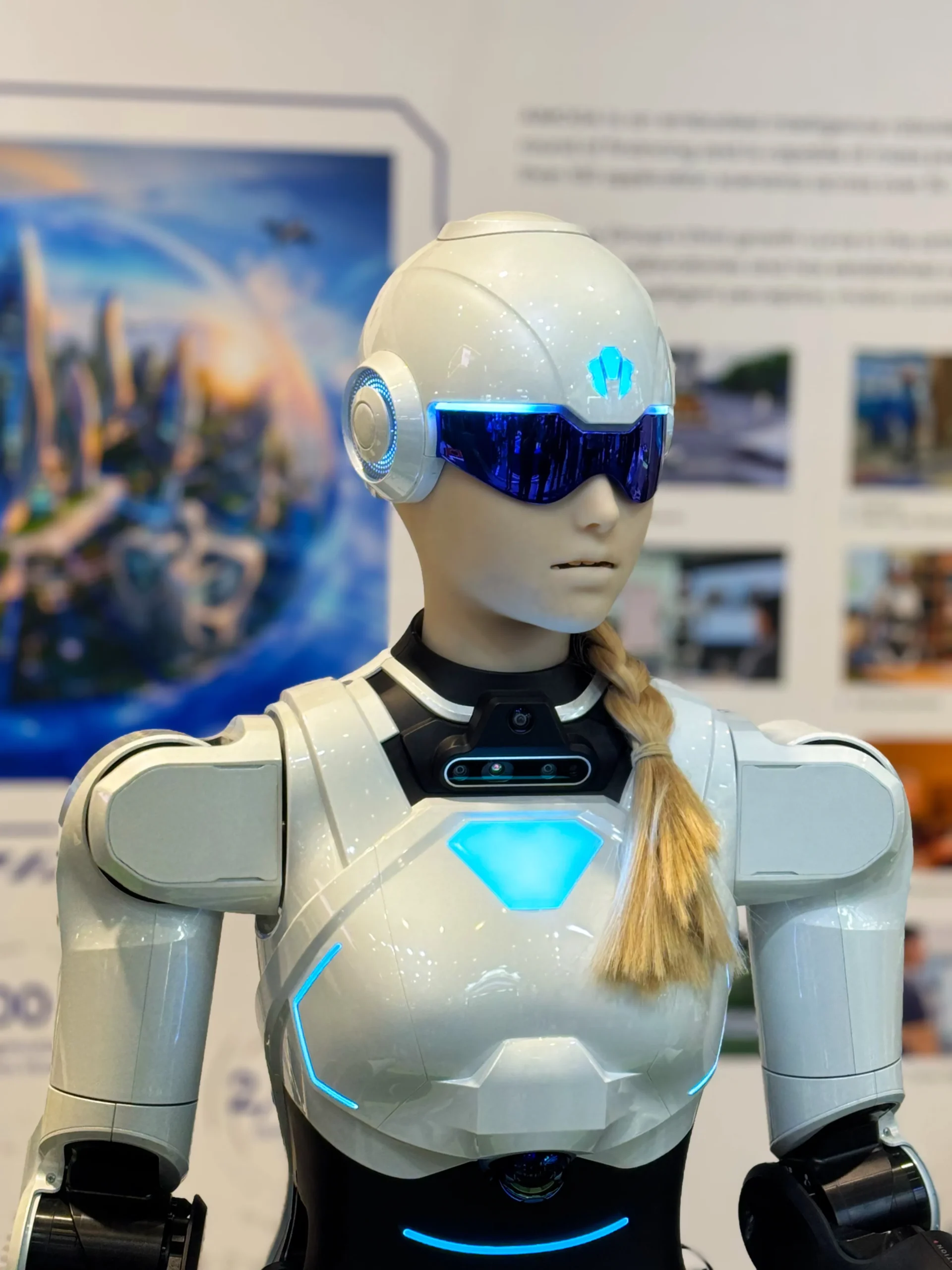
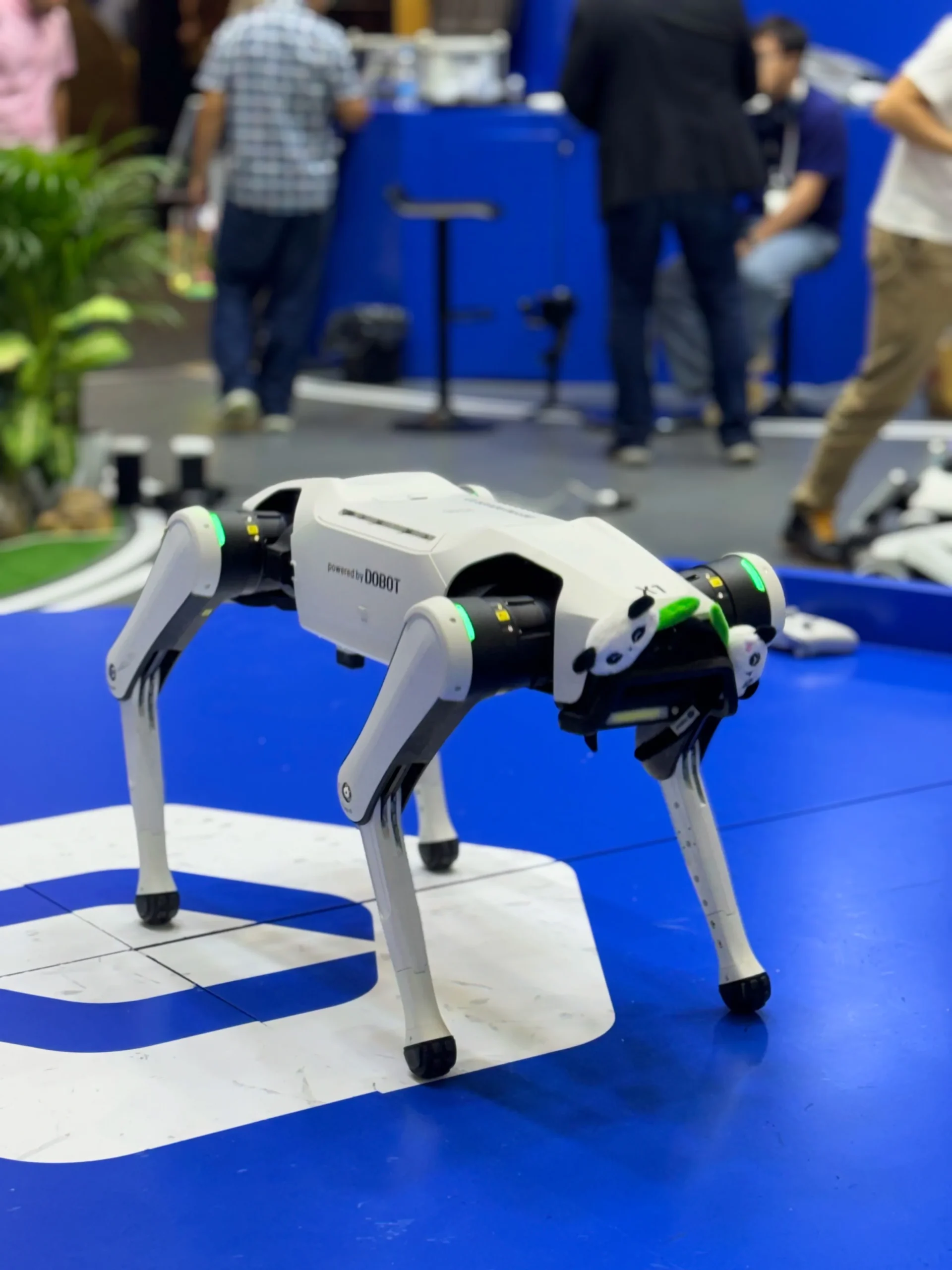
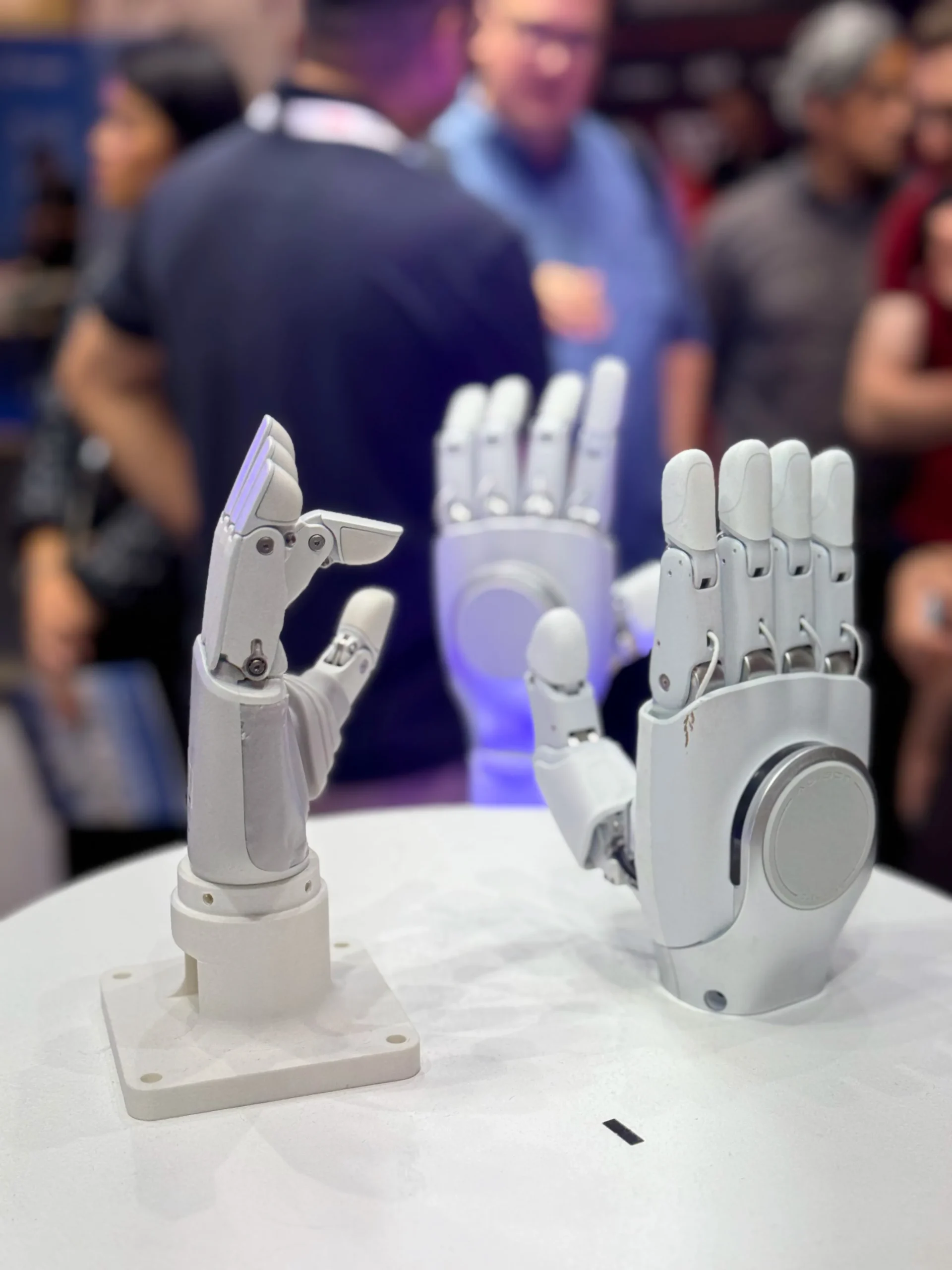
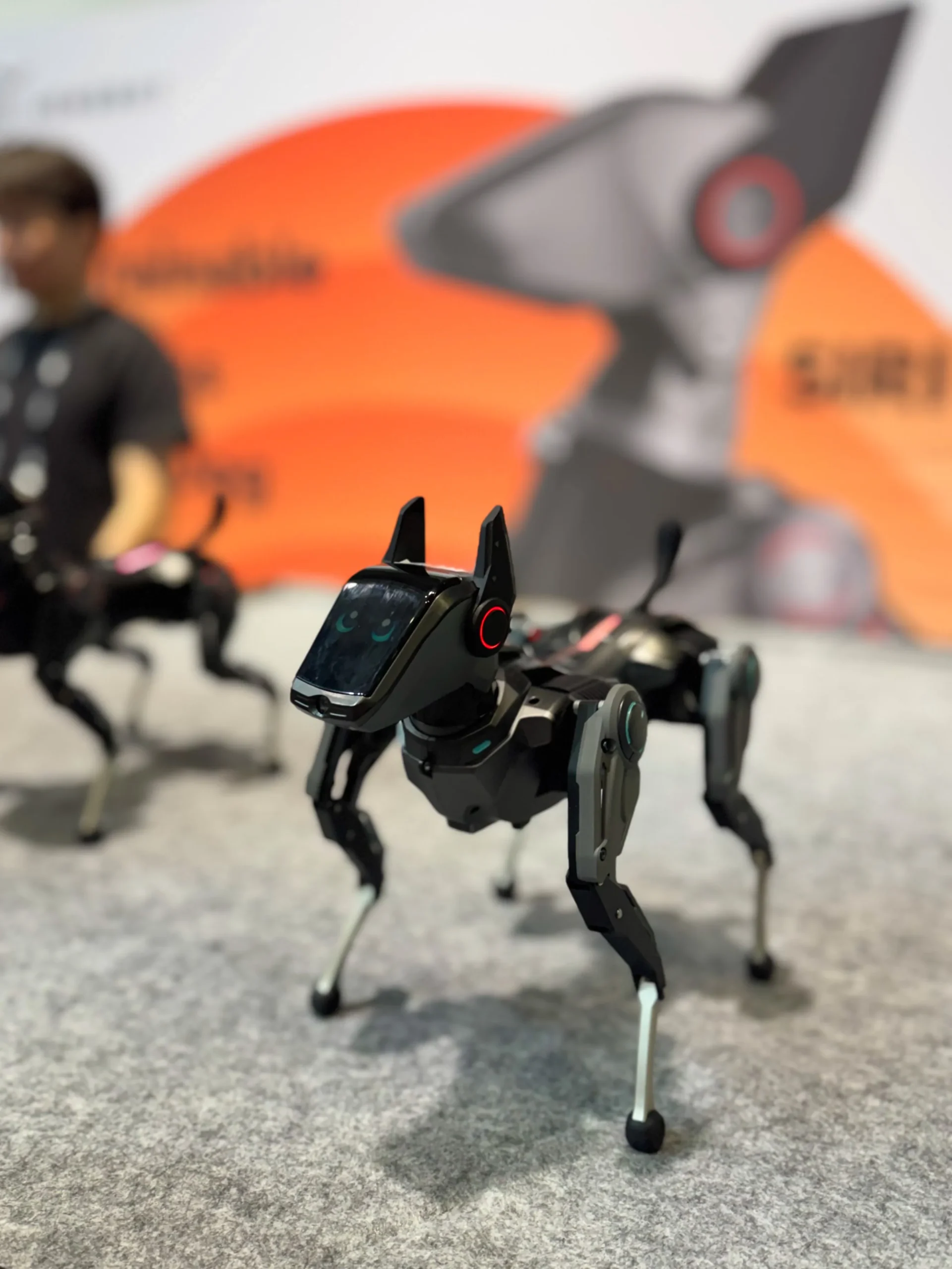
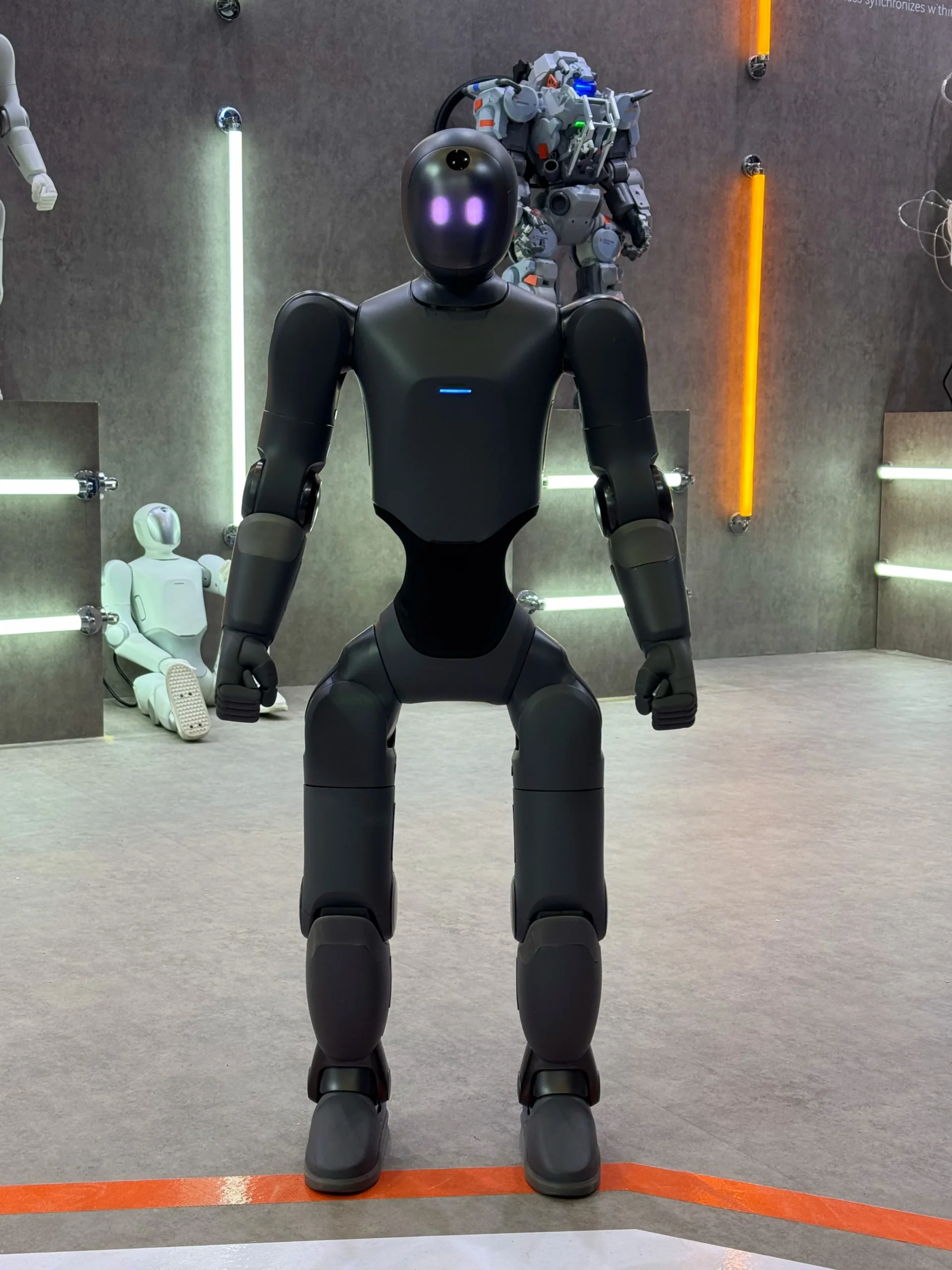
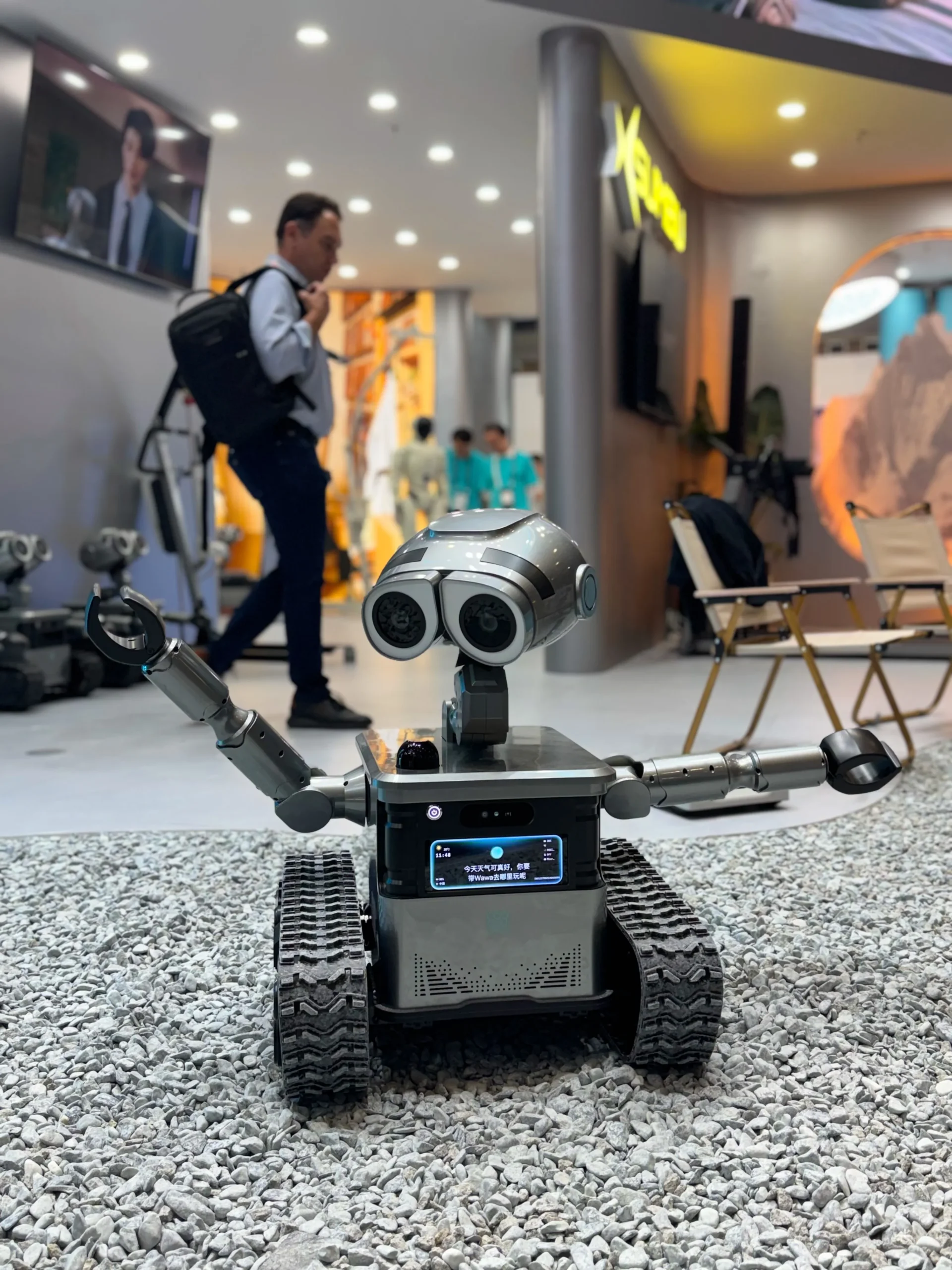
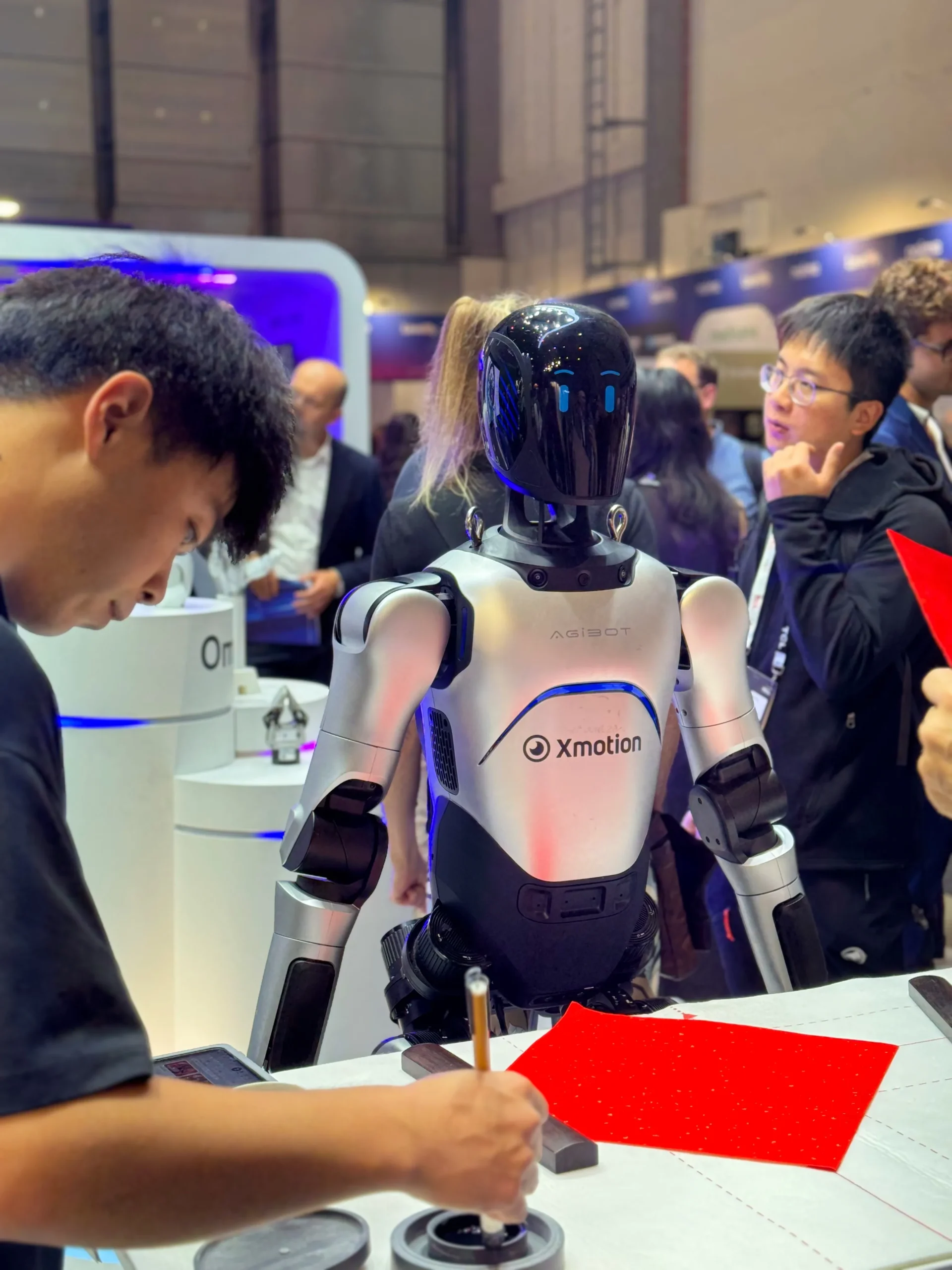
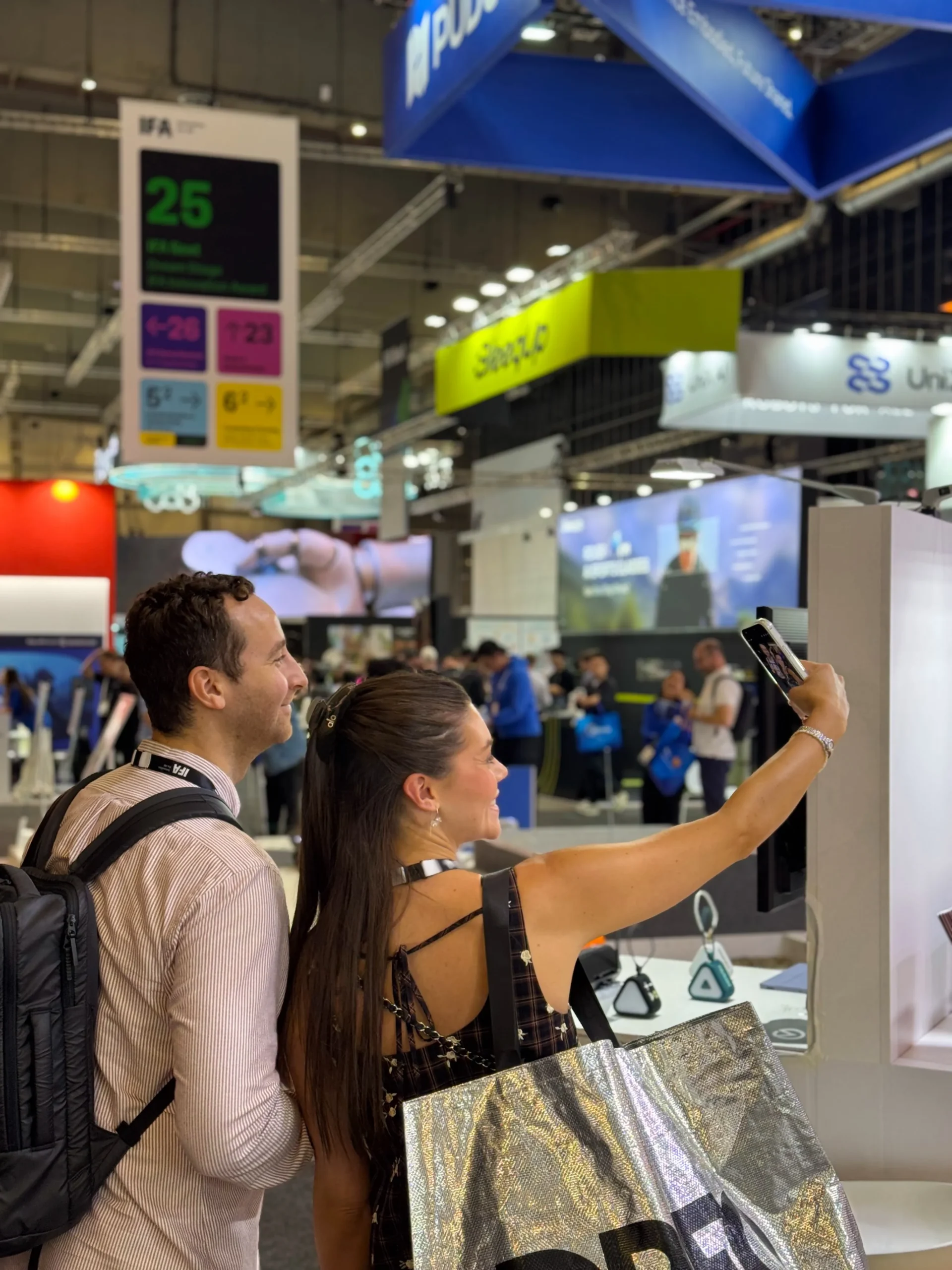
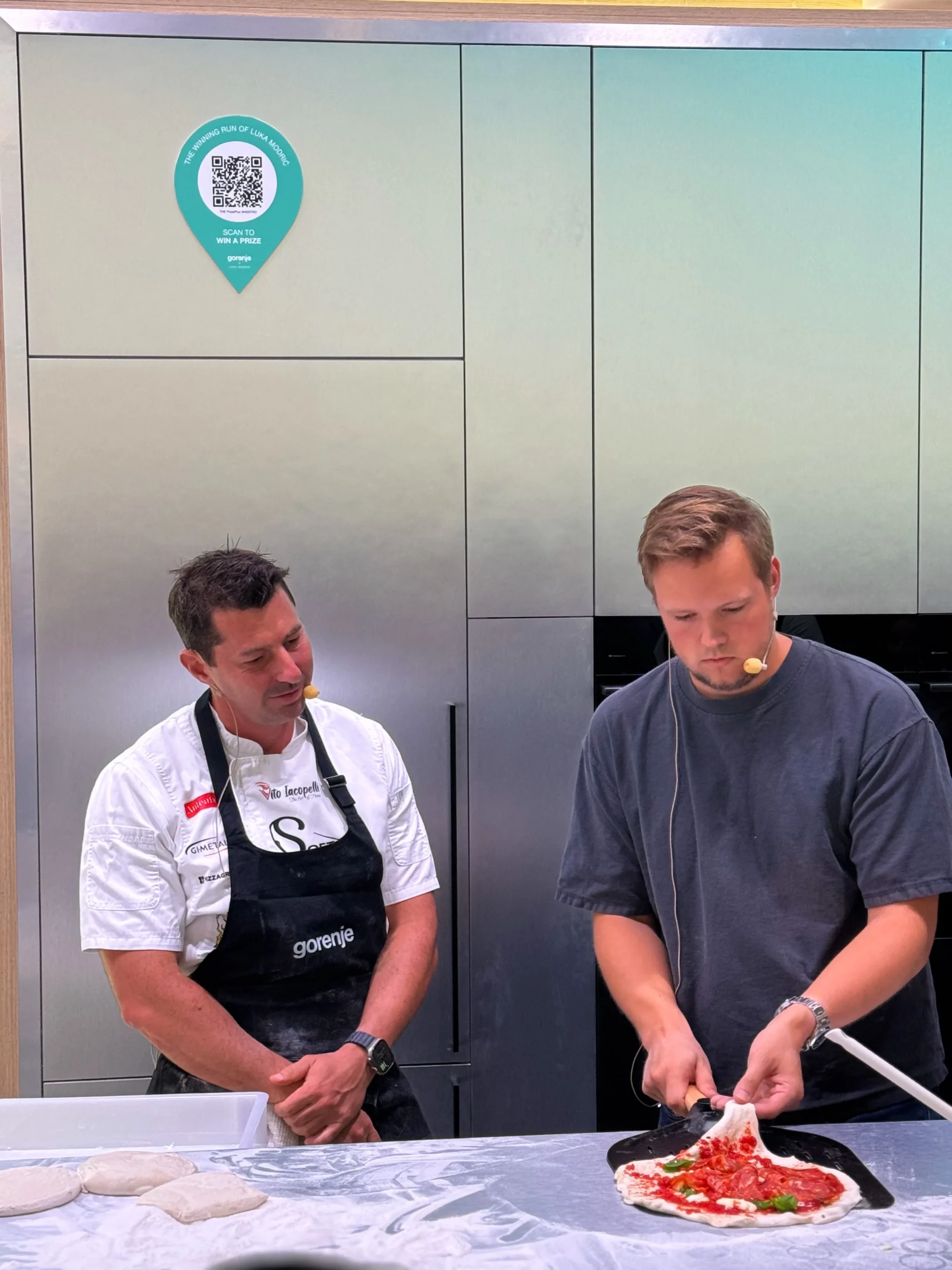
But for me, the most interesting part was not finding one particular device. The real fun was simply walking forward without knowing what would be around the next corner. In one hall, you are surrounded by enormous televisions; in another, there is a robot dog; a few minutes later, you are looking at a refrigerator from the future, then you find yourself among drones, and shortly afterwards you are standing at the small booth of some company with a completely strange device you did not even know existed a minute earlier. This was exactly what created the special atmosphere of IFA. It was a serious international technology event, yet at the same time it never felt boring or overly formal. Something was constantly happening around you: presentations, demonstrations, music, people testing new devices, taking photographs, talking to company representatives, or simply examining another unusual gadget with curiosity. It was surprisingly fun just to get lost in this enormous technological chaos.
In the end, I spent around four hours at IFA. Before the trip, I thought that would be more than enough. Four hours later, I realized how wrong I had been. I had seen only part of the exhibition halls and definitely missed many things I had wanted to see. I could easily have stayed for several more hours — and probably still would not have managed to see everything. But by that point, my legs were voting rather convincingly for the end of the day’s technology program. Four hours of constant walking between halls, stands, and different levels of Messe Berlin had taken their toll. I left IFA very tired, with a phone full of photographs, a head full of gadgets I had seen, and the feeling that I had missed at least half of the exhibition. Perhaps that is the best indication of just how enormous it really is.
IFA turned out to be exactly the kind of event that is fascinating to visit even if you have no intention of finding or buying any particular device. It is an opportunity to spend a few hours surrounded by countless ideas of what manufacturers believe our near technological future might look like. Some of these ideas seem genuinely useful. Some are a little strange. Some make you wonder whether your refrigerator really needs to know quite so much about you. But that is exactly what makes IFA so interesting. And if I find myself at IFA again one day, there is one thing I will definitely know in advance: four hours are simply not enough for this exhibition.
💡 ℹ️ One of the most fascinating facts about IFA is that this exhibition has been showcasing the “technology of the future” for more than a hundred years. The first Internationale Funkausstellung took place in Berlin back in 1924 and was primarily dedicated to radio. In 1930, Albert Einstein spoke at the opening ceremony of IFA, delivering a speech about radio and communication technology. So while walking today among robots, artificial intelligence, smart refrigerators, and drones, it is fascinating to realize that more than nine decades ago visitors to the very same exhibition were looking at the latest radio receivers with much the same sense of excitement.
🇩🇪 Interesting Facts about IFA Berlin
More than 100 years of history. The first Internationale Funkausstellung Berlin took place in 1924, making IFA one of the world’s oldest technology exhibitions.
IFA originally began as a radio exhibition. The name Internationale Funkausstellung is directly connected to radio technology, which in the 1920s was one of the most advanced forms of mass communication.
Albert Einstein opened IFA. In 1930, Einstein gave a speech at the opening of the exhibition about radio and the development of communication technology.
Television was once the technology of the future here. As early as 1928, early television technology was demonstrated at the exhibition — much like robots and artificial intelligence systems are presented to visitors today.
The Funkturm became a symbol of the exhibition grounds. Berlin’s famous radio tower opened in 1926 and still rises above Messe Berlin today, remaining one of the most recognizable symbols associated with IFA.
The compact disc was presented to the public at IFA. In 1981, Philips and Sony demonstrated Compact Disc technology at the exhibition in Berlin — another example of a technology that would later become part of everyday life for millions of people.
From radios to robots. Over its long history, IFA has evolved from radio receivers and early televisions to smartphones, smart homes, artificial intelligence, robotics, and drones.
The exhibition occupies the huge Messe Berlin complex. Dozens of halls and passageways create the feeling of a small city, which is why trying to see the entire IFA in just a few hours quickly becomes an almost impossible task.
IFA remains open to ordinary visitors. Unlike many major technology events aimed primarily at professionals and the press, a significant part of IFA is open to the general public.
One place, many different visions of the future. Today at IFA, you can find smartphones, televisions, kitchen appliances, robots, drones, health and fitness devices, smart-home systems, and countless experimental products all in one place.
Моя подорож на IFA почалася зовсім не з футуристичних роботів, величезних екранів чи розумних будинків. Вона почалася на маленькому вокзалі у моєму швейцарському містечку, звідки мені належало поїздами дістатися до Берліна. І вже дорогою стало зрозуміло, що ця подорож буде трохи цікавішою, ніж планувалося: проблеми з поїздами, затримки, незаплановані пересадки та дощ, який супроводжував мене значну частину шляху. За вікном пропливали міста й села, розмиті краплями на склі, а початок поїздки виглядав доволі сірим — у буквальному сенсі цього слова. На щастя, після прибуття до Берліна погода поступово налагодилася, дощ залишився позаду разом із залізничними пригодами, а настрій одразу став значно кращим.
Однією з головних цілей моєї поїздки до Берліна була IFA, і відвідати виставку я вирішив одразу в перший день. У день відкриття професійні відвідувачі та представники індустрії могли потрапити на територію Messe Berlin уже вранці, тоді як для звичайних відвідувачів двері відкривалися о 12:00. Тож приблизно опівдні я вже був усередині й вирушив досліджувати одну з найвідоміших у світі виставок споживчої електроніки. Перше, що вражає на IFA – її масштаб. Це не один великий виставковий зал, який можна неспішно обійти по колу. Messe Berlin на кілька днів перетворюється на справжнє місто технологій: павільйон за павільйоном, переходи, сходи, внутрішні дворики, величезні стенди глобальних брендів і зовсім маленькі майданчики компаній, назви яких бачиш уперше. Дуже швидко я зрозумів, що побачити тут усе за кілька годин практично неможливо.
Одним із найбільш вражаючих для мене став величезний простір Xiaomi. Компанія представила справді масштабний стенд, де смартфони та носимі пристрої були лише невеликою частиною загальної картини. Телевізори, побутова техніка, пристрої для розумного дому, роботи та безліч інших речей були об’єднані в одну велику екосистему. Саме тут особливо добре відчувалося, наскільки далеко сучасні технологічні компанії вже відійшли від ідеї створювати лише один певний тип пристроїв. Але найбільше на стенді Xiaomi мене, мабуть, вразили їхні автомобілі. Побачити їх наживо було особливо цікаво: ще зовсім недавно Xiaomi асоціювалася для мене насамперед зі смартфонами та різноманітними гаджетами, а тепер поруч із ними стоять повноцінні сучасні електромобілі. Вони виглядали справді ефектно, привертали багато уваги й стали для мене одним із найяскравіших експонатів усієї виставки. Це ще один хороший приклад того, наскільки далеко сьогодні простягається екосистема Xiaomi — від невеликого пристрою в кишені до автомобіля.
Величезну частину IFA займала техніка для дому та кухні. Пральні машини, пилососи, кавові машини, кухонні пристрої, системи очищення повітря — і, звичайно, холодильники. Дуже багато холодильників. Деякі з них уже більше нагадують великі домашні комп’ютери з дверцятами: дисплеї, камери всередині, різні температурні зони, системи контролю продуктів та інтеграція з іншими пристроями розумного дому. Після кількох павільйонів починає здаватися, що виробники холодильників ведуть між собою якусь окрему технологічну війну.
Окремо запам’яталися компанії, що займаються дронами. Тут також добре видно, наскільки далеко ця індустрія пішла від простого «літаючого фотоапарата». Дрони стають компактнішими й розумнішими, отримують дедалі більше автономних функцій і знаходять застосування у зовсім різних сферах. На виставці можна було побачити як знайомі споживчі моделі, так і значно більш спеціалізовані рішення.
Але найцікавішим для мене було навіть не знайти якийсь один конкретний пристрій. Найцікавіше — просто йти вперед і не знати, що буде за наступним поворотом. В одному павільйоні тебе зустрічають величезні телевізори, в іншому — робот-собака, ще через кілька хвилин ти розглядаєш холодильник майбутнього, потім потрапляєш до дронів, а після цього опиняєшся біля невеликого стенда якоїсь компанії з абсолютно дивним пристроєм, про існування якого ще хвилину тому навіть не здогадувався. Саме це створювало особливу атмосферу IFA. Виставка була серйозною міжнародною технологічною подією, але водночас зовсім не здавалася нудною чи надто офіційною. Навколо постійно щось відбувалося: презентації, демонстрації, музика, люди тестували нові пристрої, фотографували, розмовляли з представниками компаній або просто з цікавістю розглядали черговий незвичайний гаджет. У цьому величезному технологічному хаосі було напрочуд весело просто загубитися.
У результаті я провів на IFA приблизно чотири години. Перед поїздкою мені здавалося, що цього цілком достатньо. Через чотири години стало зрозуміло, наскільки я помилявся. Я побачив лише частину павільйонів і точно пропустив багато того, що хотів подивитися. Тут можна було залишатися ще на кілька годин — і все одно навряд чи вдалося б охопити все. Але ноги на той момент уже досить переконливо голосували за завершення технологічної програми дня. Чотири години постійної ходьби між павільйонами, стендами та поверхами Messe Berlin далися взнаки. Я вийшов з IFA дуже втомленим, із телефоном, повним фотографій, головою, повною побачених гаджетів, і з відчуттям, що пропустив щонайменше половину виставки. Мабуть, це і є найкращий показник її масштабу.
IFA виявилася саме такою подією, яку цікаво відвідати навіть без наміру знайти чи купити якийсь конкретний пристрій. Це можливість на кілька годин опинитися серед величезної кількості ідей про те, яким виробники бачать наше найближче технологічне майбутнє. Деякі з цих ідей здаються справді корисними. Деякі — трохи дивними. Деякі змушують задуматися, чи справді моєму холодильнику потрібно знати про мене так багато. Але саме це й робить IFA такою цікавою. І якщо наступного разу я знову опинюся на IFA, одну річ я вже точно знатиму заздалегідь: чотирьох годин на цю виставку недостатньо.
💡 ℹ️ Один із найдивовижніших фактів про IFA полягає в тому, що ця виставка демонструє «технології майбутнього» вже понад сто років. Перша Internationale Funkausstellung відбулася в Берліні ще у 1924 році й була присвячена насамперед радіо. У 1930 році церемонію відкриття IFA проводив Альберт Ейнштейн, який виступив із промовою про радіо та технології зв’язку. Тож, прогулюючись сьогодні між роботами, штучним інтелектом, розумними холодильниками та дронами, цікаво усвідомлювати, що понад дев’ять десятиліть тому відвідувачі цієї ж виставки з таким самим захопленням дивилися на новітні радіоприймачі.
🇩🇪 Цікаві факти про IFA Berlin
Понад 100 років історії. Перша Internationale Funkausstellung Berlin відбулася у 1924 році, що робить IFA однією з найстаріших технологічних виставок світу.
IFA спочатку була виставкою радіо. Назва Internationale Funkausstellung буквально пов’язана з радіотехнологіями, які у 1920-х роках були одним із найсучасніших засобів масової комунікації.
Альберт Ейнштейн відкривав IFA. У 1930 році Ейнштейн виступив із промовою на відкритті виставки, присвяченою радіо та розвитку технологій зв’язку.
Телебачення колись було тут технологією майбутнього. Уже в 1928 році на виставці демонстрували ранні телевізійні технології — приблизно так само, як сьогодні відвідувачам показують роботів та системи штучного інтелекту.
Funkturm став символом виставкового комплексу. Знаменита Берлінська радіовежа була відкрита у 1926 році й досі височіє над територією Messe Berlin, залишаючись одним із найбільш упізнаваних символів IFA.
Компакт-диск представили публіці на IFA. У 1981 році Philips і Sony продемонстрували технологію Compact Disc на виставці в Берліні — ще один приклад технології, яка згодом стала частиною повсякденного життя мільйонів людей.
Від радіо до роботів. За свою історію IFA пройшла шлях від радіоприймачів і перших телевізорів до смартфонів, розумних будинків, штучного інтелекту, робототехніки та дронів.
Виставка займає цілий комплекс Messe Berlin. Десятки павільйонів і переходів створюють відчуття невеликого міста, тому спроба побачити всю IFA за кілька годин дуже швидко перетворюється на майже неможливе завдання.
IFA залишається виставкою для звичайних відвідувачів. На відміну від багатьох великих технологічних заходів, орієнтованих передусім на професіоналів та пресу, значна частина IFA відкрита для широкої публіки.
Одне місце — різні уявлення про майбутнє. Сьогодні поруч на IFA можна побачити смартфони, телевізори, кухонну техніку, роботи, дрони, пристрої для здоров’я та фітнесу, системи розумного дому й безліч експериментальних продуктів.
Meine Reise zur IFA begann nicht mit futuristischen Robotern, riesigen Bildschirmen oder Smart Homes. Sie begann an einem kleinen Bahnhof in meiner Schweizer Stadt, von wo aus ich mich mit dem Zug auf den Weg nach Berlin machte. Und schon unterwegs wurde klar, dass diese Reise etwas abenteuerlicher werden würde als geplant: Probleme mit den Zügen, Verspätungen, ungeplante Umstiege und Regen, der mich einen großen Teil der Strecke begleitete. Hinter den regennassen Zugfenstern zogen Städte und Dörfer vorbei, und der Anfang der Reise sah ziemlich grau aus – im wahrsten Sinne des Wortes. Zum Glück wurde das Wetter nach meiner Ankunft in Berlin allmählich besser, der Regen blieb zusammen mit den Bahnabenteuern hinter mir, und meine Stimmung wurde sofort deutlich besser.
Einer der Hauptgründe für meine Reise nach Berlin war die IFA, und ich beschloss, die Messe gleich an meinem ersten Tag zu besuchen. Am Eröffnungstag konnten Fachbesucher und Vertreter der Branche bereits am Vormittag das Gelände der Messe Berlin betreten, während sich die Türen für das allgemeine Publikum um 12:00 Uhr öffneten. Gegen Mittag war ich also bereits auf dem Gelände und bereit, eine der bekanntesten Messen für Unterhaltungselektronik der Welt zu entdecken. Das Erste, was an der IFA beeindruckt, ist ihre Größe. Es handelt sich nicht einfach um eine riesige Ausstellungshalle, durch die man gemütlich eine Runde drehen kann. Für einige Tage verwandelt sich die Messe Berlin in eine ganze Stadt der Technologie: Halle für Halle, Gänge, Treppen, Innenhöfe, riesige Stände globaler Marken und kleine Ausstellungsflächen von Unternehmen, deren Namen man vielleicht zum ersten Mal sieht. Sehr schnell wurde mir klar, dass es praktisch unmöglich ist, hier in nur wenigen Stunden alles zu sehen.
Einer der beeindruckendsten Bereiche war für mich der riesige Stand von Xiaomi. Das Unternehmen präsentierte einen wirklich großen Ausstellungsbereich, in dem Smartphones und Wearables nur einen kleinen Teil des Gesamtbildes ausmachten. Fernseher, Haushaltsgeräte, Smart-Home-Produkte, Roboter und zahlreiche andere Geräte wurden zu einem großen Ökosystem verbunden. Gerade hier wurde besonders deutlich, wie weit sich moderne Technologieunternehmen inzwischen von der Idee entfernt haben, nur eine bestimmte Art von Gerät herzustellen. Am meisten beeindruckten mich am Xiaomi-Stand aber wahrscheinlich die Autos. Es war besonders interessant, sie einmal in echt zu sehen: Noch vor nicht allzu langer Zeit verband ich Xiaomi vor allem mit Smartphones und verschiedenen Gadgets, und jetzt standen direkt daneben moderne Elektroautos in voller Größe. Sie sahen wirklich beeindruckend aus, zogen viel Aufmerksamkeit auf sich und gehörten für mich zu den eindrucksvollsten Exponaten der gesamten Messe. Sie sind ein weiteres gutes Beispiel dafür, wie weit das Xiaomi-Ökosystem inzwischen reicht – von einem kleinen Gerät in der Hosentasche bis hin zum Auto.
Ein riesiger Teil der IFA war der Technik für Haushalt und Küche gewidmet. Waschmaschinen, Staubsauger, Kaffeemaschinen, Küchengeräte, Luftreinigungssysteme – und natürlich Kühlschränke. Sehr viele Kühlschränke. Einige von ihnen erinnern inzwischen eher an große Computer mit Türen: Displays, Kameras im Inneren, unterschiedliche Temperaturzonen, Systeme zur Verwaltung von Lebensmitteln und die Integration mit anderen Smart-Home-Geräten. Nachdem man durch einige Hallen gelaufen ist, bekommt man langsam das Gefühl, dass die Kühlschrankhersteller untereinander einen ganz eigenen technologischen Krieg führen.
Besonders in Erinnerung geblieben sind mir auch die Unternehmen, die sich mit Drohnen beschäftigen. Auch hier konnte man gut erkennen, wie weit sich diese Branche von der einfachen Idee einer „fliegenden Kamera“ entfernt hat. Drohnen werden kompakter und intelligenter, erhalten immer mehr autonome Funktionen und finden in ganz unterschiedlichen Bereichen Anwendung. Auf der Messe konnte man sowohl bekannte Modelle für Privatkunden als auch deutlich spezialisiertere Lösungen sehen.
Das Interessanteste war für mich jedoch nicht, ein bestimmtes Gerät zu finden. Der eigentliche Spaß bestand darin, einfach weiterzugehen und nicht zu wissen, was hinter der nächsten Ecke wartet. In einer Halle steht man vor riesigen Fernsehern, in der nächsten begegnet einem ein Roboterhund, ein paar Minuten später betrachtet man einen Kühlschrank der Zukunft, danach landet man bei den Drohnen und kurz darauf steht man vor dem kleinen Stand irgendeines Unternehmens mit einem völlig ungewöhnlichen Gerät, von dessen Existenz man eine Minute zuvor noch nichts wusste. Genau das machte die besondere Atmosphäre der IFA aus. Es war eine große internationale Technologiemesse, gleichzeitig wirkte sie aber überhaupt nicht langweilig oder übermäßig formell. Rundherum passierte ständig etwas: Präsentationen, Vorführungen, Musik, Menschen testeten neue Geräte, machten Fotos, unterhielten sich mit Vertretern der Unternehmen oder betrachteten einfach neugierig das nächste ungewöhnliche Gadget. Es machte überraschend viel Spaß, sich in diesem riesigen technologischen Chaos einfach treiben zu lassen.
Am Ende verbrachte ich ungefähr vier Stunden auf der IFA. Vor der Reise dachte ich, dass das mehr als genug sein würde. Vier Stunden später wusste ich, wie sehr ich mich geirrt hatte. Ich hatte nur einen Teil der Ausstellungshallen gesehen und definitiv vieles verpasst, was ich eigentlich noch anschauen wollte. Ich hätte problemlos noch einige Stunden bleiben können – und wahrscheinlich trotzdem nicht alles gesehen. Aber zu diesem Zeitpunkt stimmten meine Beine bereits ziemlich überzeugend für das Ende des Technologieprogramms an diesem Tag. Vier Stunden ständiges Laufen zwischen Hallen, Ständen und verschiedenen Ebenen der Messe Berlin machten sich deutlich bemerkbar. Ich verliess die IFA sehr müde, mit einem Smartphone voller Fotos, einem Kopf voller Gadgets und dem Gefühl, mindestens die Hälfte der Ausstellung verpasst zu haben. Vielleicht ist genau das der beste Beweis dafür, wie riesig diese Messe tatsächlich ist.
Die IFA erwies sich als genau die Art von Veranstaltung, deren Besuch auch dann spannend ist, wenn man gar nicht vorhat, ein bestimmtes Gerät zu finden oder zu kaufen. Für einige Stunden kann man hier in unzählige Ideen darüber eintauchen, wie die Hersteller unsere technologische Zukunft in naher Zukunft sehen. Einige dieser Ideen wirken wirklich nützlich. Andere sind ein wenig seltsam. Und manche lassen einen darüber nachdenken, ob der eigene Kühlschrank wirklich so viel über einen wissen muss. Aber genau das macht die IFA so interessant. Und wenn ich eines Tages wieder auf der IFA bin, werde ich eines schon vorher ganz sicher wissen: Vier Stunden reichen für diese Messe einfach nicht aus.
💡 ℹ️ Eine der faszinierendsten Tatsachen über die IFA ist, dass diese Messe bereits seit mehr als hundert Jahren die „Technologie der Zukunft“ präsentiert. Die erste Internationale Funkausstellung fand bereits 1924 in Berlin statt und war vor allem dem Radio gewidmet. Im Jahr 1930 hielt Albert Einstein bei der Eröffnung der IFA eine Rede über Radio und Kommunikationstechnologie. Wenn man heute zwischen Robotern, künstlicher Intelligenz, intelligenten Kühlschränken und Drohnen unterwegs ist, ist es faszinierend, sich vorzustellen, dass die Besucher derselben Ausstellung vor mehr als neun Jahrzehnten mit ganz ähnlicher Begeisterung die neuesten Radiogeräte betrachteten.
🇩🇪 Interessante Fakten über die IFA Berlin
Mehr als 100 Jahre Geschichte. Die erste Internationale Funkausstellung Berlin fand 1924 statt. Damit gehört die IFA zu den ältesten Technologiemessen der Welt.
Die IFA begann ursprünglich als Radioausstellung. Der Name Internationale Funkausstellung ist direkt mit der Radiotechnik verbunden, die in den 1920er-Jahren zu den modernsten Formen der Massenkommunikation gehörte.
Albert Einstein eröffnete die IFA. Im Jahr 1930 hielt Einstein bei der Eröffnung der Ausstellung eine Rede über Radio und die Entwicklung der Kommunikationstechnologie.
Auch das Fernsehen war hier einmal die Technologie der Zukunft. Bereits 1928 wurden auf der Ausstellung frühe Fernsehtechnologien demonstriert – ähnlich wie den Besuchern heute Roboter und Systeme mit künstlicher Intelligenz präsentiert werden.
Der Funkturm wurde zum Wahrzeichen des Messegeländes. Der berühmte Berliner Funkturm wurde 1926 eröffnet und erhebt sich noch heute über dem Gelände der Messe Berlin. Er ist bis heute eines der bekanntesten Wahrzeichen, die mit der IFA verbunden sind.
Die Compact Disc wurde auf der IFA der Öffentlichkeit präsentiert. 1981 demonstrierten Philips und Sony auf der Messe in Berlin die Compact-Disc-Technologie – ein weiteres Beispiel für eine Technologie, die später zum Alltag von Millionen Menschen gehören sollte.
Vom Radio bis zum Roboter. Im Laufe ihrer langen Geschichte entwickelte sich die IFA von Radiogeräten und frühen Fernsehern hin zu Smartphones, Smart Homes, künstlicher Intelligenz, Robotik und Drohnen.
Die Ausstellung erstreckt sich über den riesigen Komplex der Messe Berlin. Dutzende Hallen und Verbindungsgänge vermitteln das Gefühl einer kleinen Stadt. Deshalb wird der Versuch, die gesamte IFA innerhalb weniger Stunden zu sehen, sehr schnell zu einer fast unmöglichen Aufgabe.
Die IFA bleibt auch für normale Besucher geöffnet. Im Gegensatz zu vielen großen Technologieveranstaltungen, die sich hauptsächlich an Fachleute und die Presse richten, ist ein großer Teil der IFA für das allgemeine Publikum zugänglich.
Ein Ort – viele unterschiedliche Vorstellungen von der Zukunft. Heute findet man auf der IFA Smartphones, Fernseher, Küchengeräte, Roboter, Drohnen, Gesundheits- und Fitnessgeräte, Smart-Home-Systeme und zahlreiche experimentelle Produkte an einem Ort.
 ©Every Mile Story
 ©Every Mile Story
 ©Every Mile Story
 ©Every Mile Story
 ©Every Mile Story
 ©Every Mile Story
 ©Every Mile Story
 ©Every Mile Story
 ©Every Mile Story
 ©Every Mile Story
 ©Every Mile Story
 ©Every Mile Story
 ©Every Mile Story
 ©Every Mile Story
 ©Every Mile Story
 ©Every Mile Story
 ©Every Mile Story
 ©Every Mile Story
 ©Every Mile Story
 ©Every Mile Story
 ©Every Mile Story
 ©Every Mile Story
 ©Every Mile Story
 ©Every Mile Story
 ©Every Mile Story
 ©Every Mile Story
 ©Every Mile Story
