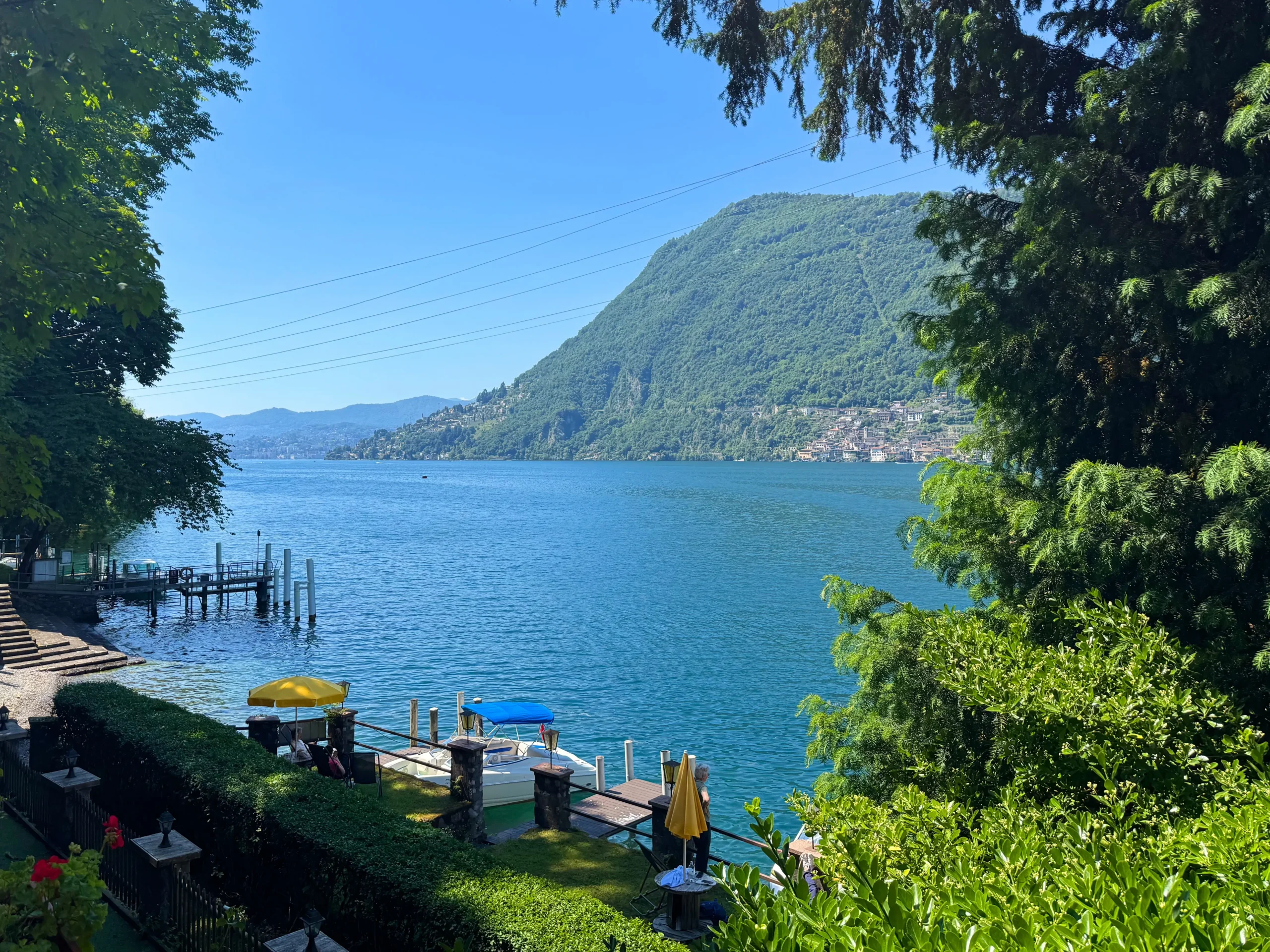
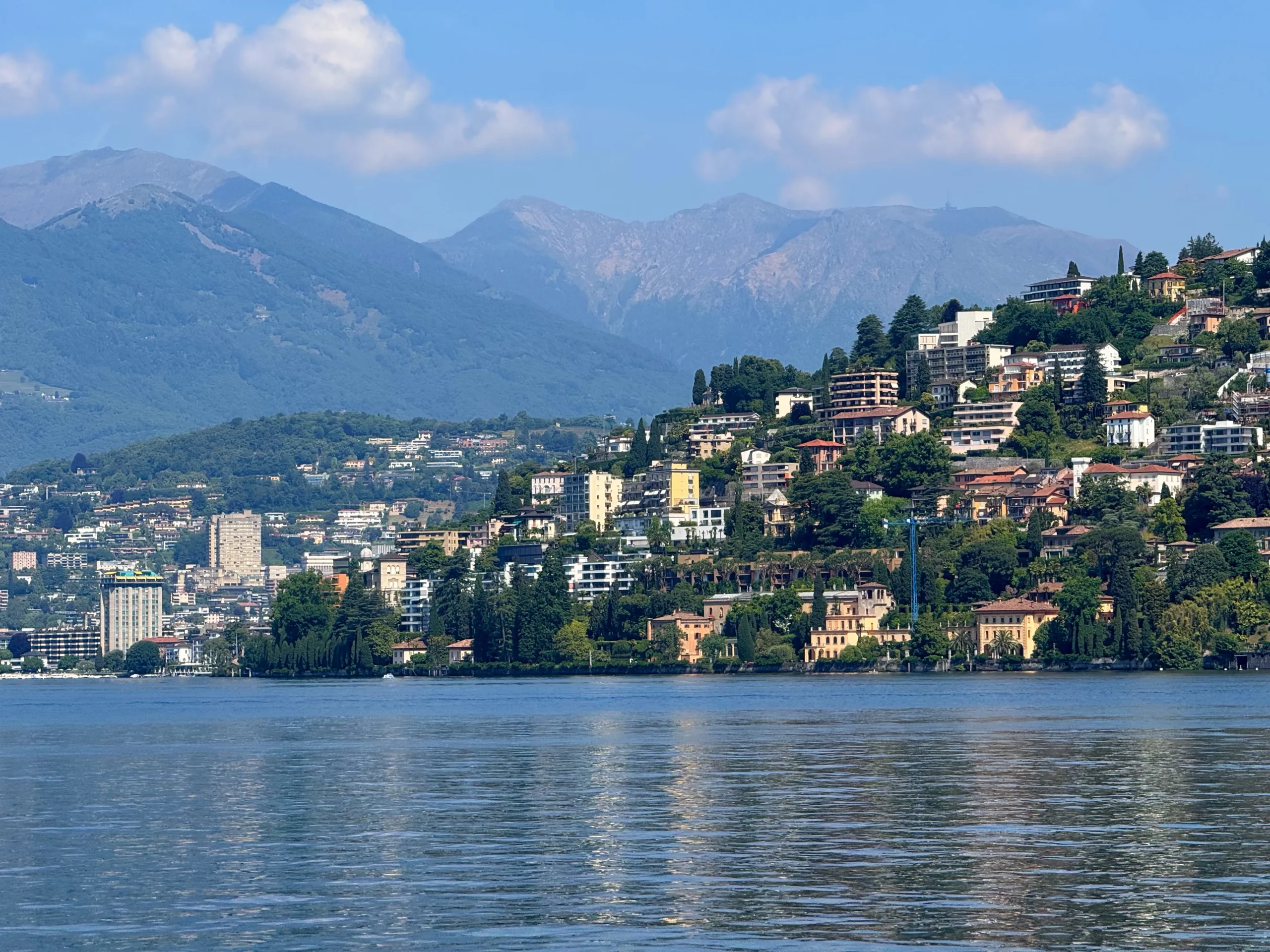
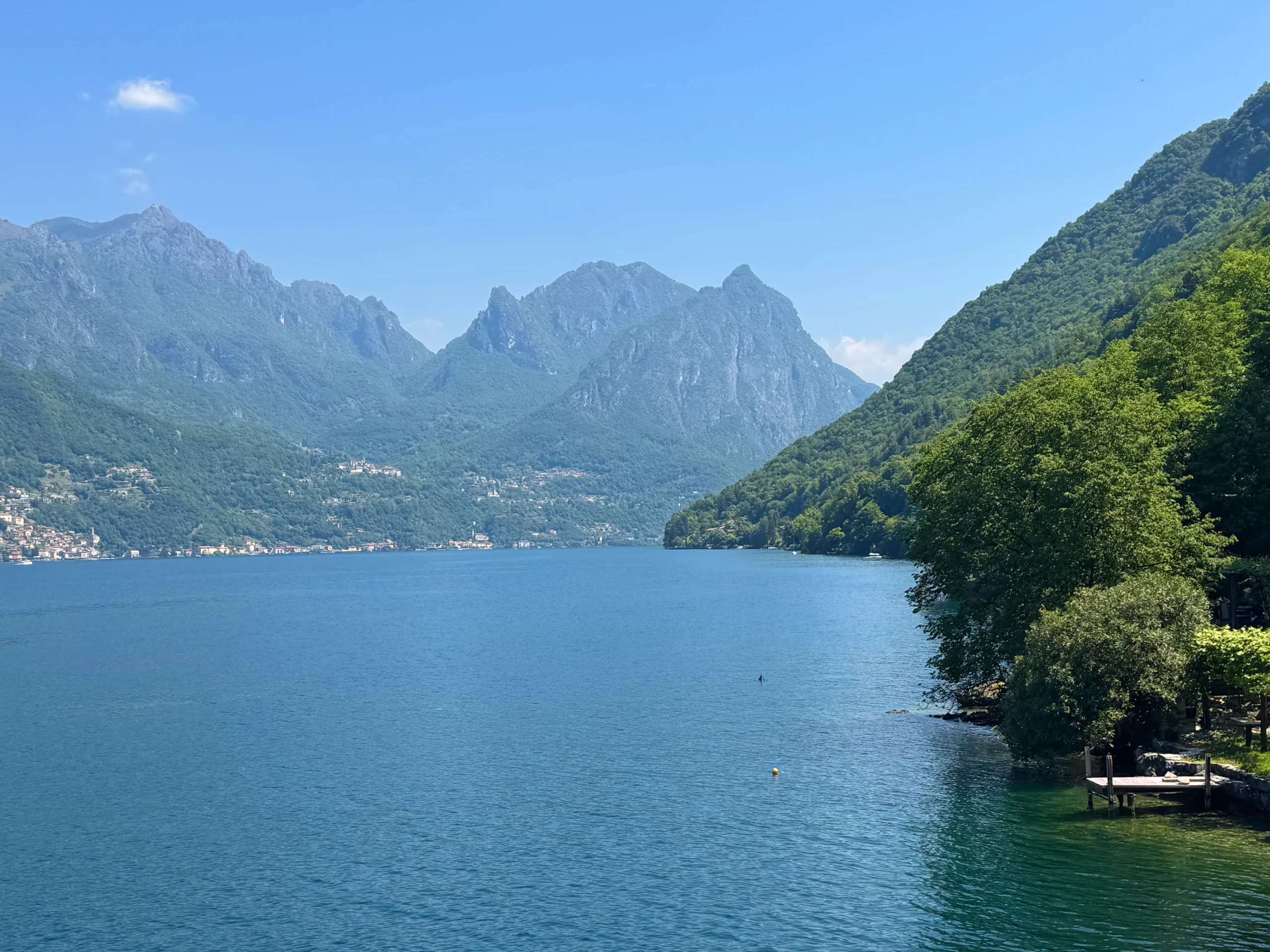
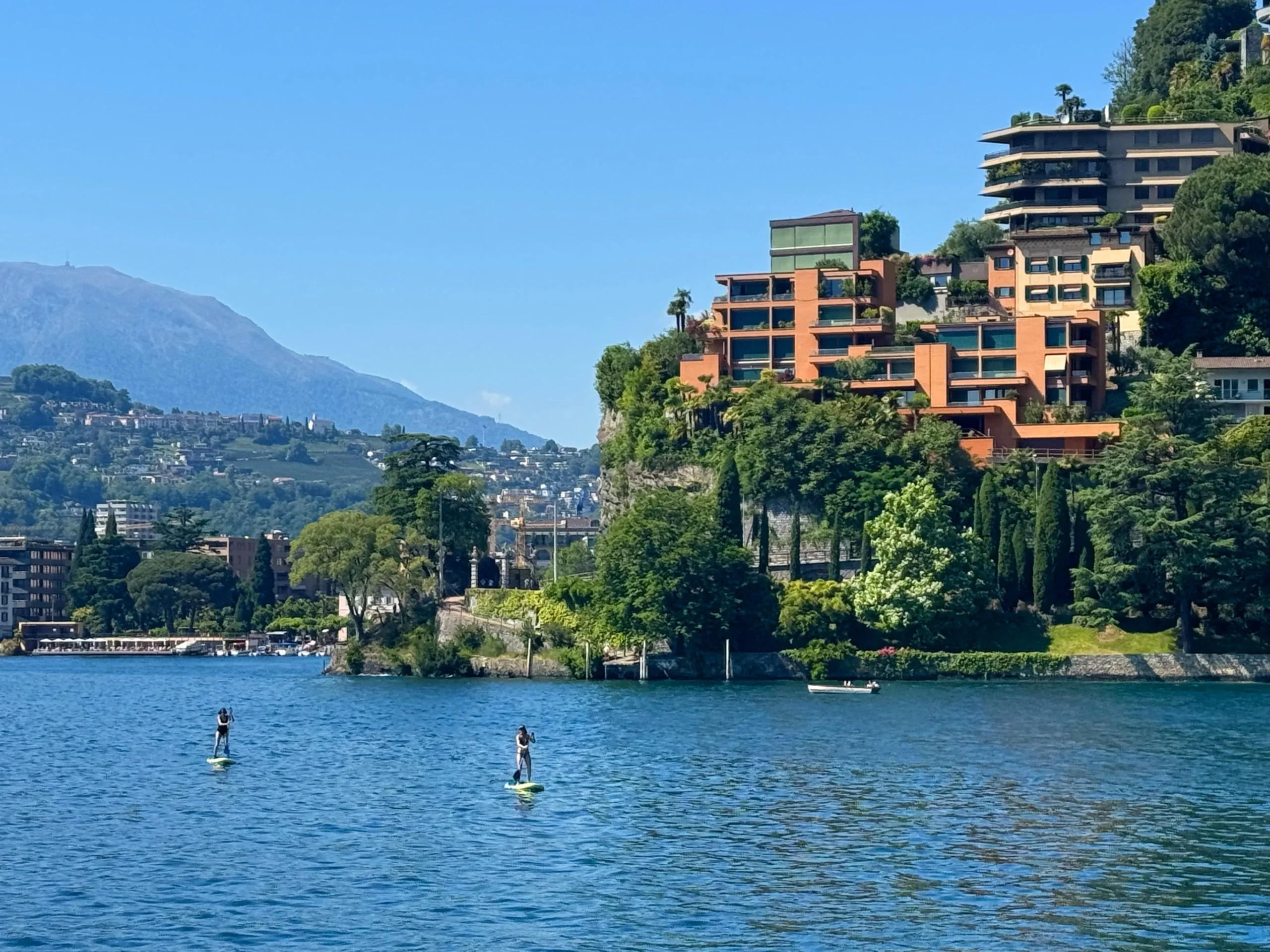
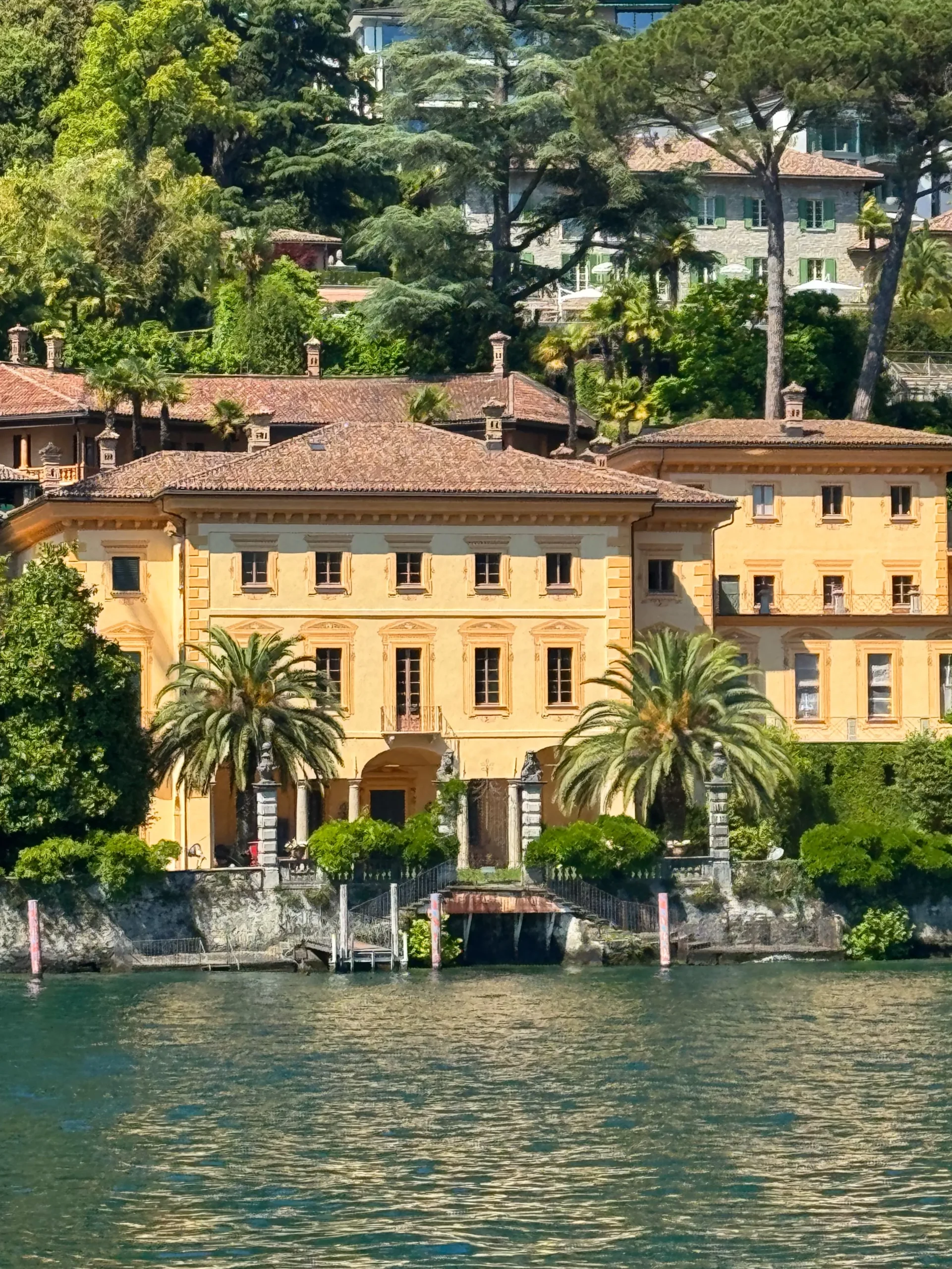
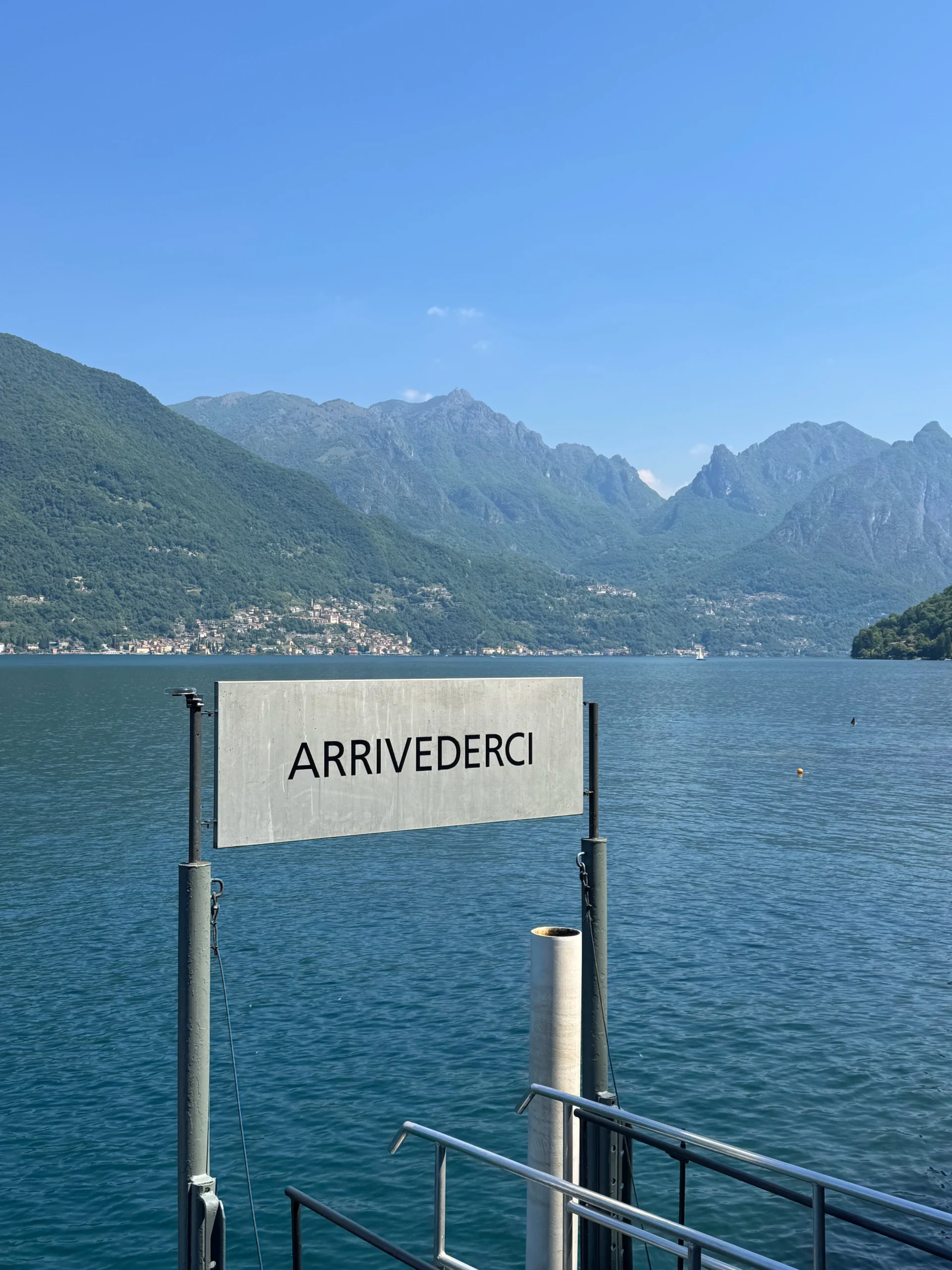
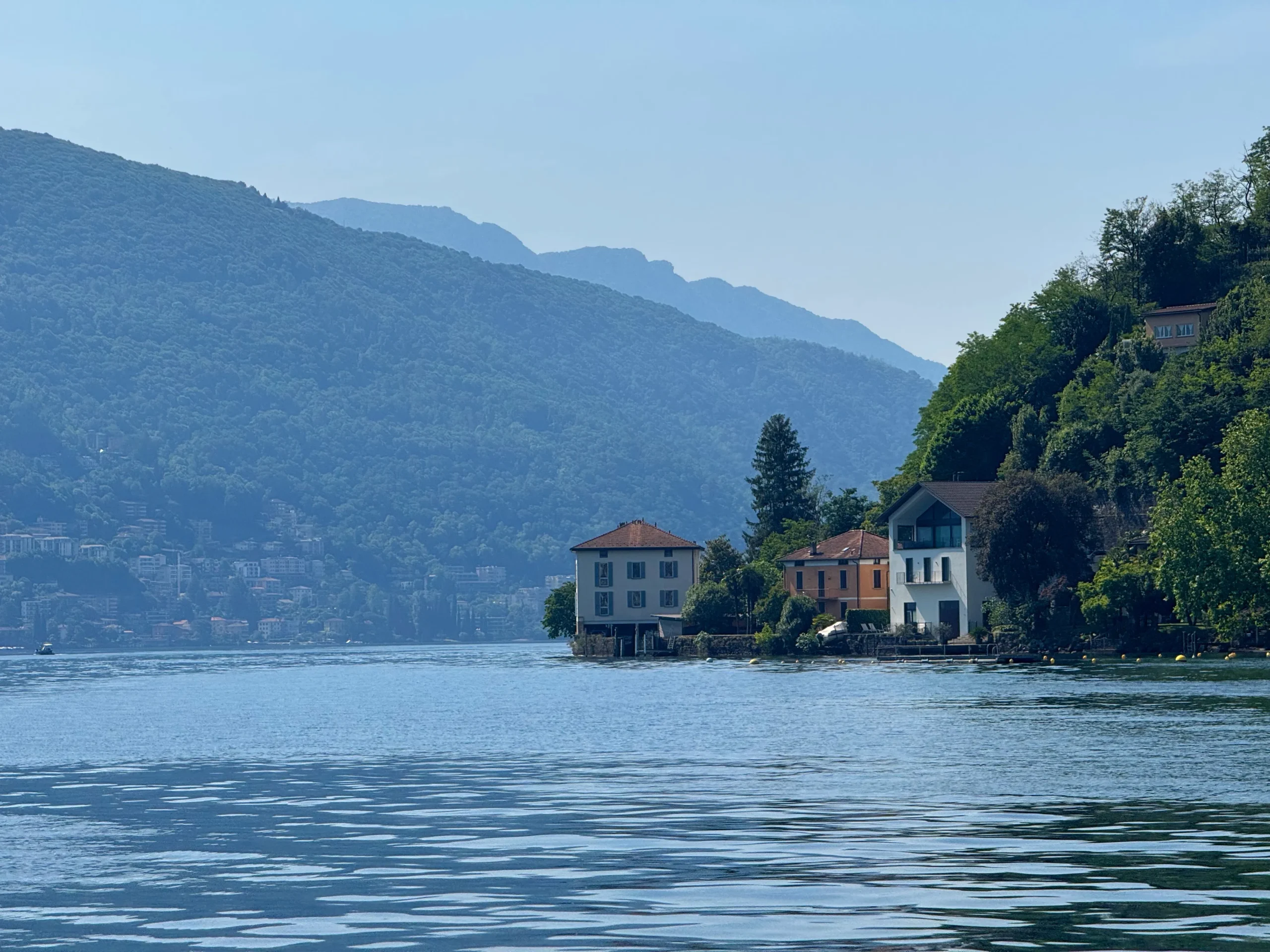
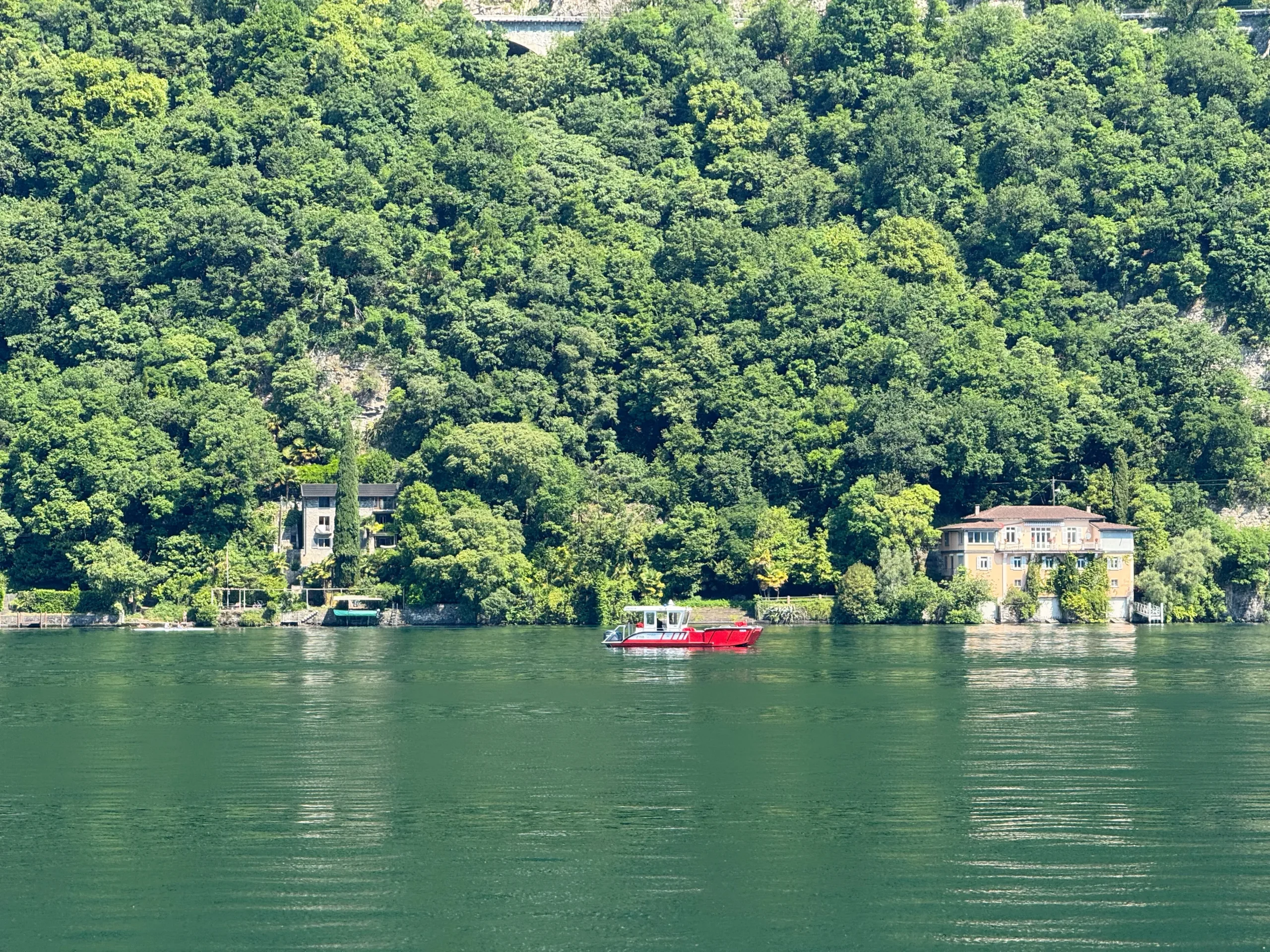
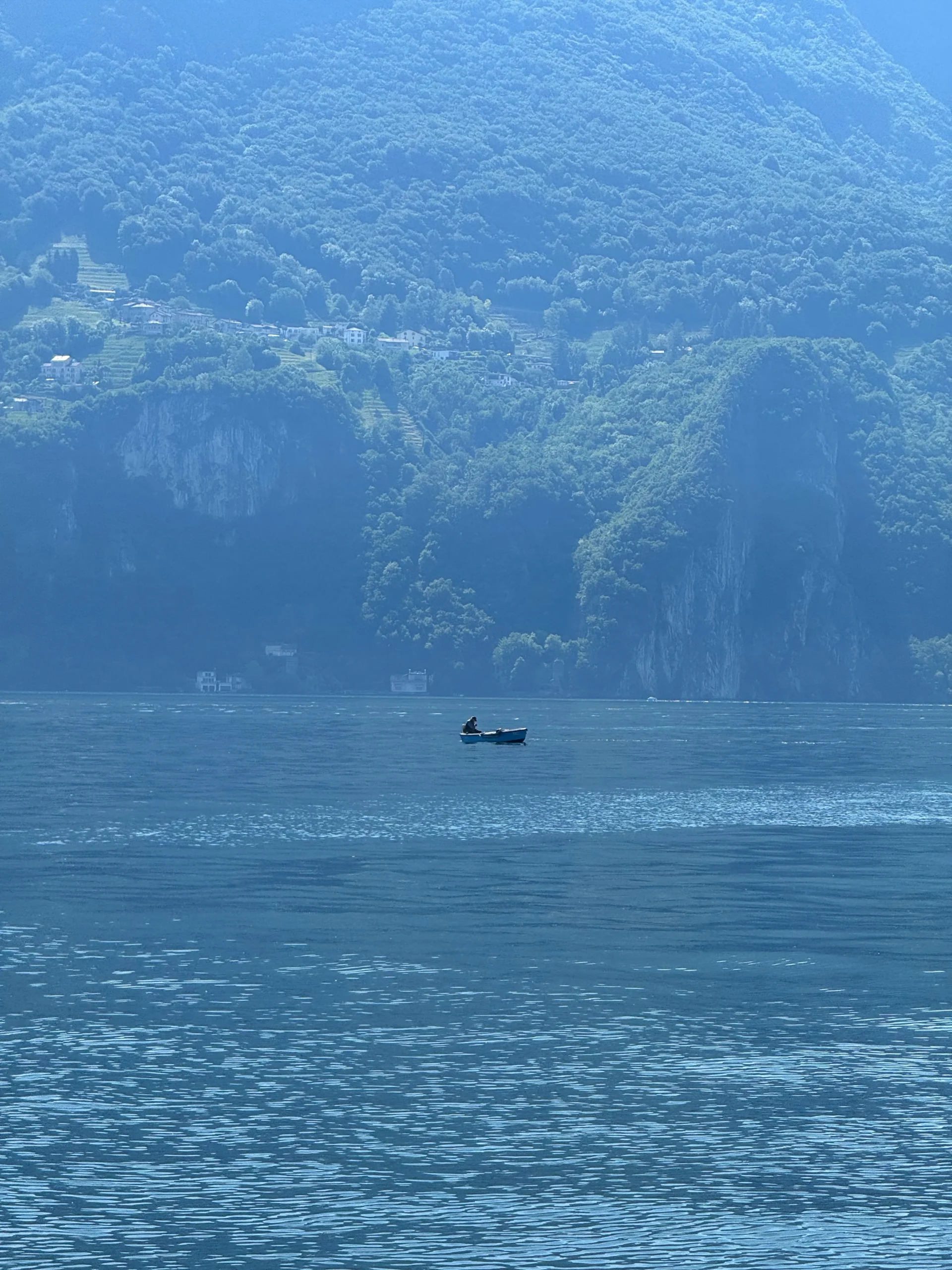
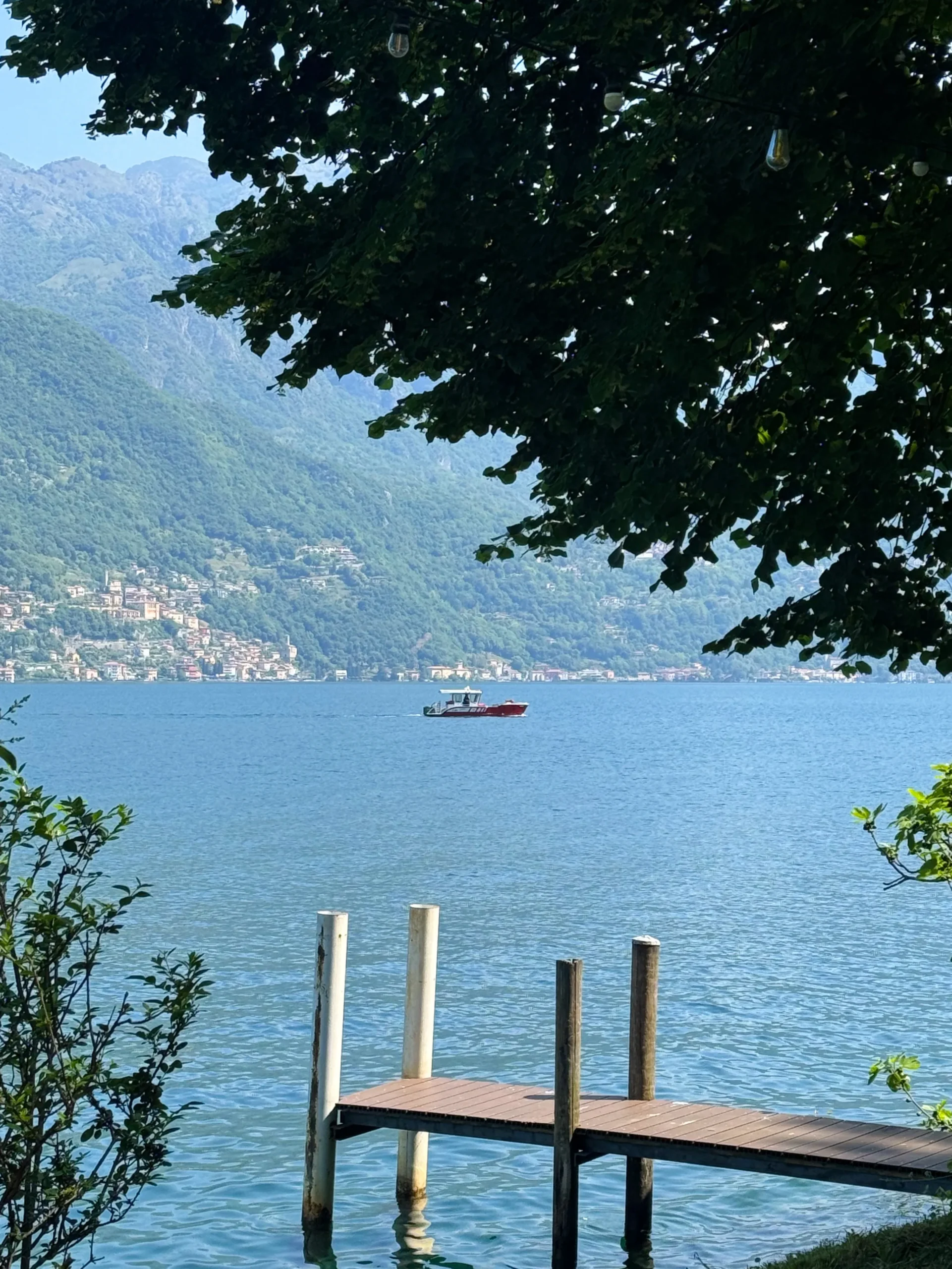
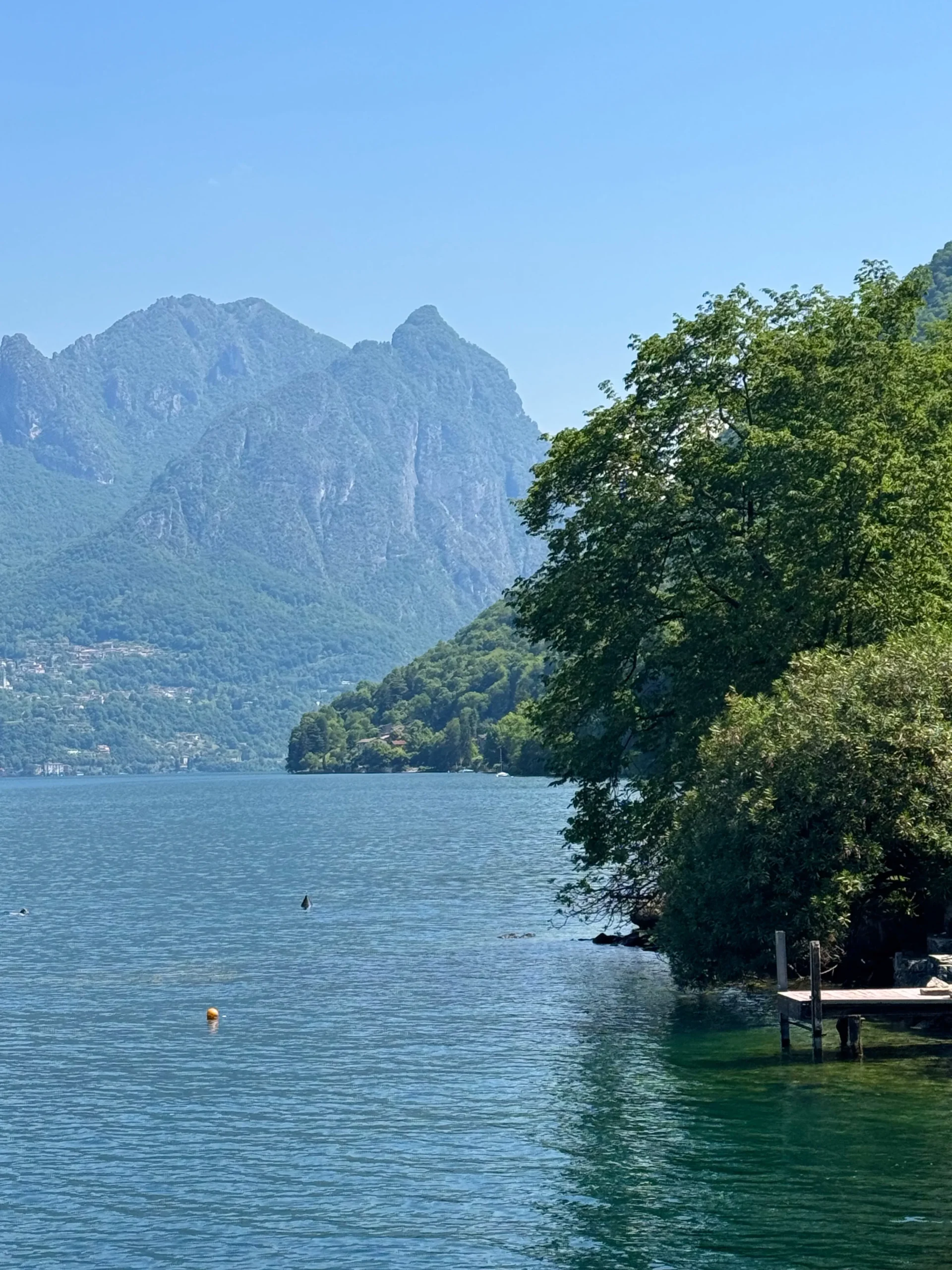
We had planned this trip to Lugano well in advance — not simply to see another beautiful corner of Ticino, but to truly experience a slow and atmospheric day filled with conversations, discoveries, and the feeling of a real southern Swiss summer. And that is exactly how it turned out. In the morning, we headed to Lugano and from there boarded a boat that carried us along the picturesque shores of Lake Lugano toward Cantine di Gandria — a quiet and scenic village on the opposite side of the lake. Sunlight reflected on the water, old villas were hidden among palm trees and cypresses on the hillsides, and the mountain silhouettes created an almost unreal backdrop for the journey.
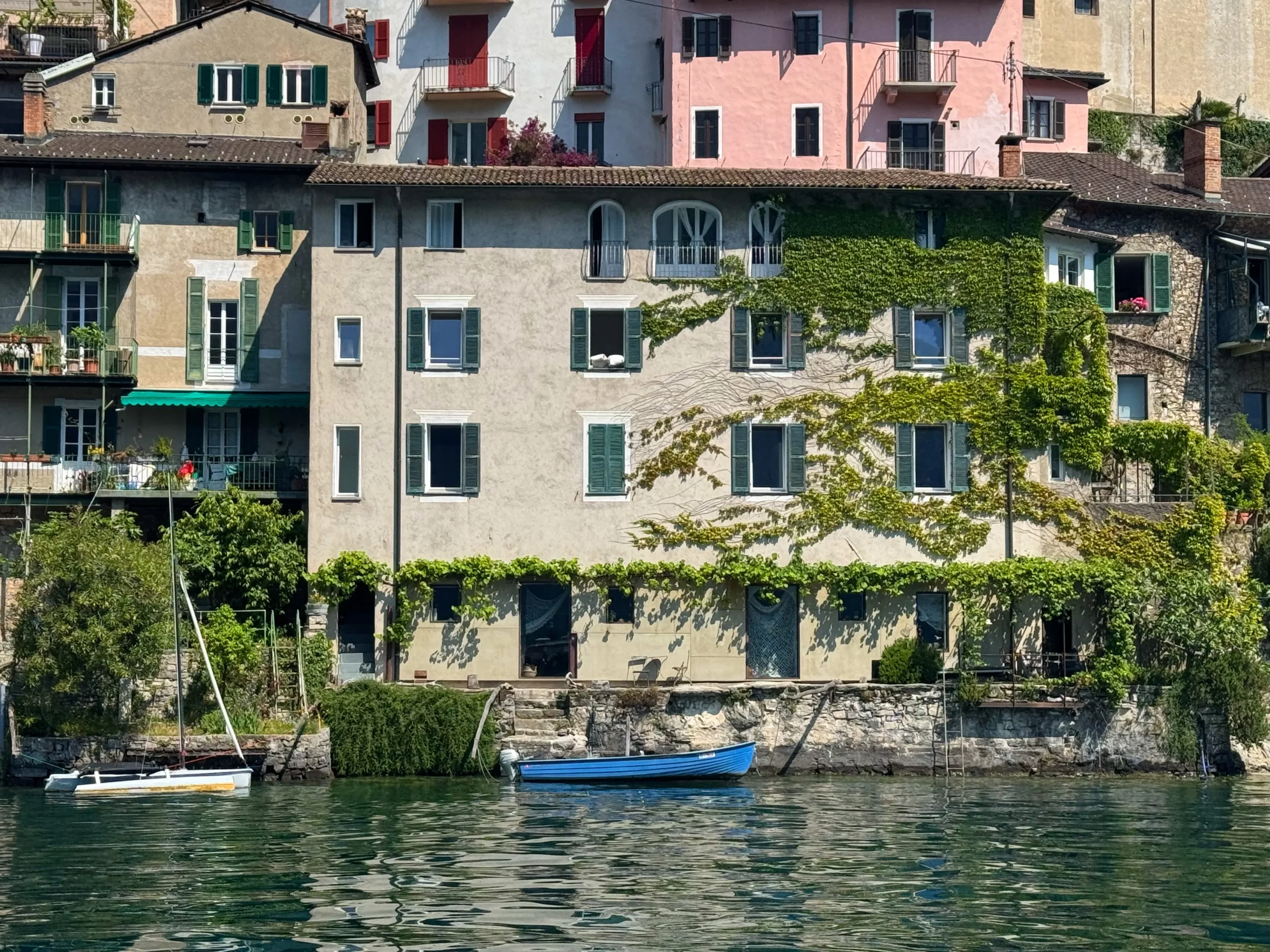
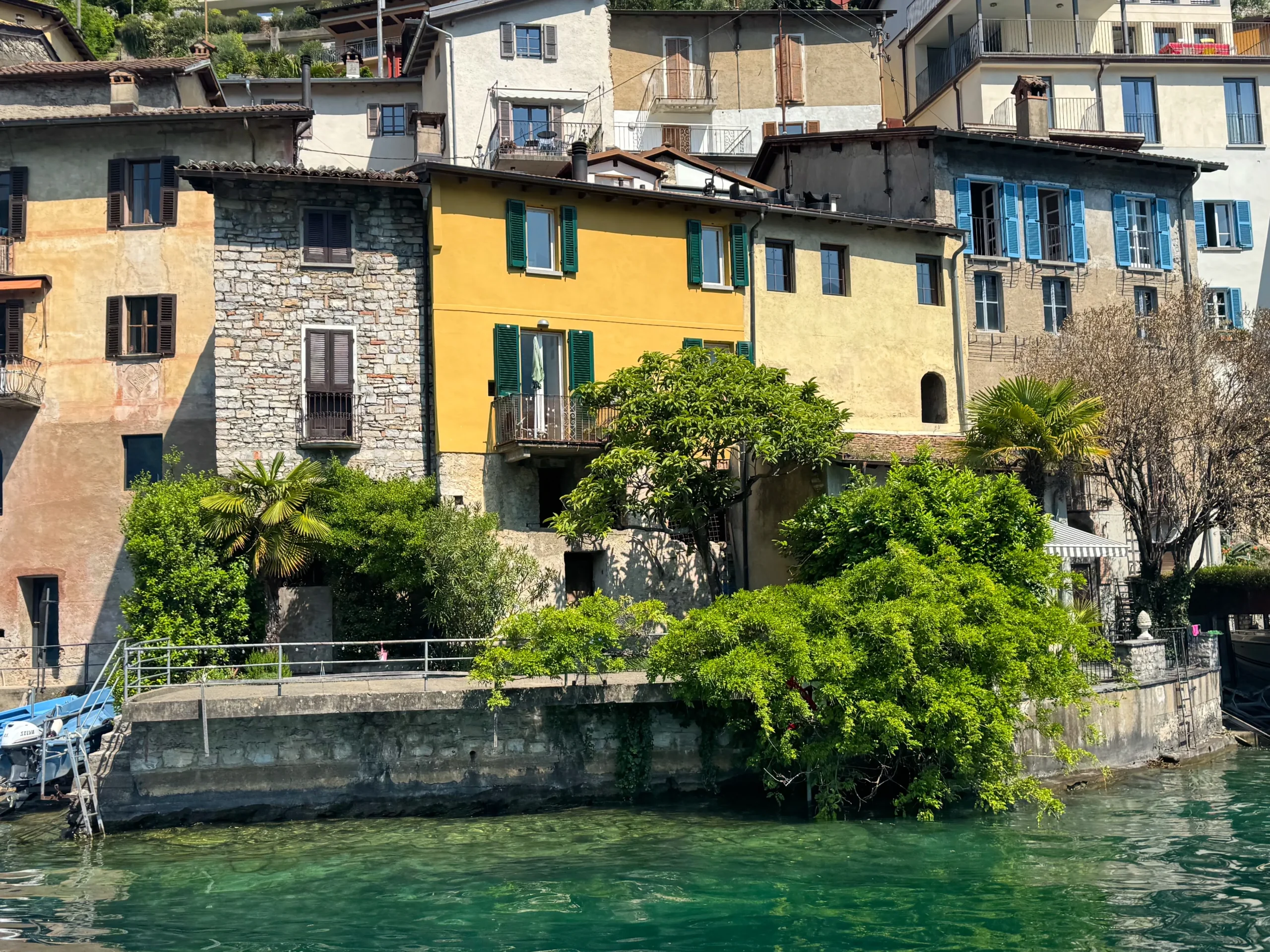
The boat route itself became a separate adventure. Along the shoreline, we could see small piers, stone houses standing right above the water, cozy terraces, and boats tied directly beneath house windows. Ticino combines Swiss orderliness with an almost Mediterranean lightness of life in a truly unique way. The air carried the scent of sun-warmed trees, while an atmosphere of calm surrounded everything in a way that is difficult to describe with words. At times, it felt less like Switzerland and more like a small lakeside town somewhere in Italy — and it is precisely this blend of cultures near the border that gives the region its special charm.
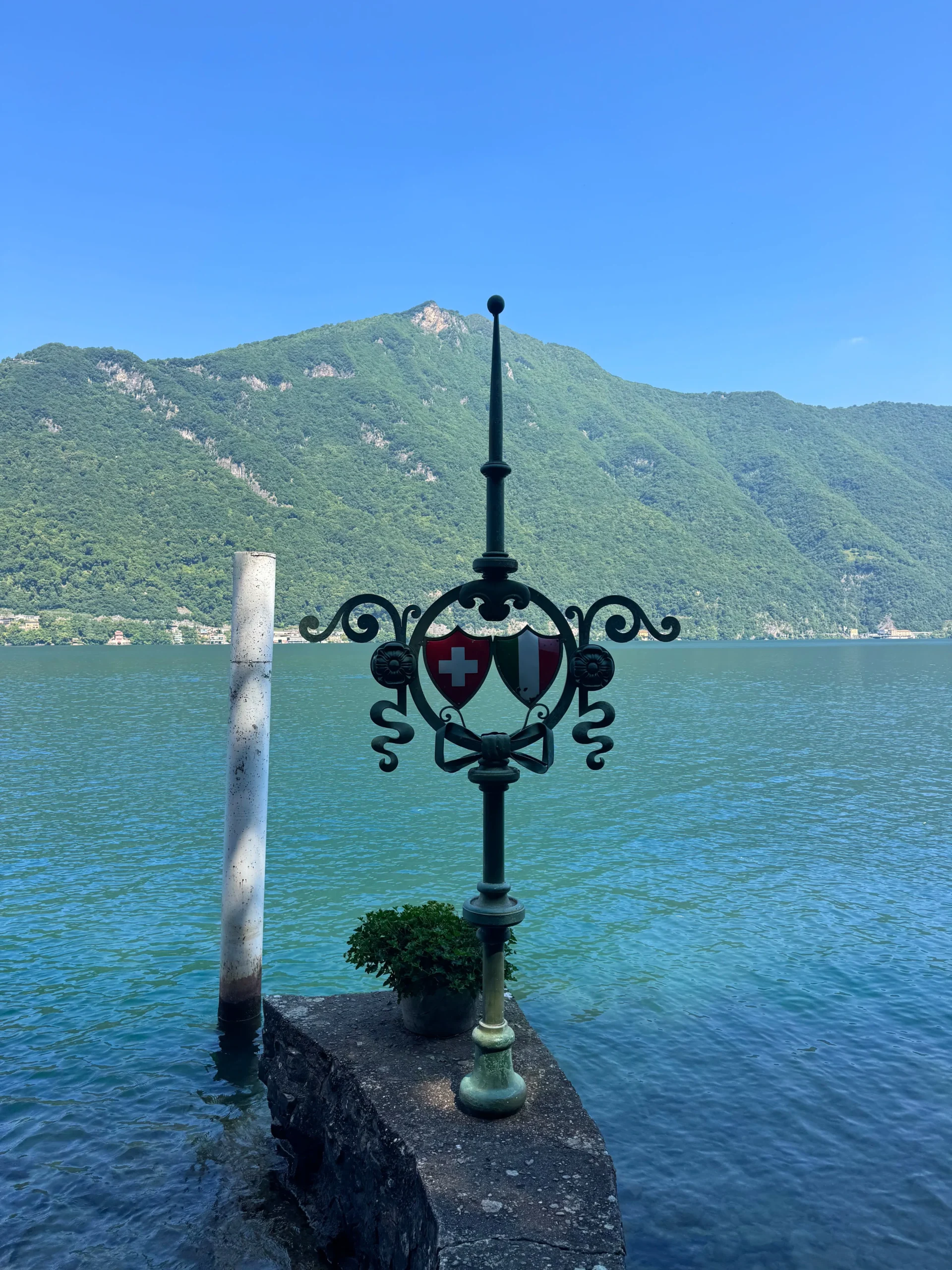
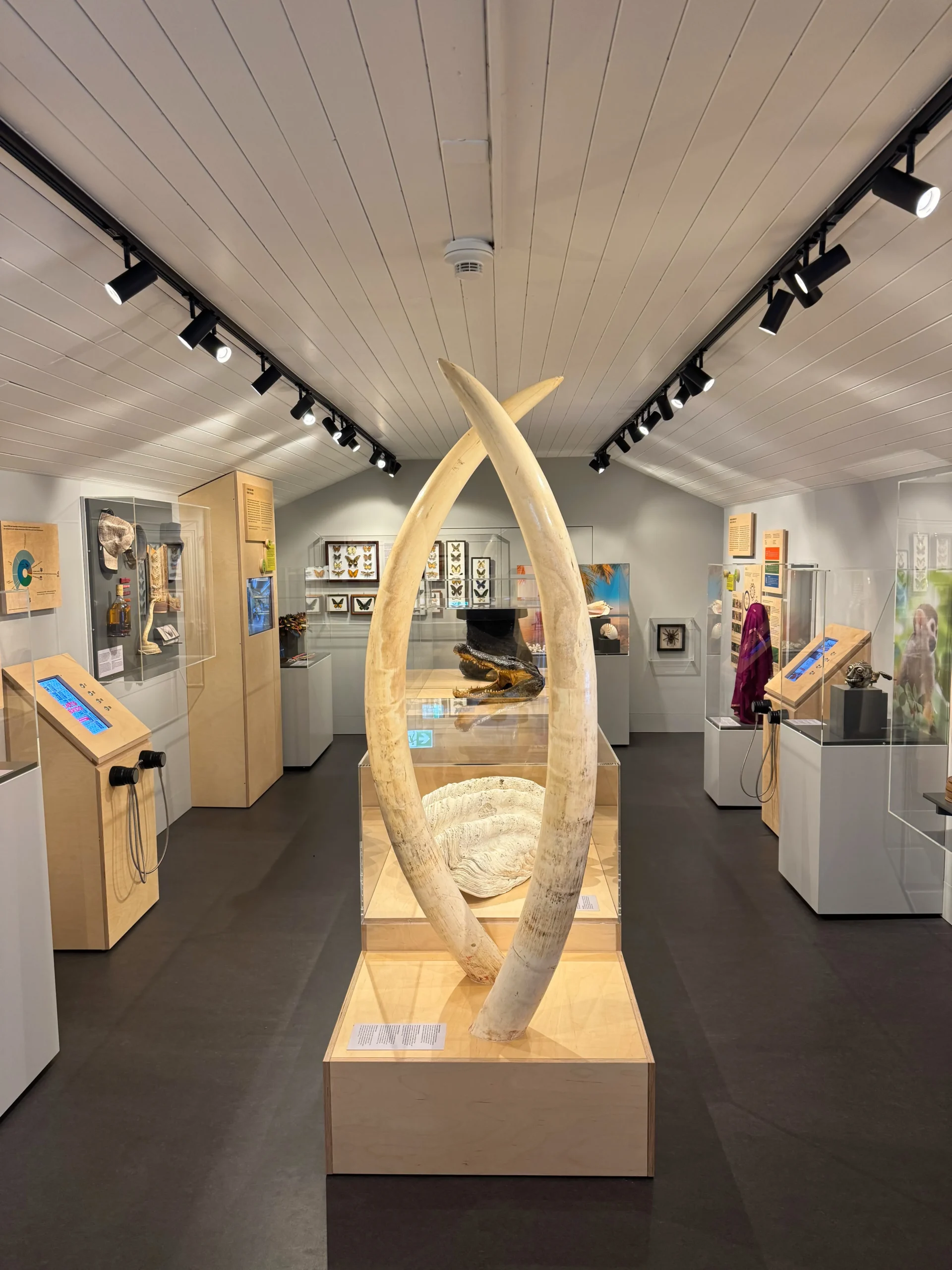
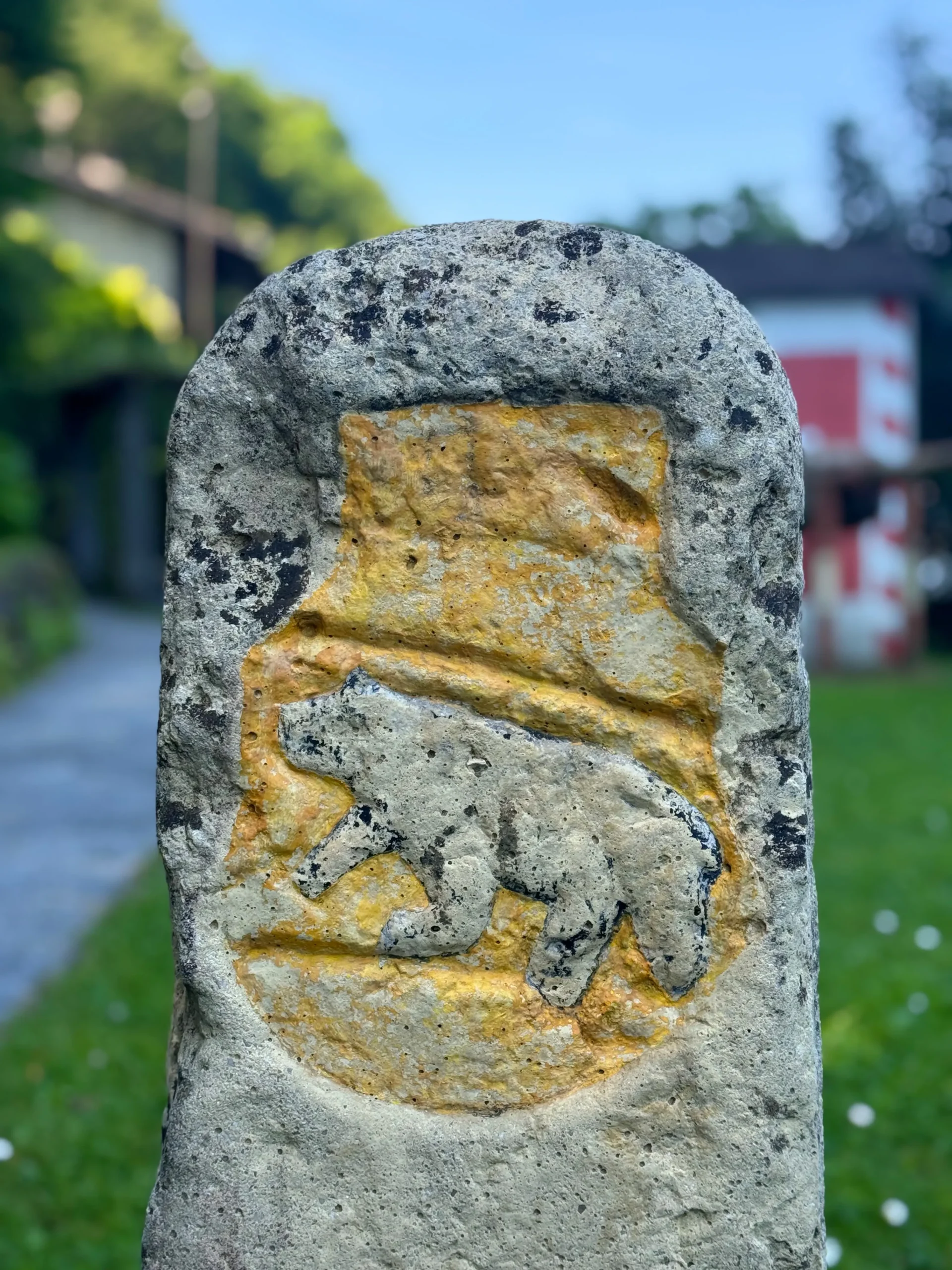
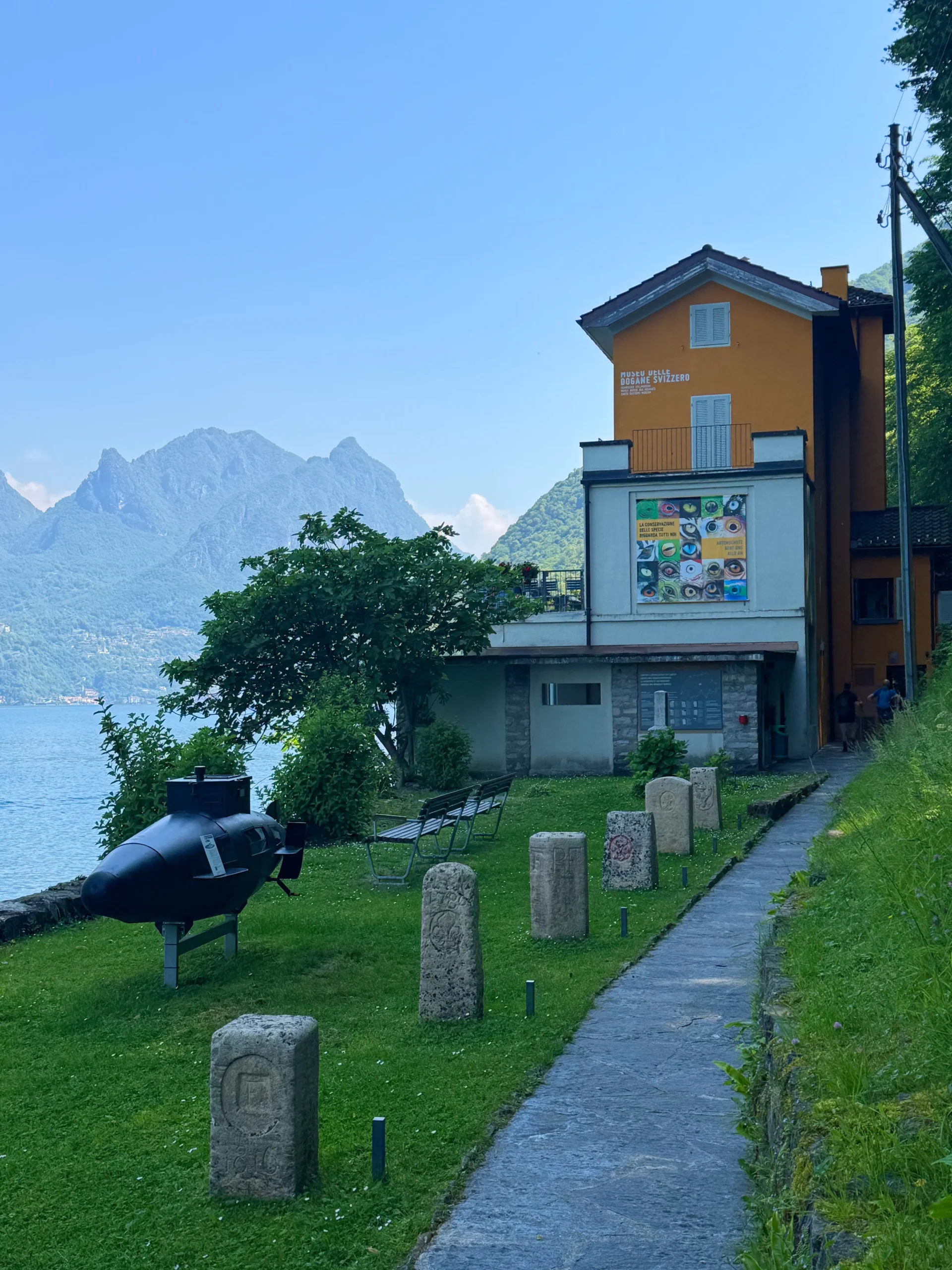
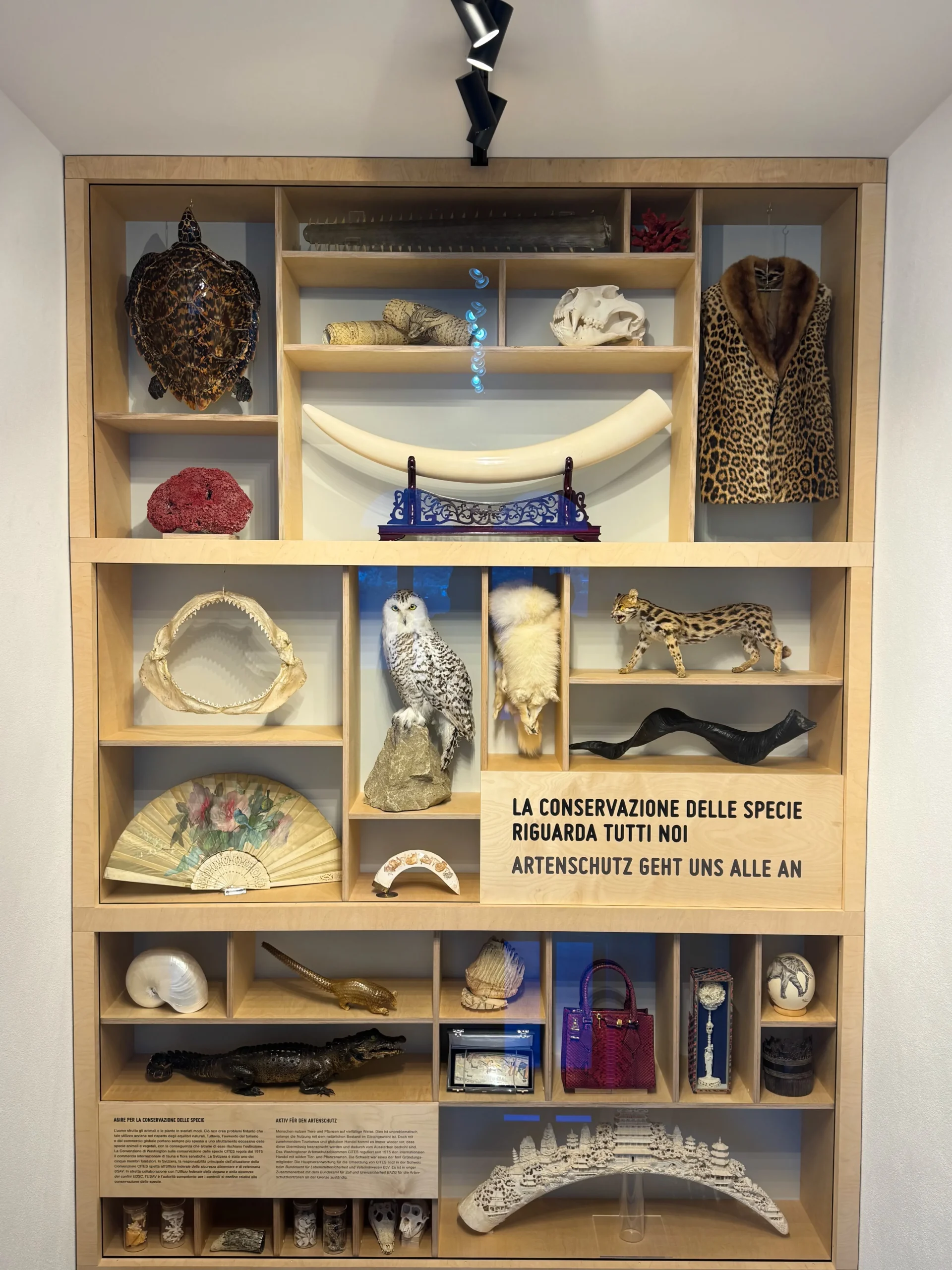
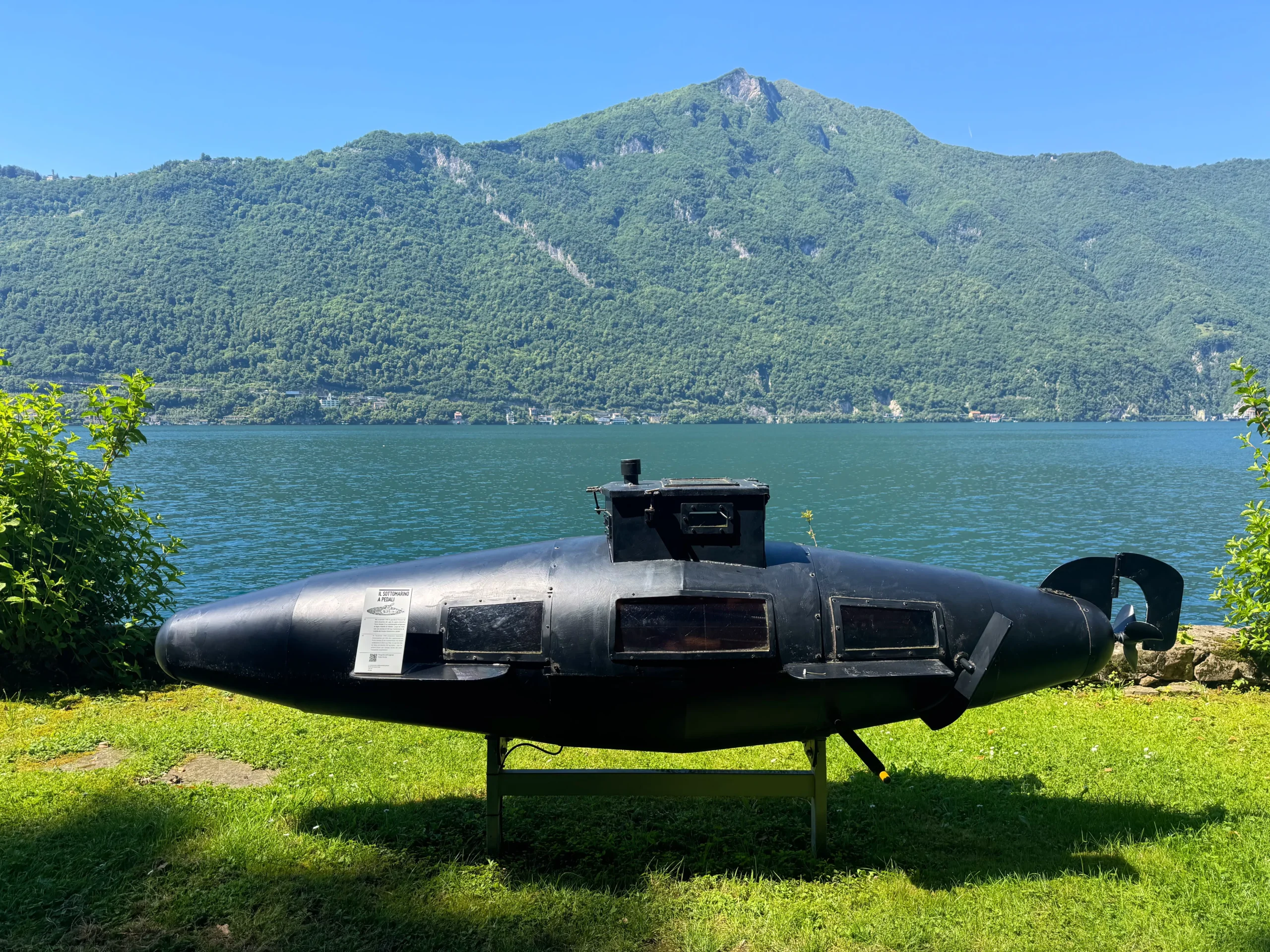
The main destination of our journey was the Swiss Customs Museum, located literally next to the Italian border. The museum itself is relatively small and only operates during the warm season for a few hours a day — from 12 PM to 5 PM. We were lucky enough to enter slightly before opening time. Inside, the museum presents fascinating historical details about the work of Swiss customs officers in the past: the period of World War II, border control operations, anti-smuggling activities, methods of transporting goods, and stories of the people who lived and worked in this area decades ago. Particularly impressive were the small historical submarine near the museum and the collection of stones decorated with the coats of arms of the Swiss cantons — details that add a special character and a deep sense of respect for the country’s history.
The warmest moment of the visit was our encounter with one of the museum employees. He turned out to be an incredibly open and kind person, especially warm toward our son, constantly joking and sharing stories about the museum and life along the border. Thanks to him, the atmosphere felt anything but formal or “museum-like” — instead, it became deeply human and alive. We were even allowed to hold some historical artifacts in our hands, creating a rare feeling of direct connection with the past. Encounters like this often become the strongest memories after a journey.
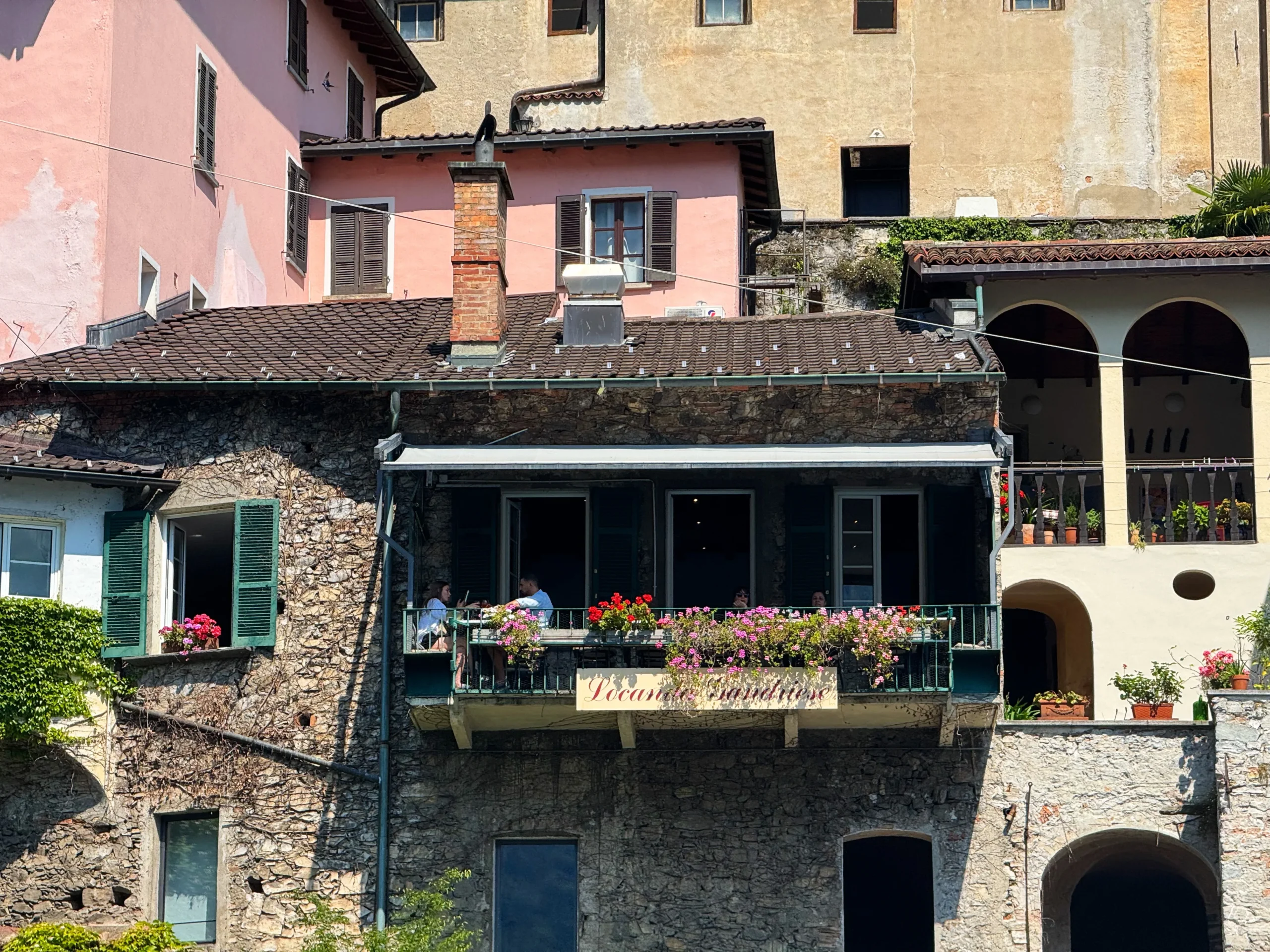
After visiting the museum, we slowly wandered through the narrow paths of Gandria, admired the lake and mountains, and later stopped at an authentic local restaurant together with our Swiss friends. Stone houses with flowers on their balconies, quiet courtyards, the shade of old trees, and the warm air created an atmosphere that felt almost cinematic. The entire day turned out to be light, warm, and filled with details that stay in your memory for a long time. This journey left behind a very special aftertaste — a mixture of calmness, history, sunshine, lake air, and the feeling of sincerely shared time together.
🇨🇭 ℹ️ One of the most memorable stories from our visit was told to us personally by a museum employee. Near the Swiss Customs Museum stands a memorial dedicated to Mario Vaccani — the head of the customs post who disappeared during a night patrol on Lake Lugano in 1930. According to local stories, he fell into the water while on duty near the Italian border, yet to this day nobody knows for certain what truly happened to him. That uncertainty has become part of the atmosphere and local legends surrounding this place — filled with stories of smugglers, border patrols, and dangerous nighttime surveillance on the lake. Hearing this story while standing between the mountains and the quiet waters of Lago di Lugano made the museum feel far more than just an exhibition — almost like a living memory of another era.
🌿 Interesting Details About Lago di Lugano and the Gandria Region
A Village Without Cars: For a long time, Gandria could only be reached by boat or by narrow walking paths along the lake.
Smugglers’ Routes: Due to its close proximity to the Italian border, this area was historically famous for smugglers transporting goods across the lake at night.
Almost Mediterranean Climate: Palm trees, cypresses, and even some subtropical plants grow in Ticino thanks to the region’s exceptionally mild climate.
A Lake Between Two Countries: Lago di Lugano lies partly in Switzerland and partly in Italy, meaning the border literally crosses the water during the boat journey.
Swiss Customs Museum: The Swiss Customs Museum is located inside a former border control station and is open only during the warmer months of the year.
The Silence of the Lake: Despite the popularity of the region, Gandria still preserves a remarkable sense of quietness — with almost no traffic noise, only water, boats, and distant church bells.
Stones with Canton Coats of Arms: Near the museum, visitors can see a collection of stones decorated with the coats of arms of the Swiss cantons — a symbolic reminder of the country’s unity even at a remote border location.
Old Wine Cellars: The name Cantine di Gandria comes from the historic stone wine cellars that local families used for centuries to store wine and food.
Цю подорож до Лугано ми планували заздалегідь — хотілося не просто побачити ще один красивий куточок Тічино, а прожити день неспішно, з атмосферою, розмовами, відкриттями та відчуттям справжнього південного швейцарського літа. І саме так усе й сталося. Вранці ми вирушили до Лугано, а звідти сіли на човен, який повіз нас уздовж мальовничого берега озера Лугано у бік Cantine di Gandria — тихого мальовничого містечка на іншому березі. Сонце відбивалося у воді, на схилах між пальмами та кипарисами ховалися старі вілли, а гірські силуети створювали майже нереальний фон для цієї подорожі.
Сам маршрут човном виявився окремою пригодою. Уздовж берегів можна було побачити невеликі пристані, кам’яні будинки біля самої води, затишні тераси та човни, прив’язані просто під вікнами будинків. Тічино дивовижно поєднує швейцарську впорядкованість з майже середземноморською легкістю життя. У повітрі відчувався аромат нагрітих сонцем дерев, а навколо панувала атмосфера спокою, яку складно передати словами. Іноді здавалося, що це не Швейцарія, а якесь маленьке озерне містечко десь в Італії — і саме в цьому прикордонному змішанні культур є особливий шарм цього регіону.
Головною точкою нашої поїздки став Swiss Customs Museum — музей швейцарської митниці, розташований буквально біля італійського кордону. Сам музей невеликий, працює лише у теплий період року та всього кілька годин на день — з 12 до 17. Нам пощастило потрапити всередину навіть трохи раніше відкриття. Усередині зібрані дуже цікаві історичні деталі про роботу митниці у минулому: період Другої світової війни, контроль кордону, боротьбу з контрабандою, способи перевезення товарів та історії людей, які жили й працювали у цих місцях десятки років тому. Особливо вразила невелика історична субмарина біля музею та колекція каменів із гербами швейцарських кантонів — вони додають місцю особливого характеру та відчуття поваги до історії країни.
Найтеплішим моментом відвідування стала зустріч із працівником музею. Він виявився надзвичайно відкритою та доброю людиною, особливо тепло ставився до нашого сина, багато жартував і розповідав різні історії про музей та життя на кордоні. Завдяки йому атмосфера була зовсім не «офіційно-музейною», а дуже живою та людяною. Нам навіть дозволили потримати в руках деякі історичні речі та артефакти, що створило особливе відчуття дотику до минулого. Саме такі зустрічі часто залишають найсильніші спогади після подорожей.
Після музею ми неспішно гуляли вузькими стежками Gandria, милувалися озером та горами, а потім зайшли до автентичного ресторанчика разом із нашими швейцарськими друзями. Кам’яні будинки з квітами на балконах, тихі дворики, тінь від старих дерев і тепле повітря створювали майже кінематографічний настрій. День вийшов дуже легким, теплим і наповненим деталями, які запам’ятовуються надовго. Ця поїздка залишила після себе особливе післясмакування — суміш спокою, історії, сонця, озерного повітря та відчуття щиро проведеного часу разом.
🇨🇭 ℹ️ Одну з найцікавіших історій під час нашого візиту нам особисто розповів працівник музею. Поруч зі Swiss Customs Museum знаходиться меморіальна табличка, присвячена Mario Vaccani — керівнику митного поста, який зник під час нічного патрулювання озером Лугано у 1930 році. За місцевими історіями, він впав у воду під час служби біля італійського кордону, однак достеменно невідомо, що саме з ним сталося — ця історія й досі залишається частиною місцевих легенд та загадок. Його доля назавжди стала частиною атмосфери цього місця — з історіями про контрабандистів, прикордонні патрулі та небезпечні нічні чергування на озері. Коли слухаєш цю історію просто між горами та тихою водою Лугано, музей починає сприйматися вже не як звичайна експозиція, а як жива пам’ять про іншу епоху.
🌿 Цікаві деталі про Lago di Lugano та регіон Gandria
Село без автомобілів: Gandria довгий час залишалася місцем, куди можна було дістатися лише човном або вузькими пішохідними стежками вздовж озера.
Контрабандні маршрути: Через близькість до італійського кордону ці місця десятиліттями були відомі контрабандистами, які перевозили товари човнами вночі через озеро.
Майже середземноморський клімат: У Тічино ростуть пальми, кипариси та навіть деякі субтропічні рослини — завдяки дуже м’якому клімату регіону.
Озеро між двома країнами: Lago di Lugano частково знаходиться у Швейцарії, а частково — в Італії, тому під час подорожі човном кордон буквально проходить посеред води.
Swiss Customs Museum: Музей швейцарської митниці розташований у колишньому прикордонному пості та працює лише у теплий сезон — з весни до осені.
Тиша озера: Попри популярність регіону, у Gandria досі зберігається дивовижна тиша — тут майже не чути автомобілів, лише воду, човни та дзвони церков.
Камені з гербами кантонів: Біля музею можна побачити колекцію каменів із гербами швейцарських кантонів — символічне нагадування про єдність країни навіть на далекому кордоні.
Старі винні погреби: Назва Cantine di Gandria походить від старих кам’яних винних погребів, які століттями використовувалися місцевими жителями для зберігання вина та продуктів.
Diese Reise nach Lugano hatten wir schon lange im Voraus geplant — wir wollten nicht einfach nur einen weiteren schönen Ort im Tessin sehen, sondern einen entspannten Tag voller Atmosphäre, Gespräche, Entdeckungen und dem Gefühl eines echten südschweizer Sommers erleben. Und genau so kam es auch. Am Morgen machten wir uns auf den Weg nach Lugano und stiegen dort auf ein Boot, das uns entlang der malerischen Ufer des Lago di Lugano in Richtung Cantine di Gandria brachte — einem ruhigen und wunderschönen Ort auf der anderen Seeseite. Die Sonne spiegelte sich im Wasser, zwischen Palmen und Zypressen versteckten sich alte Villen an den Hängen, und die Silhouetten der Berge bildeten eine beinahe unwirkliche Kulisse für diese Reise.
Schon die Fahrt mit dem Boot war ein eigenes kleines Abenteuer. Entlang des Ufers sah man kleine Anlegestellen, Steinhäuser direkt am Wasser, gemütliche Terrassen und Boote, die direkt unter den Fenstern der Häuser festgemacht waren. Das Tessin verbindet die schweizerische Ordnung auf erstaunliche Weise mit einer fast mediterranen Leichtigkeit des Lebens. In der Luft lag der Duft sonnengewärmter Bäume, und überall herrschte eine Ruhe, die sich kaum in Worte fassen lässt. Manchmal hatte man das Gefühl, gar nicht mehr in der Schweiz zu sein, sondern irgendwo in einem kleinen italienischen Dorf am See — genau diese Mischung der Kulturen macht den besonderen Charme dieser Grenzregion aus.
Das Hauptziel unserer Reise war das Swiss Customs Museum — das Schweizer Zollmuseum direkt an der italienischen Grenze. Das Museum selbst ist eher klein und nur während der warmen Jahreszeit sowie lediglich einige Stunden pro Tag geöffnet — von 12 bis 17 Uhr. Wir hatten sogar das Glück, bereits etwas vor der offiziellen Öffnungszeit hineinzudürfen. Im Inneren werden viele spannende historische Details über die frühere Arbeit des Schweizer Zolls gezeigt: die Zeit des Zweiten Weltkriegs, Grenzkontrollen, der Kampf gegen Schmuggler, Methoden des Warentransports sowie Geschichten über die Menschen, die hier vor Jahrzehnten lebten und arbeiteten. Besonders beeindruckend waren das kleine historische U-Boot neben dem Museum sowie die Sammlung von Steinen mit den Wappen der Schweizer Kantone — Details, die diesem Ort einen ganz besonderen Charakter und eine tiefe Verbundenheit mit der Geschichte der Schweiz verleihen.
Der wärmste Moment unseres Besuchs war die Begegnung mit einem Mitarbeiter des Museums. Er war ein unglaublich offener und freundlicher Mensch, begegnete besonders unserem Sohn mit viel Herzlichkeit, machte viele Scherze und erzählte zahlreiche Geschichten über das Museum und das Leben an der Grenze. Durch ihn fühlte sich die Atmosphäre überhaupt nicht „offiziell“ oder typisch museal an, sondern vielmehr lebendig und menschlich. Wir durften sogar einige historische Gegenstände und Artefakte in die Hand nehmen, was ein ganz besonderes Gefühl vermittelte — fast so, als würde man die Vergangenheit direkt berühren. Genau solche Begegnungen bleiben nach Reisen oft am stärksten in Erinnerung.
Nach dem Museumsbesuch spazierten wir gemütlich durch die schmalen Wege von Gandria, bewunderten den See und die Berge und kehrten später gemeinsam mit unseren Schweizer Freunden in ein authentisches kleines Restaurant ein. Steinhäuser mit Blumen auf den Balkonen, stille Innenhöfe, der Schatten alter Bäume und die warme Luft schufen eine beinahe filmreife Atmosphäre. Der ganze Tag fühlte sich leicht, warm und voller kleiner Details an, die lange in Erinnerung bleiben. Diese Reise hinterließ ein ganz besonderes Nachgefühl — eine Mischung aus Ruhe, Geschichte, Sonnenschein, Seeluft und dem Gefühl, wertvolle Zeit ehrlich miteinander verbracht zu haben.
🇨🇭 ℹ️ Eine der eindrucksvollsten Geschichten unseres Besuchs wurde uns persönlich von einem Mitarbeiter des Museums erzählt. Neben dem Swiss Customs Museum befindet sich eine Gedenktafel für Mario Vaccani — den Leiter des Zollpostens, der 1930 während einer nächtlichen Patrouille auf dem Lago di Lugano verschwand. Der lokalen Geschichte zufolge stürzte er während seines Dienstes nahe der italienischen Grenze ins Wasser, doch bis heute ist nicht mit Sicherheit bekannt, was damals tatsächlich geschah. Gerade diese Ungewissheit macht seine Geschichte bis heute zu einem Teil der lokalen Legenden und der besonderen Atmosphäre dieses Ortes — voller Erinnerungen an Schmuggler, Grenzpatrouillen und gefährliche Nachtfahrten über den See. Wenn man diese Geschichte direkt zwischen Bergen und dem stillen Wasser des Lago di Lugano hört, wirkt das Museum plötzlich nicht mehr wie eine gewöhnliche Ausstellung, sondern wie ein lebendiges Stück Vergangenheit.
🌿 Interessante Details über den Lago di Lugano und die Region Gandria
Ein Dorf ohne Autos: Gandria war lange Zeit nur per Boot oder über schmale Fusswege entlang des Sees erreichbar.
Routen der Schmuggler: Wegen der Nähe zur italienischen Grenze war diese Gegend jahrzehntelang für Schmuggler bekannt, die nachts Waren über den See transportierten.
Fast mediterranes Klima: Im Tessin wachsen Palmen, Zypressen und sogar einige subtropische Pflanzen — dank des besonders milden Klimas der Region.
Ein See zwischen zwei Ländern: Der Lago di Lugano liegt teilweise in der Schweiz und teilweise in Italien — während der Bootsfahrt verläuft die Grenze buchstäblich mitten durch den See.
Swiss Customs Museum: Das Schweizer Zollmuseum befindet sich in einem ehemaligen Grenzposten und ist nur während der warmen Jahreszeit geöffnet.
Die Stille des Sees: Trotz der Beliebtheit der Region bewahrt Gandria bis heute eine besondere Ruhe — statt Verkehrslärm hört man hier vor allem Wasser, Boote und entfernte Kirchenglocken.
Steine mit Kantonswappen: In der Nähe des Museums befindet sich eine Sammlung von Steinen mit den Wappen der Schweizer Kantone — ein symbolisches Zeichen der Einheit des Landes selbst an einem abgelegenen Grenzort.
Alte Weinkeller: Der Name Cantine di Gandria stammt von den historischen steinernen Weinkellern, die die Bewohner jahrhundertelang zur Lagerung von Wein und Lebensmitteln nutzten.
Museo doganale svizzero a Cantine di Gandria (Schweizerisches Zollmuseum)📍 Click to find
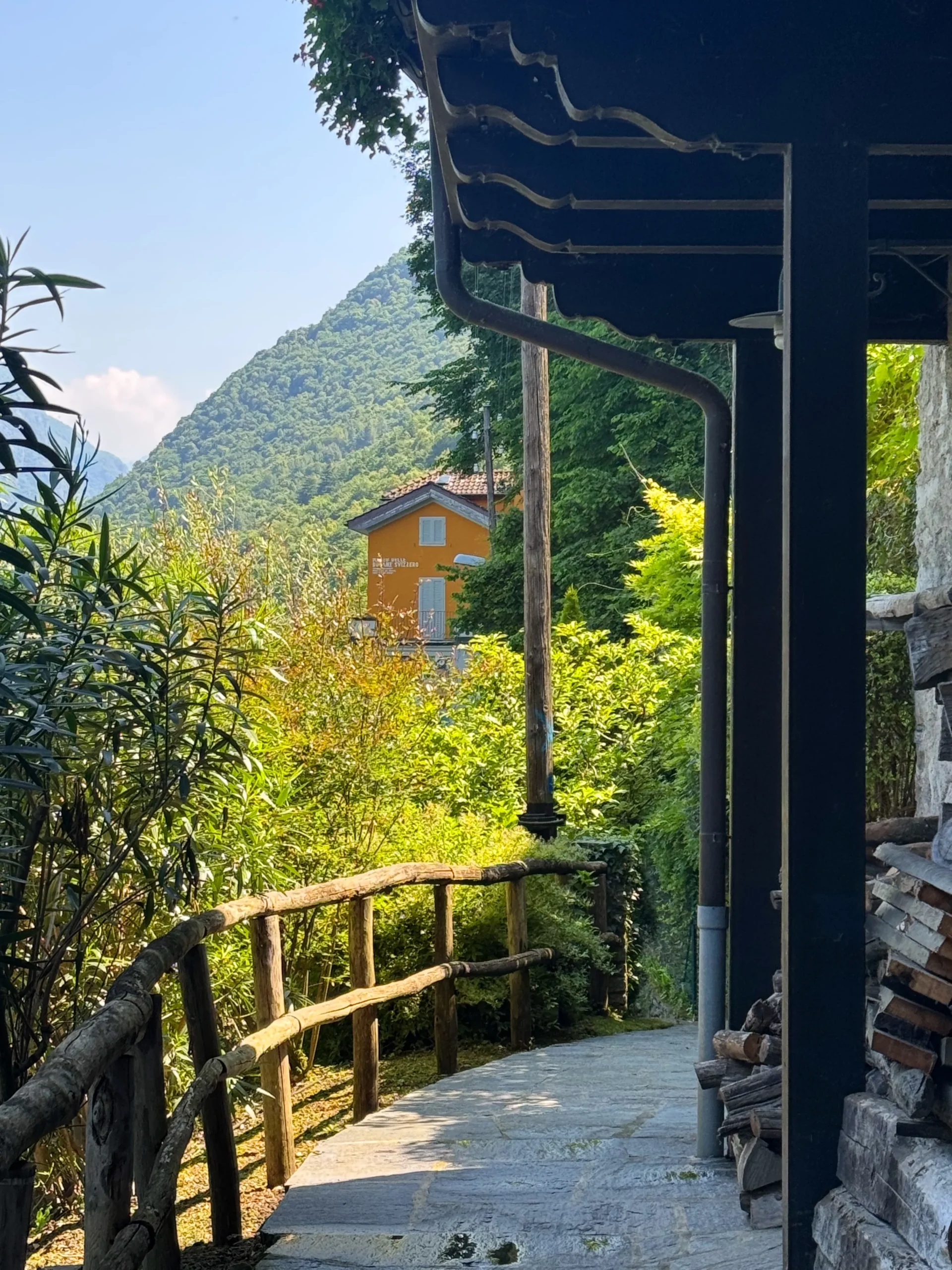
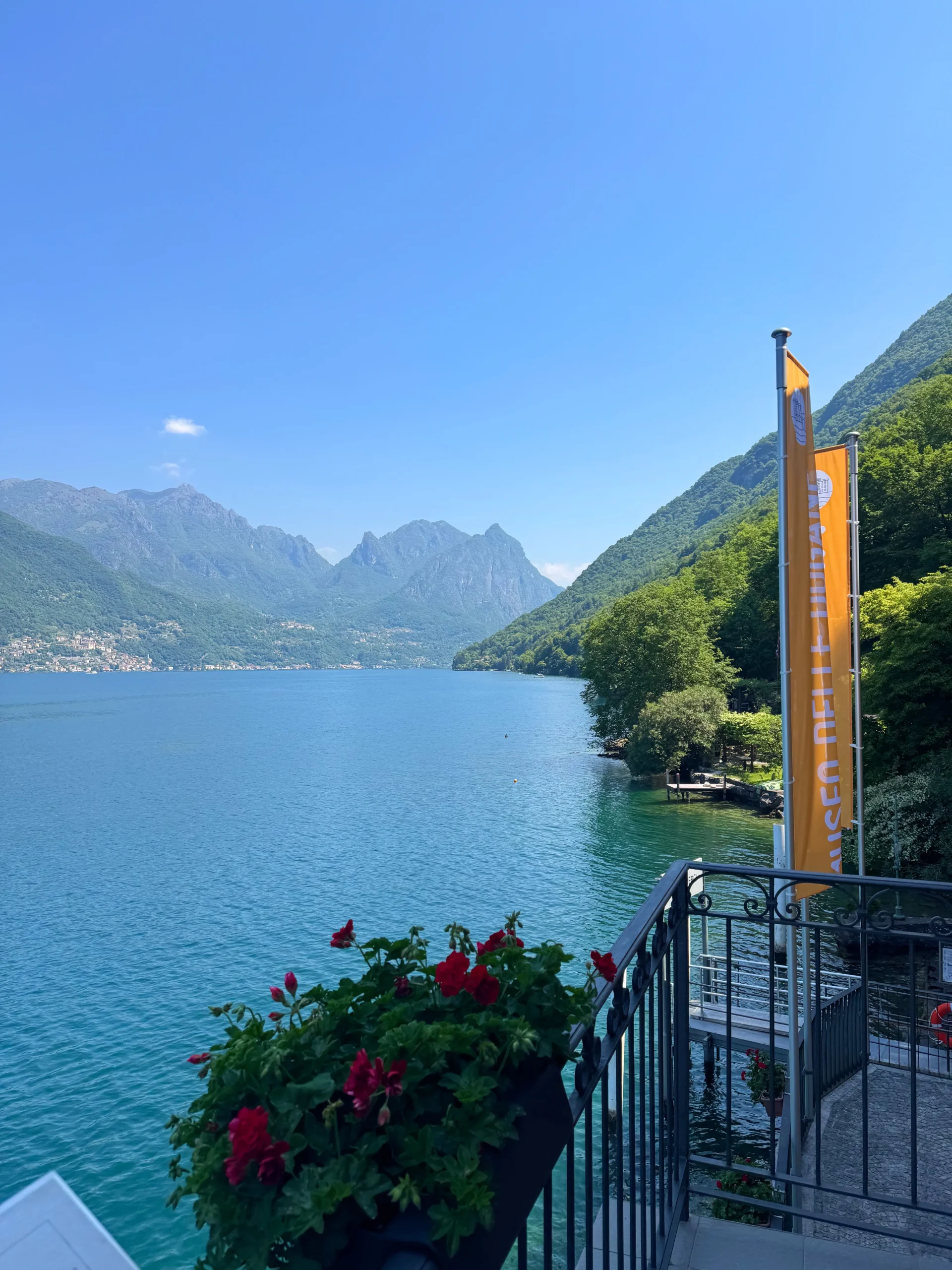
The museum was once a border surveillance post on the less populated shore of Lake Lugano, facing Gandria and Monte Brè near the Italian border. It can be reached by boat and is located next to a small cluster of traditional grotti restaurants and rustic stone buildings that form the hamlet of Cantine di Gandria, where visitors can enjoy lunch or dinner while arriving via the regular lake navigation routes.
 ©Every Mile Story
 ©Every Mile Story
 ©Every Mile Story
 ©Every Mile Story
 ©Every Mile Story
 ©Every Mile Story
 ©Every Mile Story
 ©Every Mile Story
 ©Every Mile Story
 ©Every Mile Story
 ©Every Mile Story
 ©Every Mile Story
 ©Every Mile Story
 ©Every Mile Story
 ©Every Mile Story
 ©Every Mile Story
 ©Every Mile Story
 ©Every Mile Story
 ©Every Mile Story
 ©Every Mile Story
 ©Every Mile Story