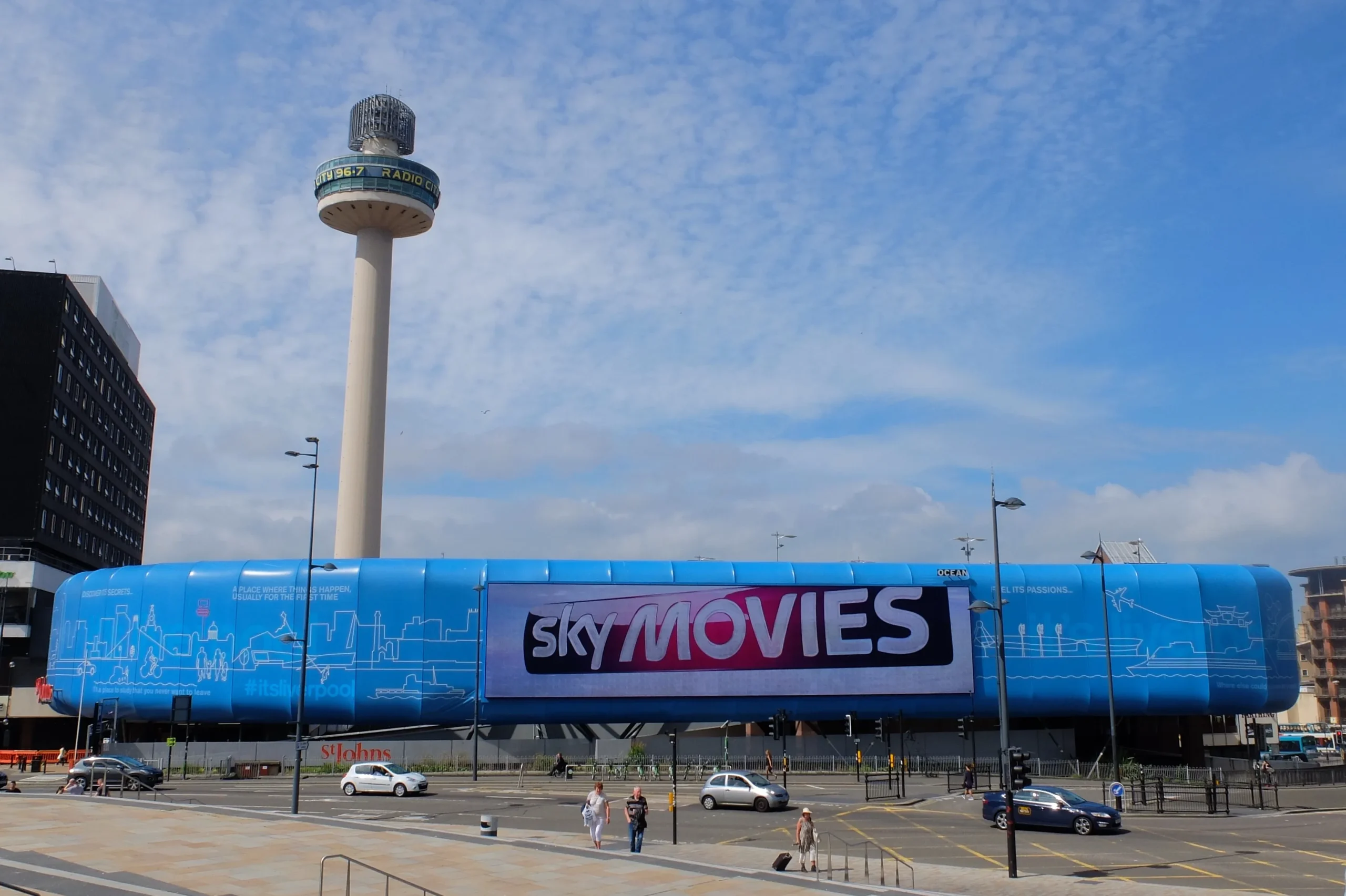
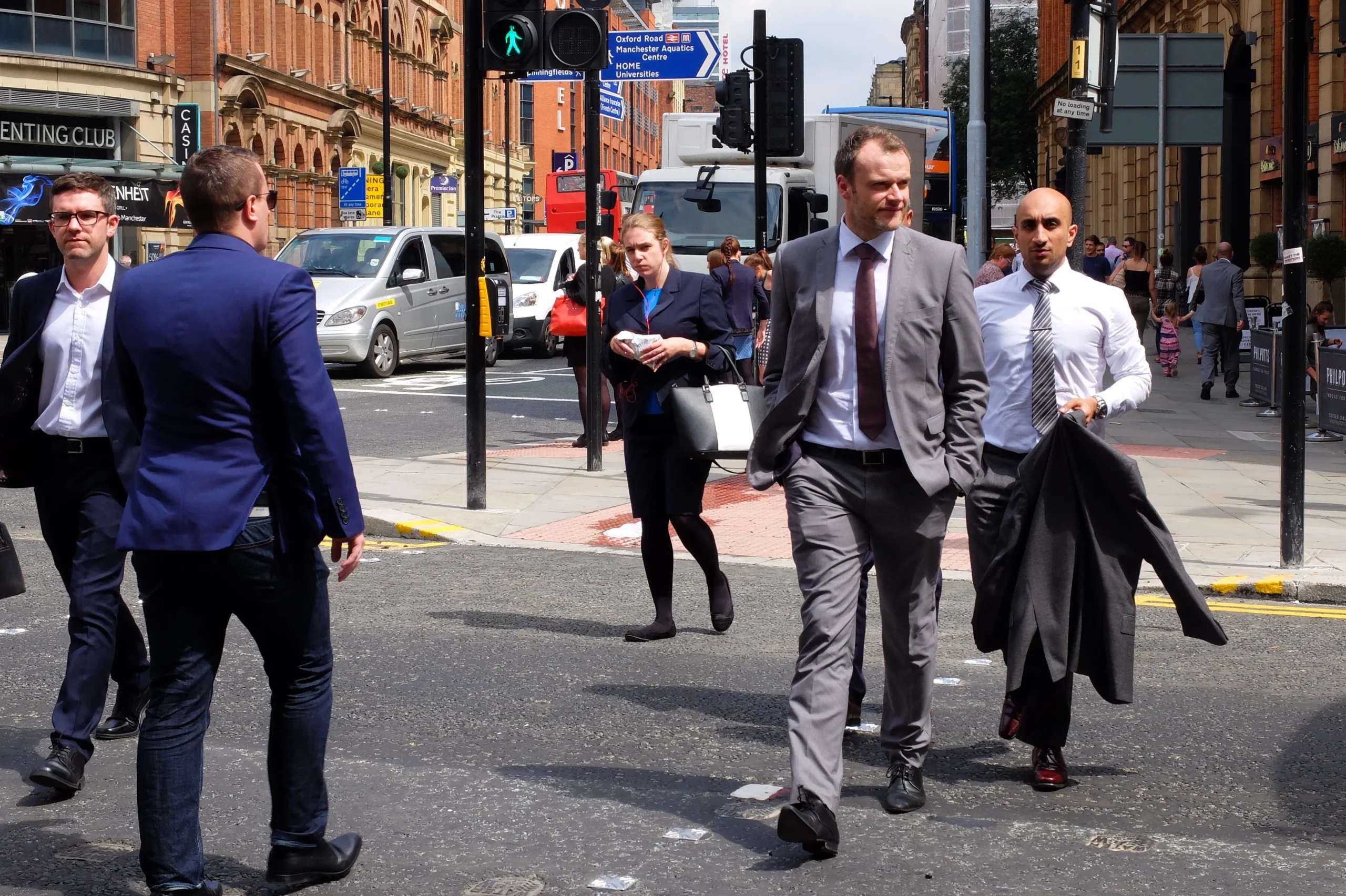
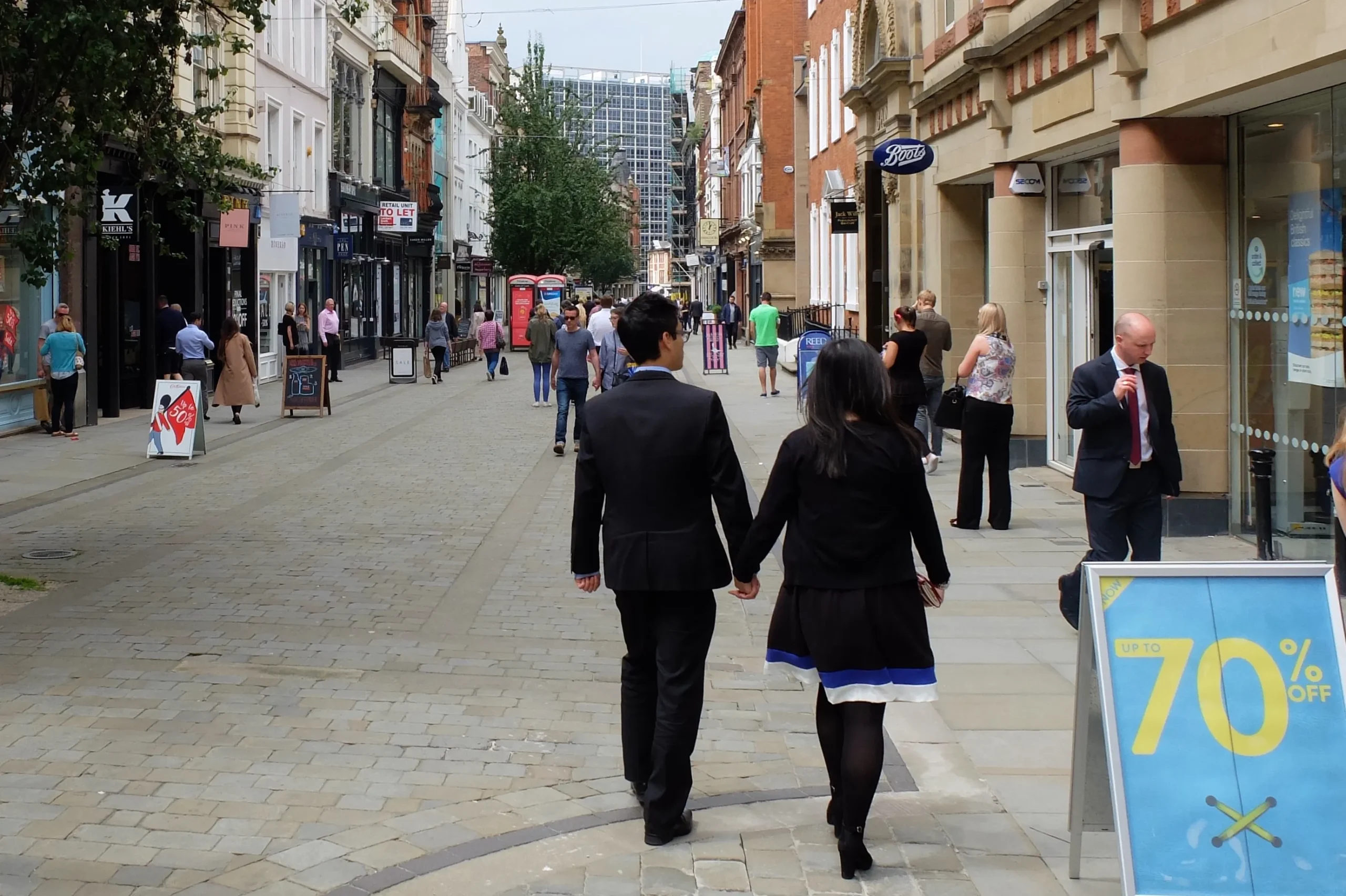
During my trip to Birmingham, I decided to dedicate one day to exploring Manchester. Early in the morning, I boarded a train and about an hour and a half later found myself in one of the most famous cities in Northern England. The railway journey was fast and comfortable, once again reminding me how well-connected the United Kingdom is by train. Manchester had been on my travel list for quite some time. Its name is associated not only with football, but also with industrial history, music, universities, and the distinctive character of northern England. My first impressions of the city were very positive. Manchester immediately feels vibrant and energetic. The streets are full of people, trams, cyclists, and students. Unlike many smaller English towns, there is a constant sense of movement and activity. Walking through the city centre, I was particularly impressed by the contrast between the historic Victorian architecture and the modern glass-and-steel developments. The red-brick civic buildings, university campuses, and former industrial warehouses serve as reminders of the era when Manchester was one of the most important industrial centres in the world.
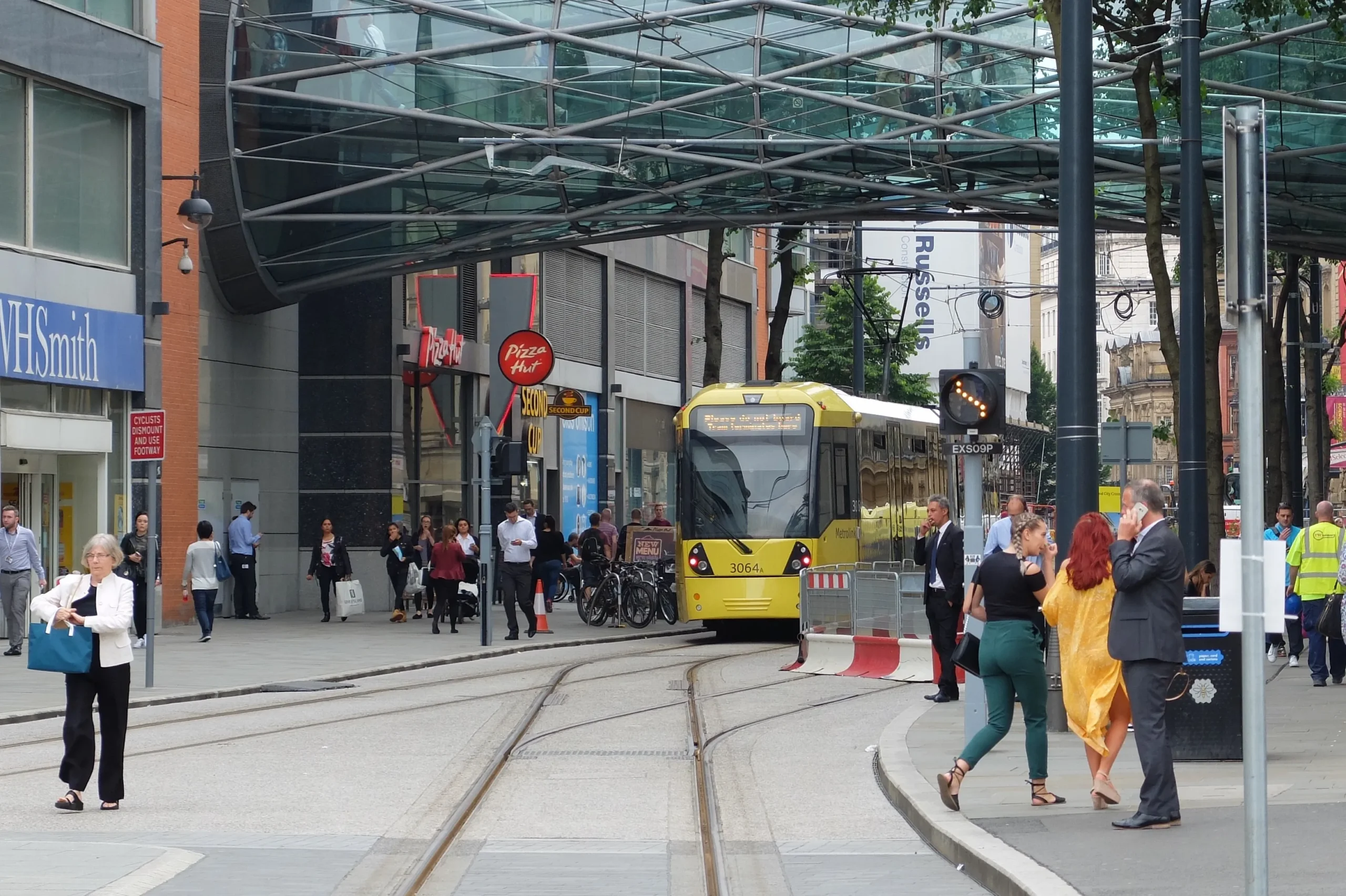
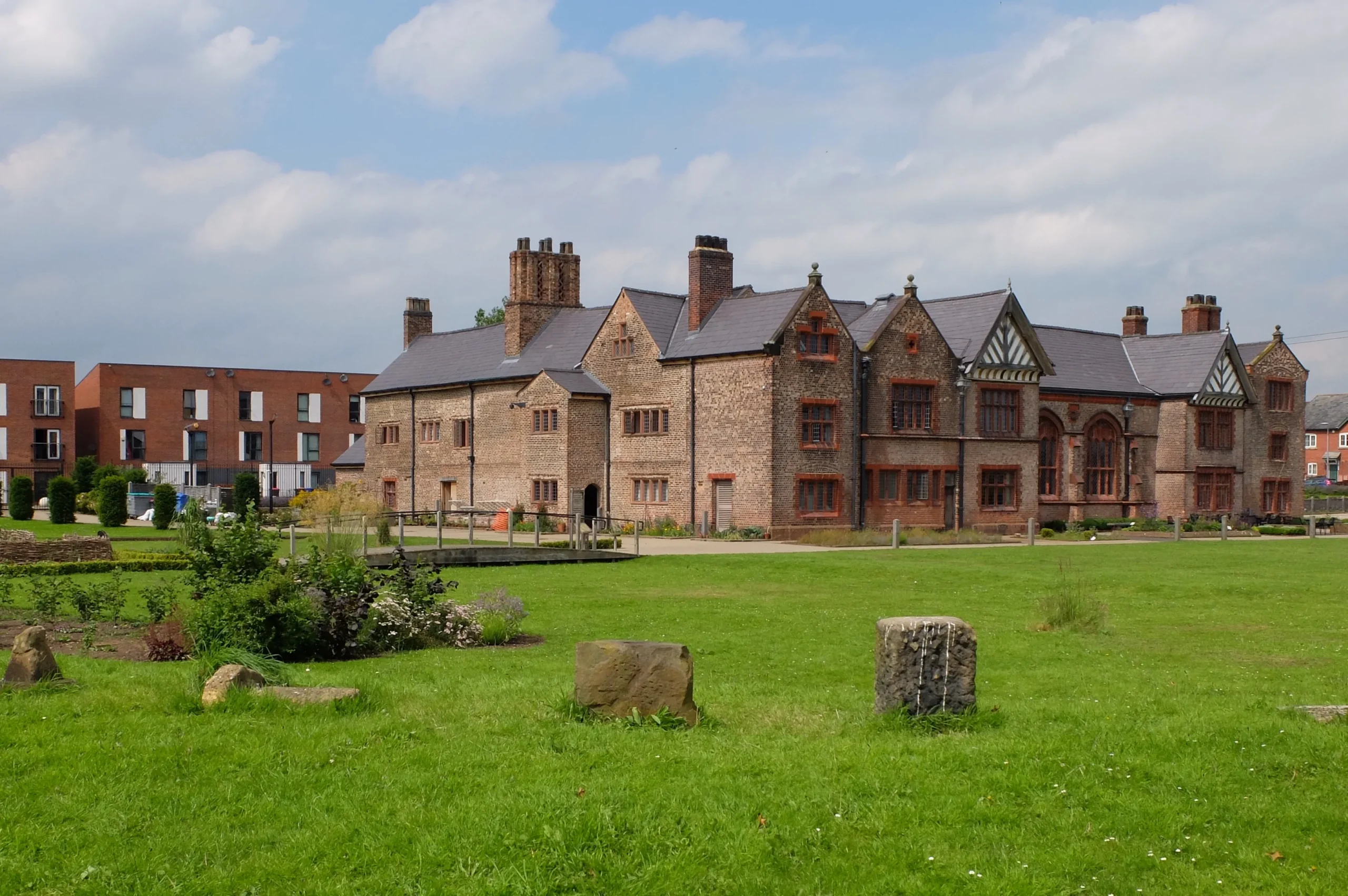
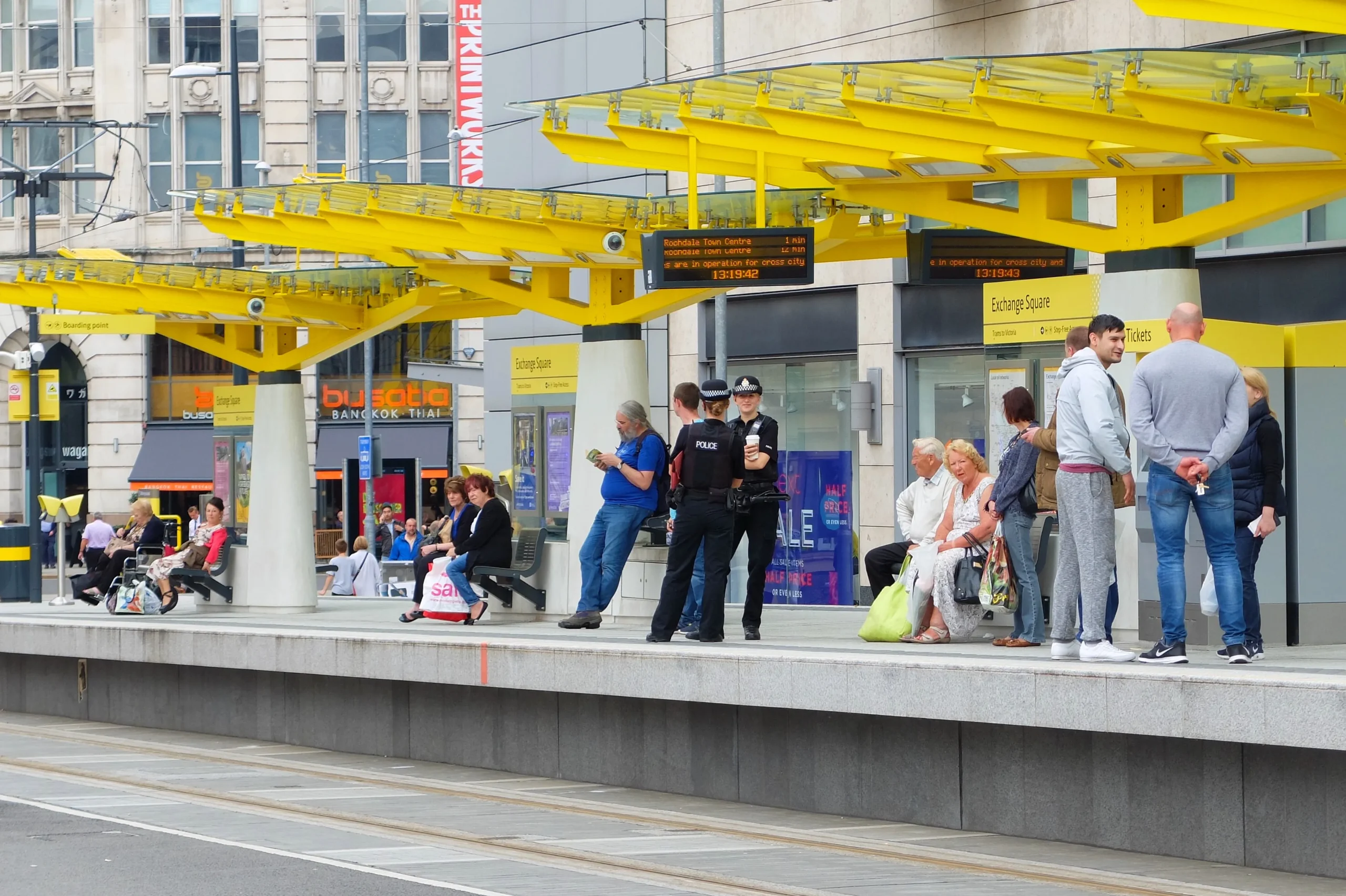
It was here, during the eighteenth and nineteenth centuries, that many of the developments associated with the Industrial Revolution took place. Manchester even earned the nickname “Cottonopolis” because of its enormous role in the textile industry. The city’s wealth was built on factories, canals, and railways, and its influence extended far beyond Britain. Even today, this heritage is visible everywhere. Many former industrial buildings have been carefully preserved and transformed into offices, apartments, restaurants, and cultural spaces. This blend of history and modernity gives Manchester a unique atmosphere. One of the things I enjoyed most was simply wandering through the city without a fixed plan and observing everyday life. Around the tram lines there is a constant flow of activity, people relax in public squares during lunch breaks, and countless languages can be heard in cafés and on the streets.
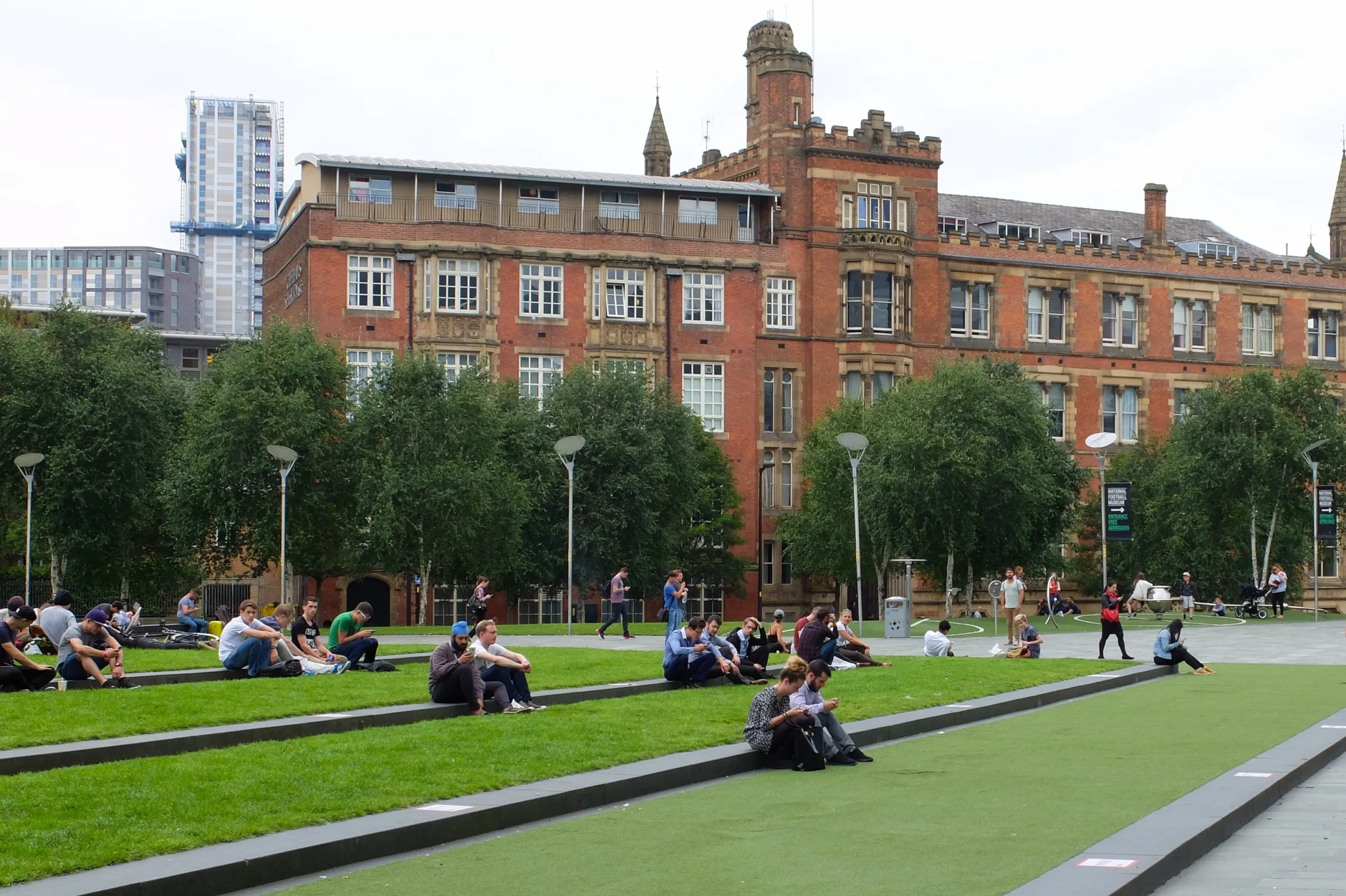
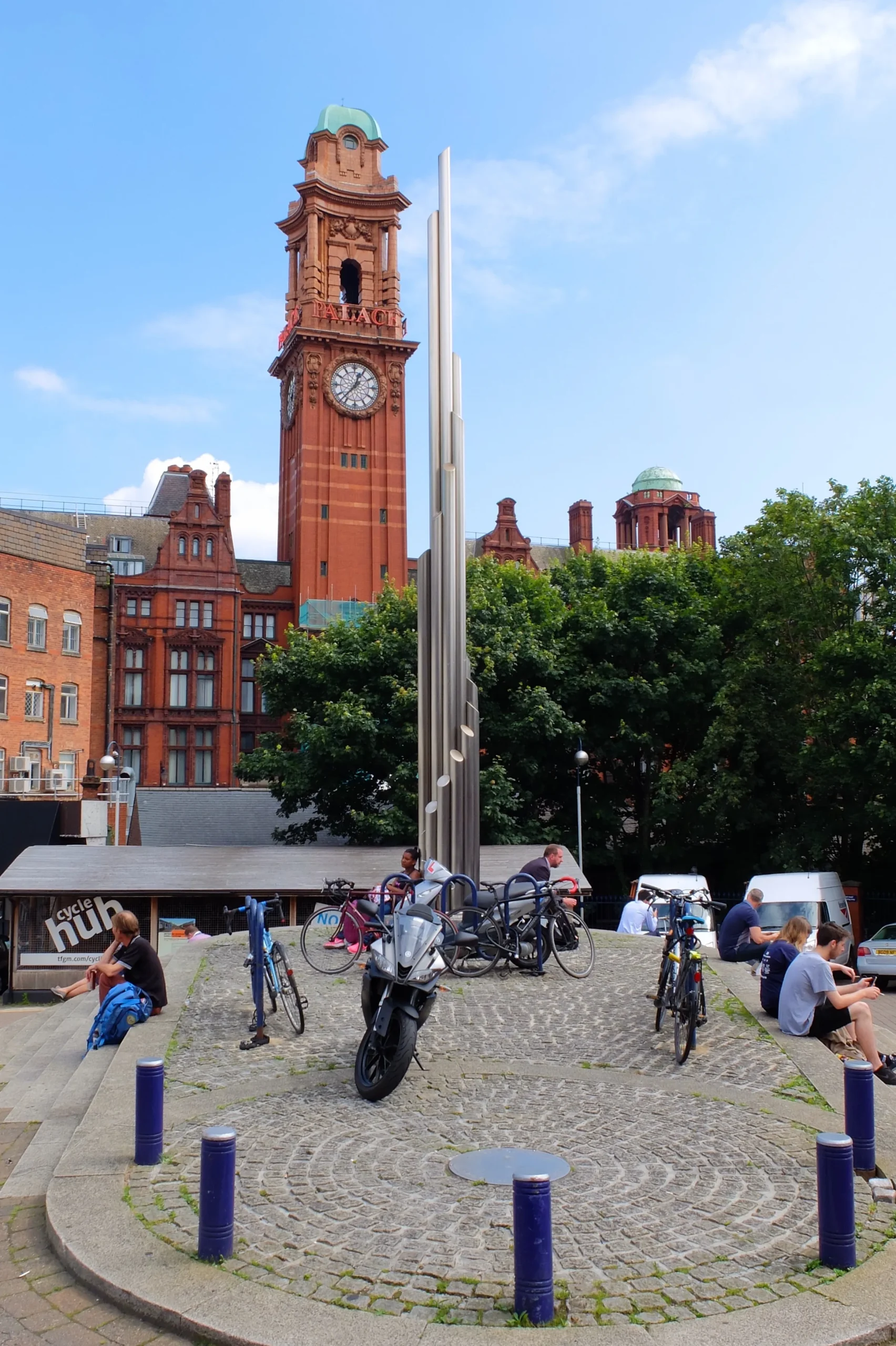
Manchester is home to more than one hundred thousand students, and its youthful energy can be felt almost everywhere. The city hosts some of the United Kingdom’s most respected universities, whose graduates include renowned scientists, writers, and political figures. This is especially noticeable around the university district, where historic academic buildings stand alongside modern research centres and libraries. Despite being a major metropolitan area, Manchester feels surprisingly comfortable and accessible. There are plenty of public spaces, green areas, and places where you can simply sit down and watch the city go by. Moments like these often provide a much deeper understanding of a destination than visiting famous landmarks alone.
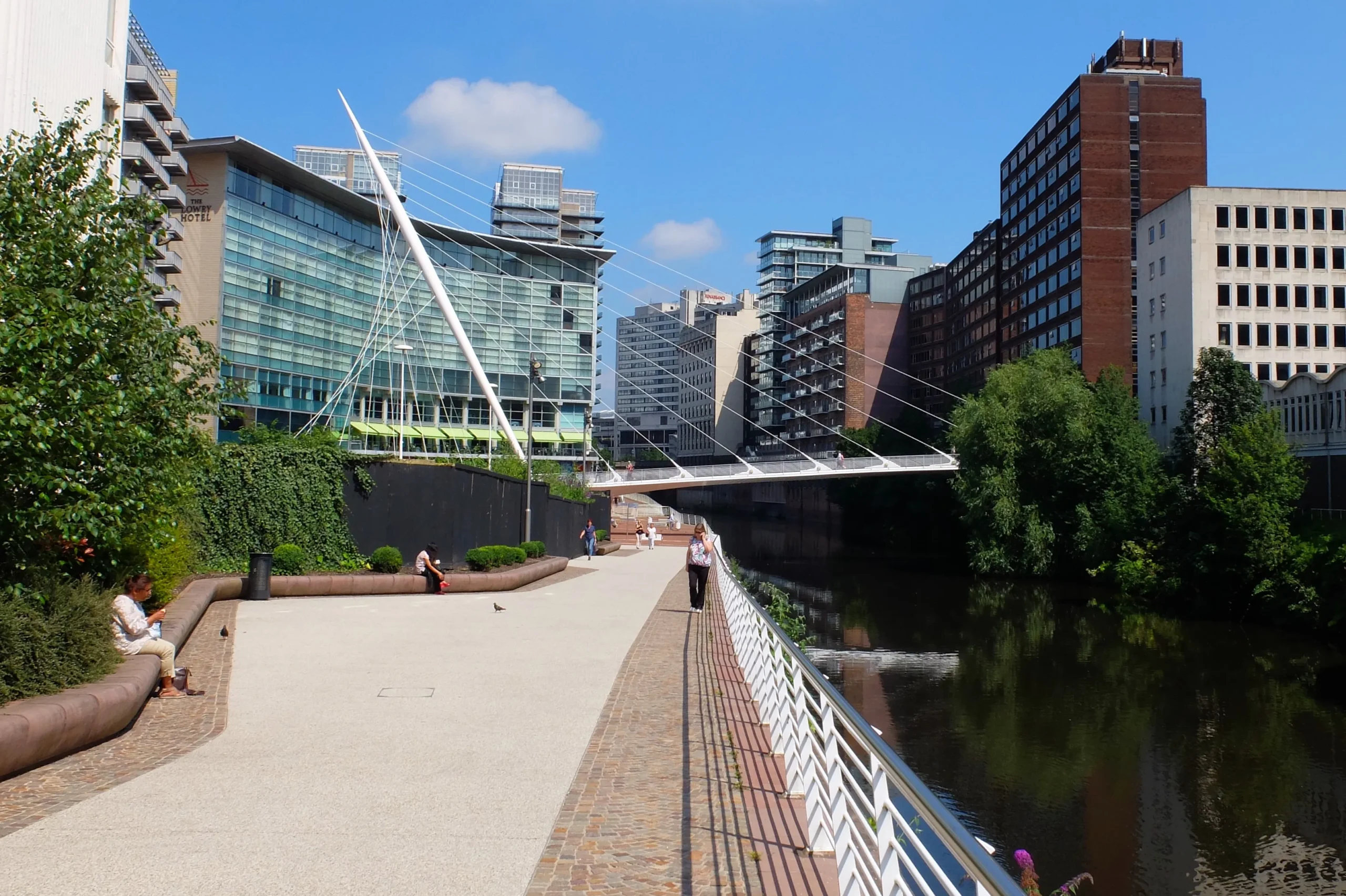
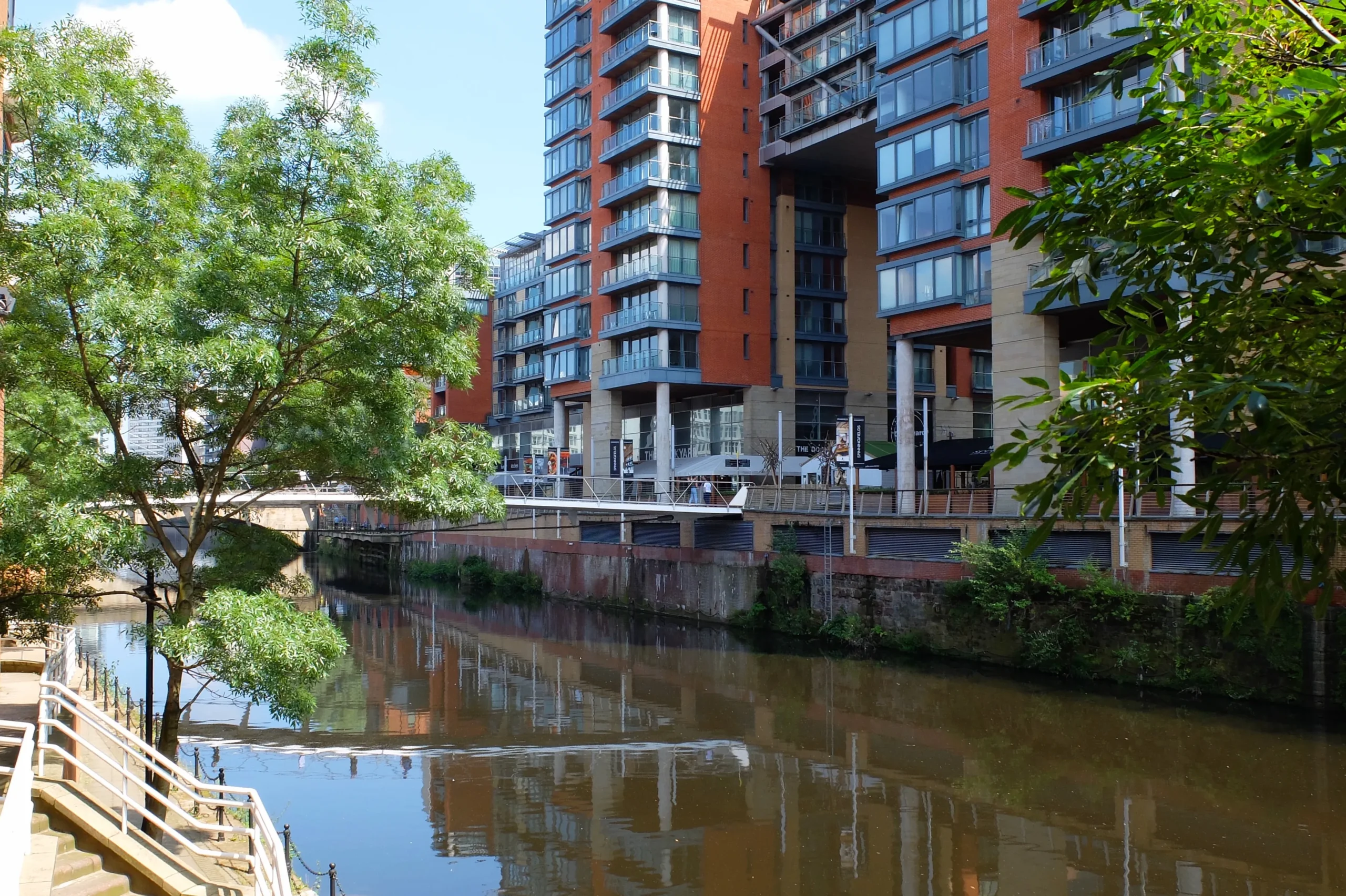
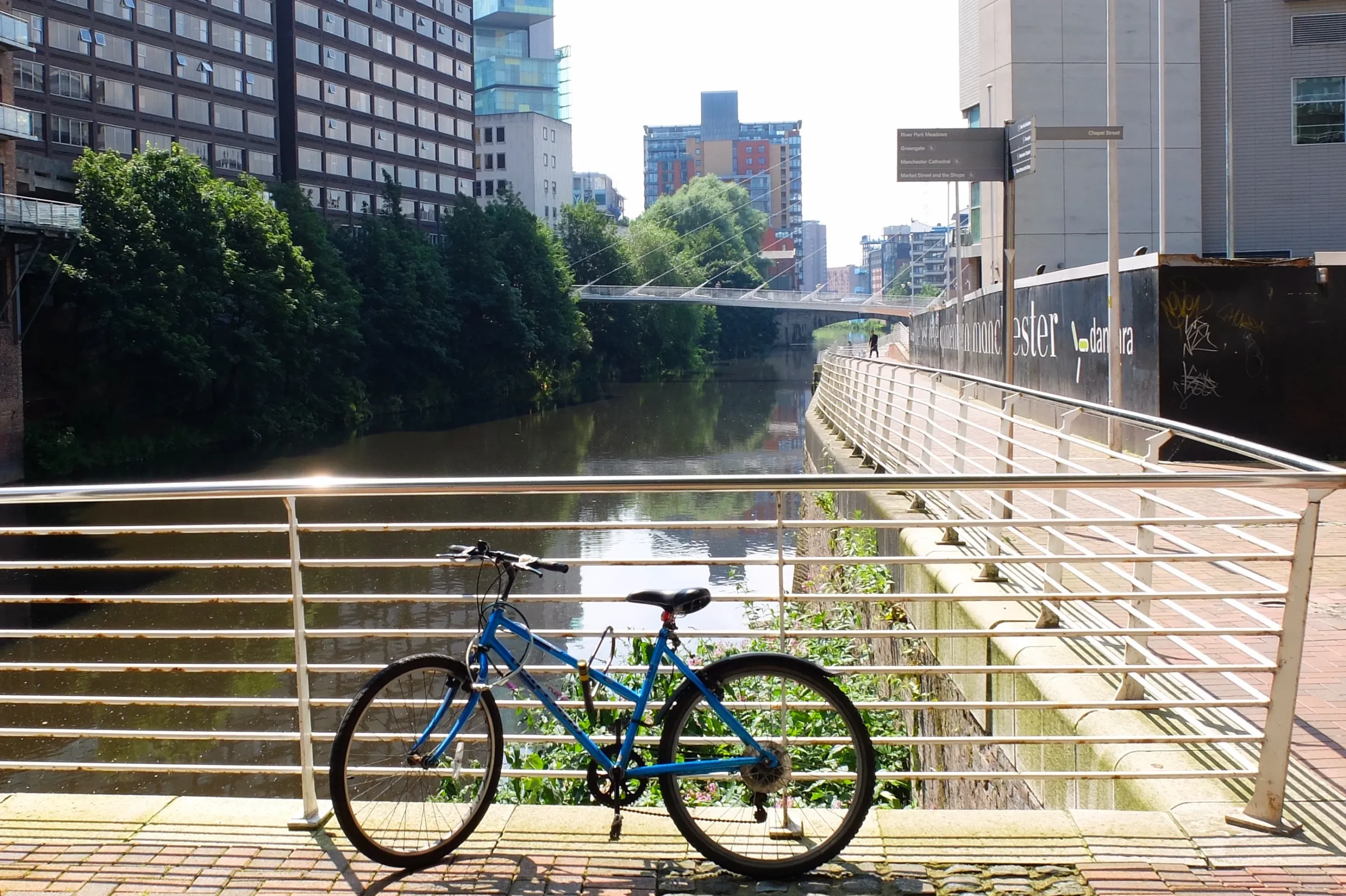
One of the most pleasant surprises of the day was discovering Manchester’s canals. Before visiting, I had no idea how extensive the city’s network of waterways was. Today, the canal sides are lined with walking paths, cafés, restaurants, and modern residential developments. The atmosphere here is noticeably calmer than in the busy city centre, making it easy to forget that you are in one of the largest cities in England. These areas reveal another side of Manchester — slightly rugged, yet welcoming and authentic. The combination of water, historic brick warehouses, modern architecture, and numerous bridges creates an urban landscape that is very different from what many people imagine when they think of Manchester.
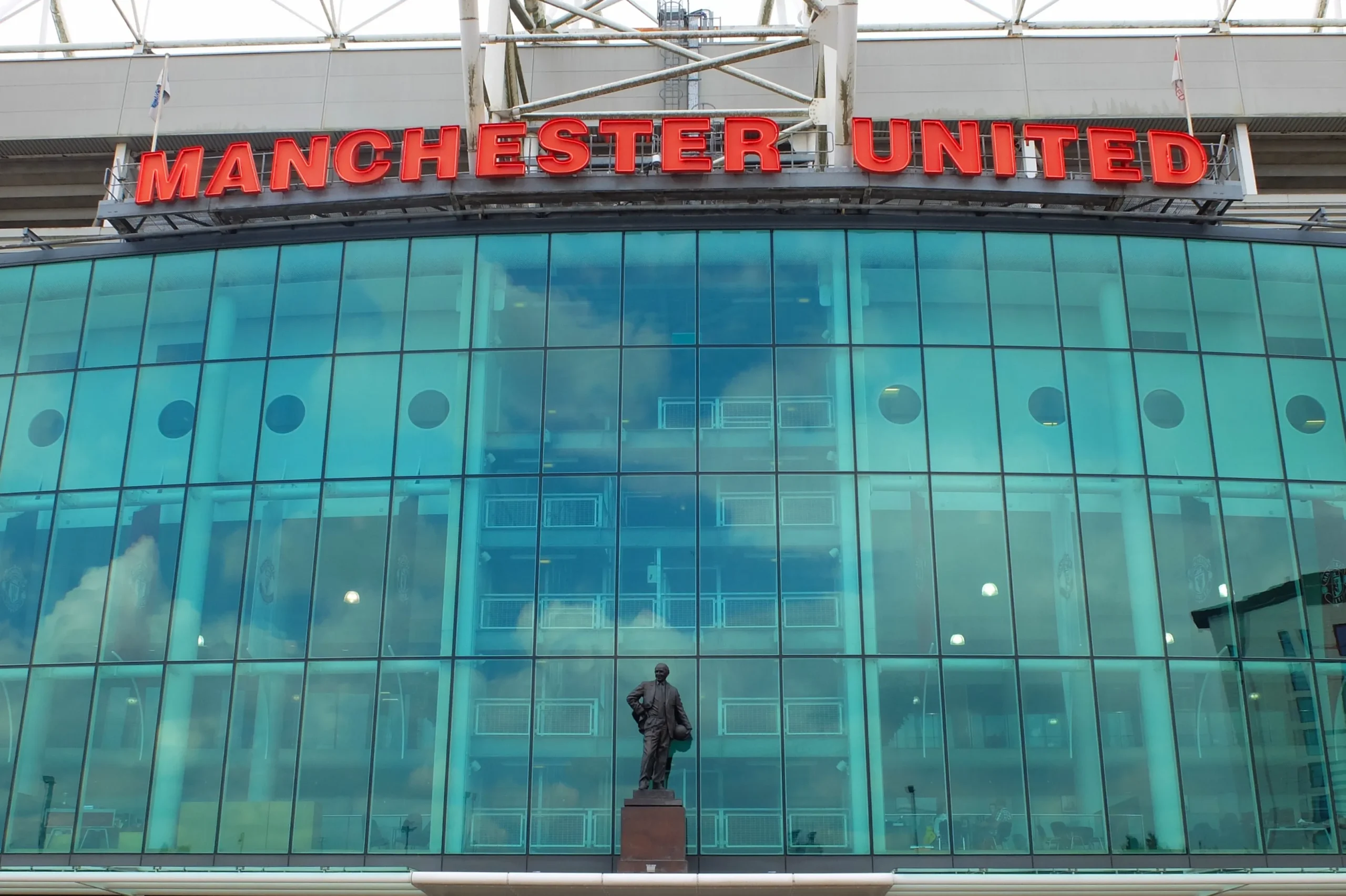
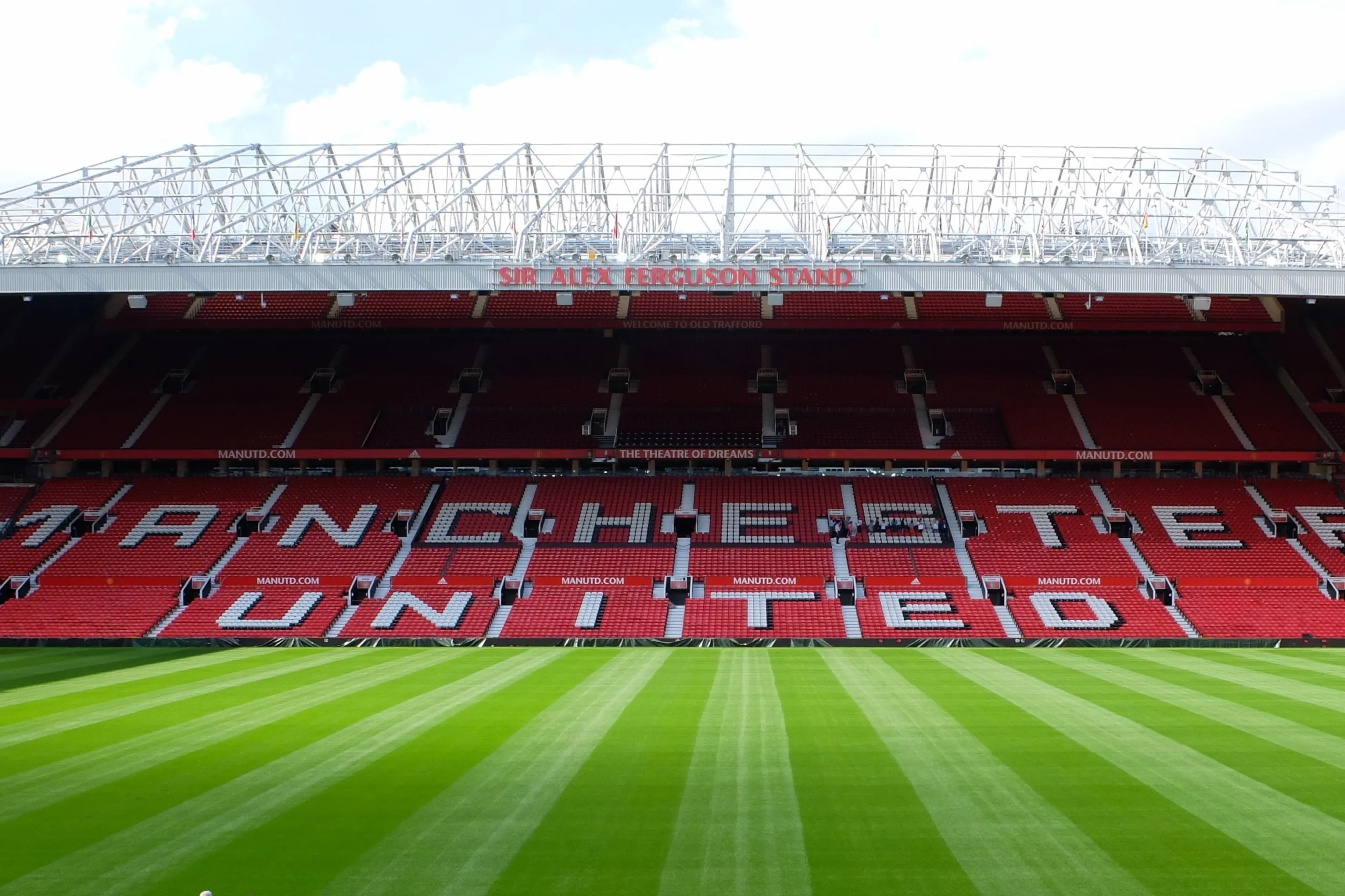
Of course, no visit to Manchester would feel complete without seeing Old Trafford, the legendary home of Manchester United. Even for those who are not passionate football fans, the stadium possesses a special atmosphere. For millions of supporters around the world, it is one of football’s most iconic venues. Standing near the stands and looking across the perfectly maintained pitch, it is easy to imagine the emotions experienced by tens of thousands of fans during major matches. By the end of the day, I felt that Manchester often lives in the shadow of London, despite deserving far more recognition in its own right. It is a city with a rich history, a strong identity, and a character all its own. There may be less tourist glamour here, but there is genuine urban life, fascinating architecture, cultural diversity, and the unmistakable spirit of northern England. My day trip from Birmingham turned out to be an excellent decision, and Manchester became one of those cities I would gladly return to in order to discover even more of its hidden stories and unique atmosphere.
⚽ ℹ️ Manchester is home to one of the most famous football clubs in the world — Manchester United. The club’s stadium, Old Trafford, is often called the “Theatre of Dreams” and has been its home since 1910. With a capacity of more than 74,000 spectators, it is the largest club football stadium in the United Kingdom. Every year, thousands of visitors come to Old Trafford not only to watch matches but also to experience a place that has witnessed some of the most memorable moments in football history.
🐝 ℹ️ One of Manchester’s symbols is the worker bee. It first appeared during the Industrial Revolution and represented the city’s hard-working spirit, with thousands of workers contributing to its success like bees in a hive. Today, bee symbols can be found throughout Manchester — on street art, buildings, souvenirs, and even manhole covers. After the 2017 Manchester Arena attack, the bee became an even stronger symbol of the city’s unity, resilience, and community spirit.
🇬🇧 Interesting Facts about Manchester
Birthplace of the Industrial Revolution: Manchester is often called the world’s first industrial city and played a key role in transforming global manufacturing and trade.
The First Modern Railway: The Liverpool–Manchester Railway, opened in 1830, is considered the world’s first inter-city passenger railway operated entirely by steam locomotives.
Home of the Computer Age: One of the world’s first stored-program computers, the Manchester Baby, successfully ran its first program here in 1948.
A City of Music: Manchester gave the world famous bands and artists including Oasis, The Smiths, Joy Division, New Order, Take That and The Stone Roses.
The Worker Bee: The bee has been a symbol of Manchester since the Victorian era and represents the city’s hardworking and resilient spirit.
More Canals than Venice?: Manchester’s canal network stretches for over 100 miles, and locals often joke that the city has more canals than Venice.
The Birthplace of Vegetarianism: The world’s first Vegetarian Society was founded near Manchester in 1847.
A Sporting Capital: Manchester is one of the few cities in the world with two globally famous football clubs — Manchester United and Manchester City.
Record-Breaking Library: The John Rylands Library looks more like a cathedral than a library and houses rare books and manuscripts from around the world.
Rainy Reputation: Manchester is famous for its rainy weather, but surprisingly receives less annual rainfall than several other major European cities.
Film and TV Location: Many movies and TV series have been filmed in Manchester because its architecture can easily double for different cities and historical periods.
Christmas Markets: Manchester hosts one of the largest and most popular Christmas markets in the United Kingdom.
A City of Innovation: Scientists at the University of Manchester were awarded the Nobel Prize for their groundbreaking work on graphene, the world’s first two-dimensional material.
The Northern Quarter: This creative district is known for its independent cafés, street art, vintage shops and vibrant cultural scene.
Gateway to Northern England: Manchester is often considered the unofficial capital of Northern England and serves as a major transport, cultural and business hub.
Під час моєї поїздки до Бірмінгема я вирішив присвятити один день знайомству з Манчестером. Вранці сів на поїзд і вже приблизно через півтори години опинився в одному з найвідоміших міст Північної Англії. Подорож залізницею виявилася швидкою та комфортною, а сама дорога дозволила ще раз переконатися, наскільки добре розвинене залізничне сполучення у Великій Британії. Манчестер давно був у моєму списку міст, які хотілося побачити на власні очі, адже його назва асоціюється не лише з футболом, а й з промисловою історією, музикою, університетами та особливим характером півночі Англії. Перші враження від міста були дуже позитивними. Манчестер одразу здається живим і енергійним. На вулицях багато людей, трамваїв, велосипедистів та студентів. Тут немає тієї стриманості, яку часто можна відчути в менших англійських містах. Навпаки, місто ніби постійно перебуває в русі. Під час прогулянки центром мене особливо вразив контраст між старою вікторіанською архітектурою та сучасними будівлями зі скла й металу. Червона цегла старих адміністративних будівель, університетських корпусів та колишніх фабрик нагадує про епоху, коли Манчестер був одним із найважливіших промислових центрів світу.
Саме тут у XVIII та XIX століттях відбувалися події, які сьогодні називають промисловою революцією. Манчестер навіть отримав прізвисько «Cottonopolis» через величезне значення текстильної промисловості. Багатство міста будувалося на фабриках, каналах та залізниці, а його вплив поширювався далеко за межі Британії. Навіть сьогодні ця спадщина добре помітна під час прогулянки. Багато старих промислових будівель були дбайливо збережені та переобладнані під офіси, житлові комплекси, ресторани чи культурні простори. Саме це поєднання історії та сучасності створює особливу атмосферу міста. Мені сподобалося просто гуляти без конкретного маршруту та спостерігати за повсякденним життям Манчестера. Біля трамвайних ліній постійно кипить рух, на площах люди відпочивають під час обідньої перерви, а в численних кав’ярнях можна почути десятки різних мов.
Манчестер є домом для понад ста тисяч студентів, тому молодіжна атмосфера тут відчувається буквально всюди. У місті розташовані одні з найвідоміших університетів Великої Британії, а серед їхніх випускників є чимало видатних науковців, письменників та політиків. Особливо це помітно в районі університетських кампусів, де історичні корпуси сусідять із сучасними науковими центрами та бібліотеками. Незважаючи на свій статус великого мегаполіса, Манчестер справляє враження досить комфортного для життя міста. Тут багато громадських просторів, зелених зон та місць, де можна просто присісти й поспостерігати за міським життям. Саме такі моменти дозволяють краще відчути атмосферу міста, ніж відвідування популярних туристичних пам’яток.
Одним із найприємніших відкриттів стали міські канали. До поїздки я не знав, що Манчестер має настільки розвинену мережу водних шляхів. Уздовж каналів сьогодні облаштовані пішохідні маршрути, кафе та сучасні житлові квартали. Тут набагато спокійніше, ніж у жвавому центрі, і можна на деякий час забути, що перебуваєш у великому мегаполісі. Саме в таких місцях найкраще відчувається характер міста — трохи суворий, але водночас дуже затишний та справжній. Вода, старі цегляні склади, сучасна забудова та численні містки створюють особливий міський пейзаж, який зовсім не схожий на те, що зазвичай уявляють собі люди, коли чують назву Манчестер.
Звичайно, окремим пунктом моєї прогулянки став Олд Траффорд — легендарний стадіон футбольного клубу «Манчестер Юнайтед». Навіть якщо не брати до уваги спортивну складову, це місце має особливу атмосферу. Для мільйонів уболівальників у всьому світі цей стадіон є справжньою футбольною святинею. Стоячи біля трибун та дивлячись на бездоганний зелений газон, легко уявити емоції десятків тисяч людей під час великих матчів. Наприкінці дня в мене склалося враження, що Манчестер часто залишається в тіні Лондона, хоча абсолютно цього не заслуговує. Це місто з багатою історією, сильним характером і власною душею. Тут немає надмірного туристичного блиску, але є справжнє життя, цікава архітектура, культурне різноманіття та особлива атмосфера північної Англії. Поїздка з Бірмінгема виявилася чудовою ідеєю, а Манчестер став одним із тих міст, куди хотілося б повернутися ще раз і відкрити для себе його нові сторони.
⚽ ℹ️ Манчестер є домівкою для одного з найвідоміших футбольних клубів світу — «Манчестер Юнайтед». Його стадіон Олд Траффорд часто називають «Театром мрій», а своєю домашньою ареною клуб користується ще з 1910 року. Вміщуючи понад 74 000 глядачів, Олд Траффорд є найбільшим клубним футбольним стадіоном Великої Британії. Щороку тисячі відвідувачів приїжджають сюди не лише заради матчів, а й для того, щоб побачити місце, де творилася історія світового футболу.
🐝 ℹ️ Одним із символів Манчестера є робоча бджола. Вона з’явилася ще в часи Промислової революції та символізувала працьовитий дух міста, де тисячі робітників, немов бджоли у вулику, сприяли його розвитку та процвітанню. Сьогодні зображення бджоли можна побачити по всьому Манчестеру — на муралах, будівлях, сувенірах і навіть на кришках каналізаційних люків. Після трагічного теракту на «Манчестер Арені» у 2017 році бджола стала ще й символом єдності, стійкості та взаємної підтримки мешканців міста.
🇬🇧 Цікаві факти про Манчестер
Батьківщина Промислової революції: Манчестер часто називають першим промисловим містом світу. Саме тут почалися зміни, які докорінно вплинули на виробництво, транспорт і торгівлю в усьому світі.
Перша сучасна залізниця: Залізнична лінія Ліверпуль—Манчестер, відкрита у 1830 році, вважається першою у світі міжміською пасажирською залізницею, що повністю обслуговувалася паровозами.
Колиска комп’ютерної епохи: У 1948 році в Манчестері комп’ютер Manchester Baby успішно виконав першу програму, що зберігалася в пам’яті, ставши одним із прабатьків сучасних комп’ютерів.
Місто музики: Саме Манчестер подарував світові такі відомі гурти та виконавців, як Oasis, The Smiths, Joy Division, New Order, Take That та The Stone Roses.
Бджола як символ міста: Робоча бджола є символом Манчестера ще з вікторіанських часів і уособлює працьовитість, наполегливість та згуртованість його мешканців.
Більше каналів, ніж у Венеції?: Загальна довжина каналів у Манчестері перевищує 160 кілометрів. Місцеві жартують, що каналів тут навіть більше, ніж у Венеції.
Батьківщина вегетаріанського руху: Перше у світі Вегетаріанське товариство було засноване неподалік Манчестера у 1847 році.
Столиця футболу: Манчестер є одним із небагатьох міст світу, де базуються одразу два футбольні клуби світового рівня — «Манчестер Юнайтед» та «Манчестер Сіті».
Бібліотека як собор: Бібліотека Джона Райлендса настільки вражаюча своєю готичною архітектурою, що багато відвідувачів спершу приймають її за кафедральний собор.
Репутація дощового міста: Манчестер відомий своїм дощовим кліматом, хоча насправді річна кількість опадів тут менша, ніж у деяких інших великих містах Європи.
Популярне місце для зйомок: Завдяки різноманітній архітектурі Манчестер часто використовується як локація для фільмів і телесеріалів, де він може «грати роль» зовсім інших міст.
Різдвяні ярмарки: Щороку Манчестер приймає один із найбільших і найвідоміших різдвяних ярмарків у Великій Британії.
Місто інновацій: Вчені Манчестерського університету отримали Нобелівську премію за відкриття графену — надзвичайно тонкого й міцного матеріалу, який вважають одним із найперспективніших матеріалів майбутнього.
Північний квартал: Northern Quarter є творчим серцем міста, відомим своїми незалежними кав’ярнями, вуличним мистецтвом, вінтажними магазинами та культурними подіями.
Неофіційна столиця Півночі Англії: Манчестер часто називають неофіційною столицею Північної Англії завдяки його економічному, культурному та транспортному значенню.
Während meiner Reise nach Birmingham beschloss ich, einen Tag für einen Ausflug nach Manchester einzuplanen. Am frühen Morgen stieg ich in den Zug und erreichte nach etwa anderthalb Stunden eine der bekanntesten Städte Nordenglands. Die Bahnfahrt war schnell und angenehm und zeigte einmal mehr, wie gut das Eisenbahnnetz im Vereinigten Königreich ausgebaut ist. Manchester stand schon lange auf meiner Liste der Orte, die ich unbedingt einmal besuchen wollte. Der Name der Stadt wird nicht nur mit Fussball verbunden, sondern auch mit Industriegeschichte, Musik, Universitäten und dem besonderen Charakter Nordenglands. Mein erster Eindruck war durchweg positiv. Manchester wirkt lebendig, dynamisch und voller Energie. Auf den Strassen begegnet man Studenten, Radfahrern, Pendlern und Touristen. Anders als in vielen kleineren englischen Städten scheint hier ständig etwas in Bewegung zu sein. Besonders beeindruckt hat mich der Kontrast zwischen den historischen viktorianischen Backsteingebäuden und den modernen Glas- und Stahlkonstruktionen. Die roten Backsteinfassaden ehemaliger Fabriken, Verwaltungsgebäude und Universitätsgebäude erinnern an die Zeit, als Manchester zu den wichtigsten Industriestädten der Welt gehörte.
Gerade hier entwickelten sich im 18. und 19. Jahrhundert viele Prozesse, die wir heute als Industrielle Revolution bezeichnen. Manchester erhielt sogar den Beinamen „Cottonopolis“, weil die Textilindustrie eine entscheidende Rolle für den Wohlstand der Stadt spielte. Fabriken, Kanäle und Eisenbahnen machten Manchester zu einem wirtschaftlichen Zentrum mit Einfluss weit über die Grenzen Großbritanniens hinaus. Noch heute ist dieses Erbe überall sichtbar. Zahlreiche ehemalige Industriegebäude wurden sorgfältig erhalten und in Büros, Wohnungen, Restaurants oder kulturelle Einrichtungen umgewandelt. Diese Verbindung von Geschichte und Moderne verleiht der Stadt ihren ganz eigenen Charakter. Besonders gefallen hat mir, einfach ohne festes Ziel durch die Strassen zu spazieren und das alltägliche Leben zu beobachten. Entlang der Straßenbahnlinien herrscht reger Betrieb, auf den Plätzen verbringen Menschen ihre Mittagspause, und in den Cafés hört man die unterschiedlichsten Sprachen.
Manchester ist die Heimat von mehr als hunderttausend Studierenden, und diese junge Atmosphäre ist in der gesamten Stadt spürbar. Hier befinden sich einige der renommiertesten Universitäten Großbritanniens, deren Absolventen zu bedeutenden Wissenschaftlern, Schriftstellern und Politikern geworden sind. Besonders rund um die Universitätsviertel trifft historische Architektur auf moderne Forschungszentren und Bibliotheken. Trotz seiner Grösse wirkt Manchester überraschend angenehm und lebenswert. Es gibt zahlreiche öffentliche Plätze, Grünanlagen und Orte, an denen man einfach sitzen und das Stadtleben beobachten kann. Solche Momente vermitteln oft mehr über den Charakter einer Stadt als die bekanntesten Sehenswürdigkeiten.
Eine der schönsten Entdeckungen des Tages waren die Kanäle der Stadt. Vor meiner Reise wusste ich nicht, wie umfangreich das Netz an Wasserwegen in Manchester ist. Heute laden die Ufer zu Spaziergängen ein, gesäumt von Cafés, Restaurants und modernen Wohngebäuden. Hier geht es deutlich ruhiger zu als im geschäftigen Zentrum, sodass man zeitweise fast vergisst, sich in einer Millionenstadt zu befinden. Gerade an diesen Orten zeigt sich eine andere Seite Manchesters – etwas rau, aber gleichzeitig authentisch und sympathisch. Das Zusammenspiel von Wasser, historischen Lagerhäusern aus rotem Backstein, moderner Architektur und zahlreichen Brücken schafft eine urbane Landschaft, die sich deutlich von den üblichen Vorstellungen über Manchester unterscheidet.
Natürlich durfte auch ein Besuch von Old Trafford nicht fehlen – dem legendären Stadion von Manchester United. Selbst für Menschen, die keine großen Fußballfans sind, besitzt dieser Ort eine besondere Ausstrahlung. Für Millionen von Anhängern weltweit gehört Old Trafford zu den bekanntesten Fußballstadien überhaupt. Wenn man auf den perfekt gepflegten Rasen blickt, kann man sich leicht die Emotionen vorstellen, die hier bei großen Spielen entstehen. Am Ende des Tages hatte ich das Gefühl, dass Manchester oft im Schatten Londons steht, obwohl die Stadt viel mehr Aufmerksamkeit verdient. Sie besitzt eine faszinierende Geschichte, einen starken eigenen Charakter und eine unverwechselbare Identität. Vielleicht gibt es hier weniger touristischen Glanz, dafür aber echtes Stadtleben, spannende Architektur, kulturelle Vielfalt und den unverwechselbaren Geist Nordenglands. Der Tagesausflug von Birmingham nach Manchester war eine ausgezeichnete Entscheidung, und Manchester gehört nun zu den Städten, die ich gerne noch einmal besuchen würde, um weitere Facetten kennenzulernen.
⚽ ℹ️ Manchester ist die Heimat eines der bekanntesten Fußballvereine der Welt – Manchester United. Das Stadion des Clubs, Old Trafford, wird oft als „Theatre of Dreams“ (Theater der Träume) bezeichnet und dient dem Verein bereits seit 1910 als Heimstätte. Mit einer Kapazität von mehr als 74.000 Zuschauern ist Old Trafford das grösste Vereinsfußballstadion im Vereinigten Königreich. Jedes Jahr besuchen Tausende von Menschen das Stadion nicht nur, um Spiele zu sehen, sondern auch, um einen Ort zu erleben, an dem einige der denkwürdigsten Momente der Fußballgeschichte stattgefunden haben.
🐝 ℹ️ Eines der Symbole Manchesters ist die Arbeiterbiene. Sie entstand während der Industriellen Revolution und symbolisierte den Fleiß und die Arbeitsmoral der Stadt, deren Erfolg auf den Leistungen Tausender Arbeiter beruhte – ähnlich wie in einem Bienenstock. Heute findet man das Symbol der Biene überall in Manchester: auf Strassenkunst, Gebäuden, Souvenirs und sogar auf Kanaldeckeln. Nach den Ereignissen in der Manchester Arena im Jahr 2017 wurde die Biene zusätzlich zu einem Symbol für Zusammenhalt, Widerstandskraft und den starken Gemeinschaftsgeist der Einwohner.
🇩🇪 Interessante Fakten über Manchester
Geburtsort der Industriellen Revolution: Manchester wird oft als die erste Industriestadt der Welt bezeichnet. Von hier aus gingen Entwicklungen aus, die Produktion, Handel und Verkehr weltweit nachhaltig veränderten.
Die erste moderne Eisenbahn: Die 1830 eröffnete Strecke Liverpool–Manchester gilt als die erste zwischen Städten verkehrende Eisenbahn der Welt, die vollständig von Dampflokomotiven betrieben wurde.
Wiege des Computerzeitalters: Im Jahr 1948 führte der Computer „Manchester Baby“ erfolgreich eines der ersten Programme aus, das im Speicher abgelegt war – ein wichtiger Meilenstein auf dem Weg zu modernen Computern.
Stadt der Musik: Manchester brachte zahlreiche weltbekannte Bands und Künstler hervor, darunter Oasis, The Smiths, Joy Division, New Order, Take That und The Stone Roses.
Die Arbeiterbiene: Die Biene ist seit der viktorianischen Zeit ein Symbol Manchesters und steht für Fleiß, Zusammenhalt und den Unternehmergeist der Stadt.
Mehr Kanäle als Venedig?: Das Kanalnetz von Manchester umfasst über 160 Kilometer Wasserwege. Die Einwohner scherzen gerne, dass ihre Stadt mehr Kanäle habe als Venedig.
Geburtsort der vegetarischen Bewegung: Die weltweit erste Vegetarische Gesellschaft wurde 1847 in der Nähe von Manchester gegründet.
Hauptstadt des Fußballs: Manchester gehört zu den wenigen Städten weltweit, die gleich zwei international berühmte Fußballvereine beheimaten – Manchester United und Manchester City.
Eine Bibliothek wie eine Kathedrale: Die John Rylands Library beeindruckt mit ihrer neugotischen Architektur so sehr, dass viele Besucher sie zunächst für eine Kirche oder Kathedrale halten.
Der Ruf einer Regenstadt: Manchester ist für sein regnerisches Wetter bekannt, erhält jedoch tatsächlich weniger Niederschlag pro Jahr als einige andere große europäische Städte.
Beliebte Filmkulisse: Dank seiner vielseitigen Architektur dient Manchester häufig als Drehort für Filme und Fernsehserien und übernimmt dabei oft die Rolle anderer Städte.
Weihnachtsmärkte: Jedes Jahr findet in Manchester einer der größten und beliebtesten Weihnachtsmärkte Großbritanniens statt.
Stadt der Innovationen: Wissenschaftler der University of Manchester erhielten den Nobelpreis für ihre bahnbrechende Forschung zu Graphen – einem der vielversprechendsten Materialien der Zukunft.
Das Northern Quarter: Dieses kreative Viertel ist bekannt für seine unabhängigen Cafés, Street-Art, Vintage-Läden und seine lebendige Kulturszene.
Die inoffizielle Hauptstadt Nordenglands: Aufgrund seiner wirtschaftlichen, kulturellen und verkehrstechnischen Bedeutung wird Manchester oft als die inoffizielle Hauptstadt Nordenglands bezeichnet.
One of the most popular places in Manchester is St Peter’s Square, located right in the heart of the city. The square takes its name from St Peter’s Church, which once stood nearby. Today, it serves as an important public space surrounded by historic buildings, modern architecture, and one of the city’s busiest tram interchanges. It is a lively meeting point for both locals and visitors exploring Manchester.
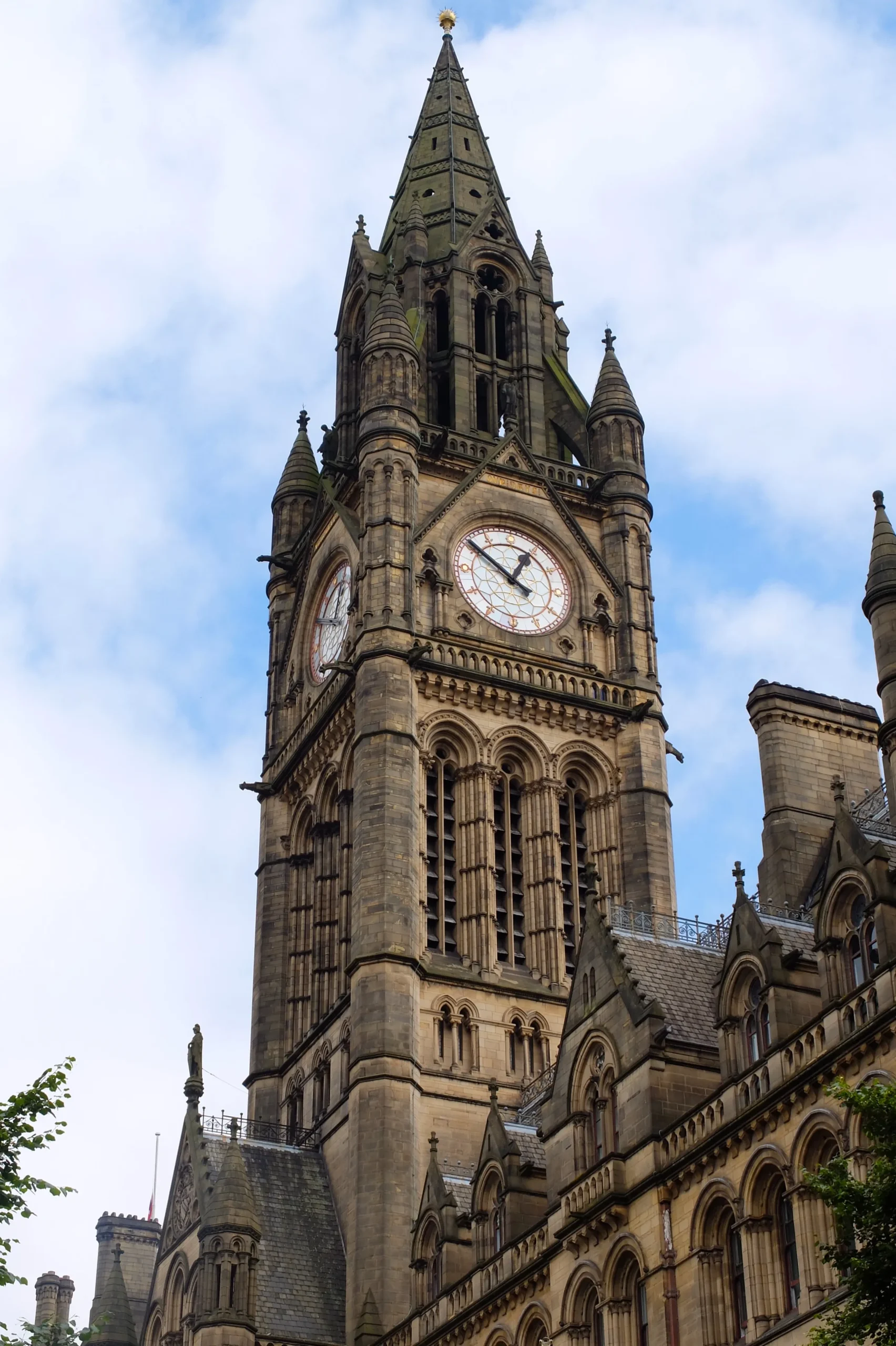
Albert Square is a historic public square located in the heart of Manchester, England. It serves as a focal point for civic events, public gatherings, and celebrations, while also being a popular meeting place for both locals and visitors. Surrounded by impressive Victorian architecture, including the iconic Manchester Town Hall, the square remains one of the city's most recognizable landmarks and an important part of its cultural and social life.
A lovely little coffee shop with an incredibly cozy atmosphere and absolutely amazing pastries. The perfect place to take a break and enjoy a coffee while exploring the city.
Explore More Around
Discover scenic trails and routes shared by travelers near
this place.
 ©Every Mile Story
 ©Every Mile Story
 ©Every Mile Story
 ©Every Mile Story
 ©Every Mile Story
 ©Every Mile Story
 ©Every Mile Story
 ©Every Mile Story
 ©Every Mile Story
 ©Every Mile Story
 ©Every Mile Story
 ©Every Mile Story
 ©Every Mile Story
 ©Every Mile Story
 ©Every Mile Story